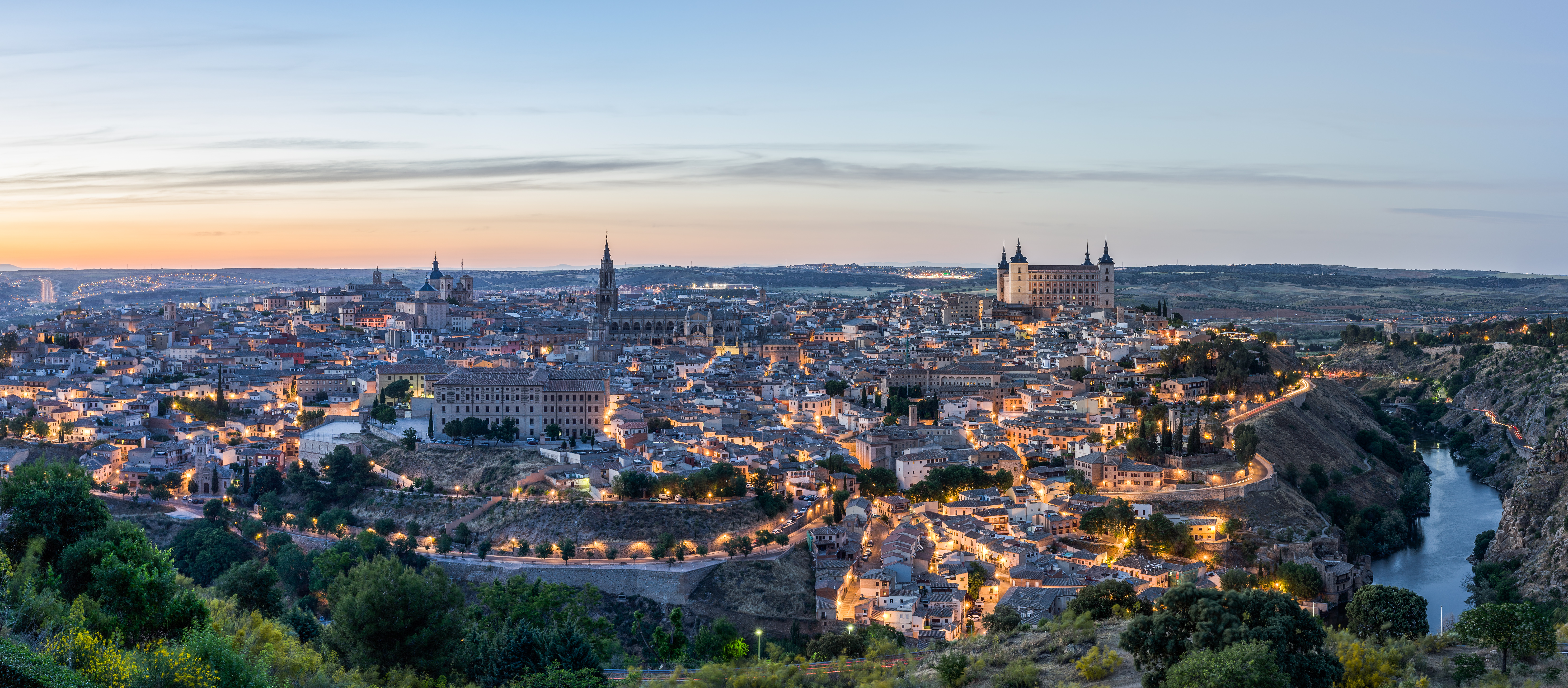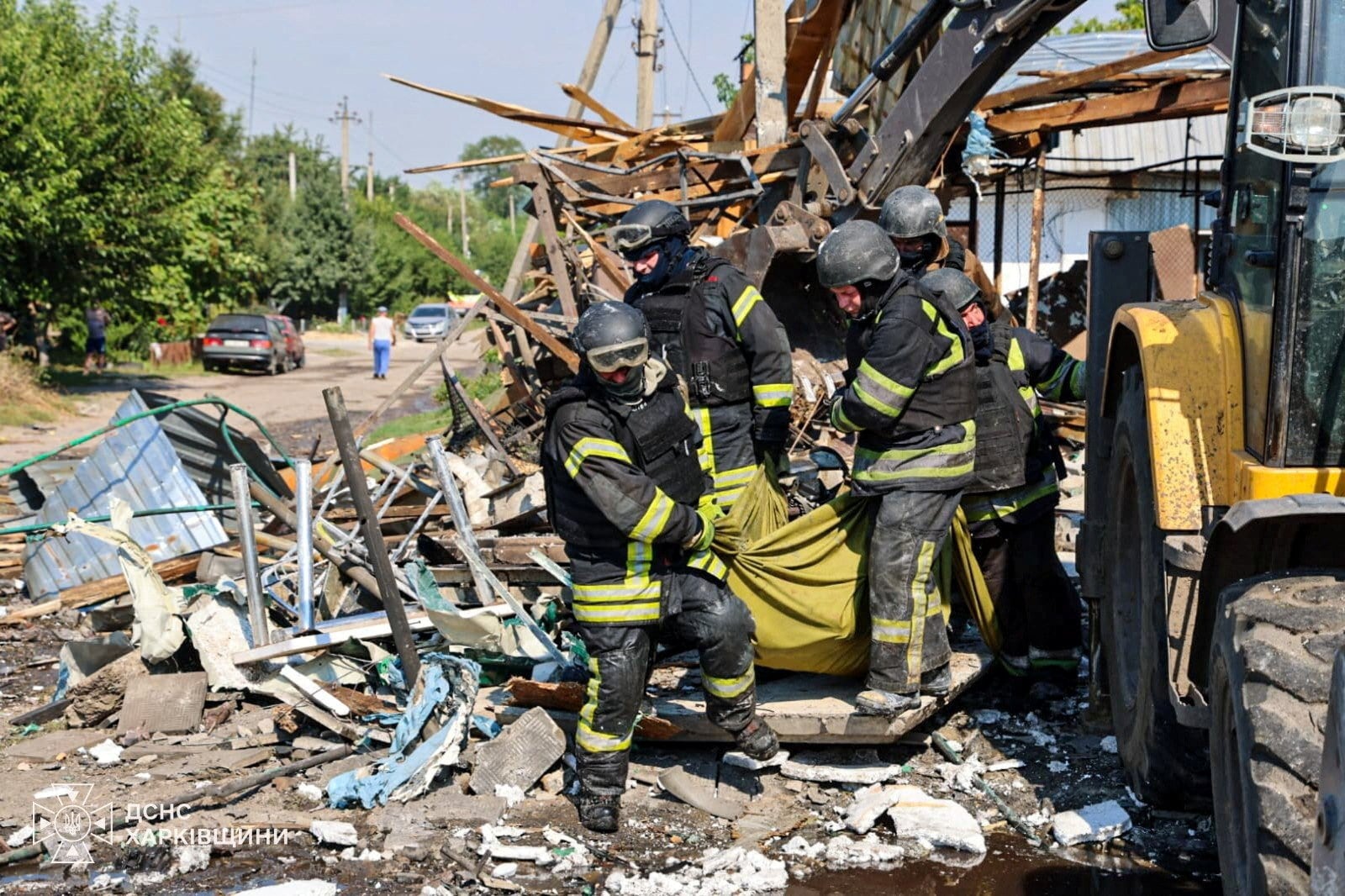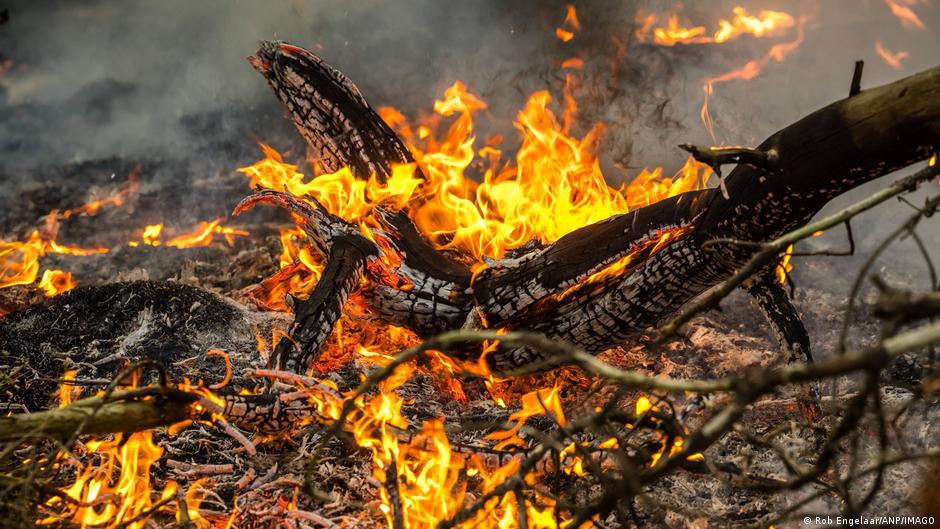
Heat waves swept across vast swathes of Europe during the summer, causing significant material losses and deaths, in the fifth heat wave recorded in the current season. Experts warn that the risk of these fires increases due to climate change generated by human activities, which has intensified droughts and other extreme weather phenomena.
The number of European companies reporting the impact of extreme weather conditions on their operations has increased notably. Severe heat waves have increased demand for some products whilst simultaneously disrupting other business activities. Manufacturers reported increases in demand not only for swimming pools, air conditioners and sunscreen, but also for groundwater pumps and electrical generators.
According to the Financial Times, the chief financial officer of French group Groupe SEB, a leader in home appliance manufacturing, indicated that the company sold 30 per cent more fans in Europe during June compared with the same period the previous year. The chief executive of German company Beiersdorf, specialised in skin care products, told the newspaper that June recorded the highest sales volume in the company's history for sun protection products. Officials at Bayer Refrigeration, the Swedish company specialising in refrigeration and air conditioning systems, explained that the biggest increase in demand comes from Central European markets, the United Kingdom and France.
Several companies reported having implemented or anticipating changes in their operations to adapt to warmer summers, either through the development of new products or the adoption of new working methods, in explicit recognition of the reality of climate change. The unprecedented heat waves and drought, linked by scientists to climate change, have created ideal conditions for forest fires across Europe this summer, particularly in France, Spain and Greece. The Balkans faced several severe heat waves, whilst the European Union's Copernicus Climate Change Programme warned of "extremely severe" conditions across wide areas of Central and Eastern Europe, with additional hotspots in southern Britain, Ireland, northern France and southern Sweden, according to its projections for the week ending 19 August.
The warm and dry summer inflicts serious damage on agriculture. Analysts consulted by Reuters indicated that extreme heat and continued drought could halve the French maize harvest this year and reduce European Union production to the lowest levels in decades. According to the Financial Times, most European companies differ in their opinions regarding whether the extreme heat conditions experienced by the continent this summer represent the start of a "new normal" or whether they are simply a temporary exceptional event.
The president of KSB, the German pump manufacturer, spoke of an "explosion" in orders from farmers who needed to extract groundwater from greater depths during the drought period. Stefan Timmerman recently told analysts that "I fear that this warm summer will not be an exceptional one-off event... but rather possibly represents the start of a new era". Benoit Bazin, president of Saint-Gobain, a construction materials manufacturer, said that "adaptation to climate has become an urgent necessity", referring to the widespread disruptions experienced by schools and universities in France during last month's heat wave. Catherine MacGregor, chief executive of Engie, the French utilities company, said that 2026 represents "a tipping point where the climate becomes less predictable and more extreme".