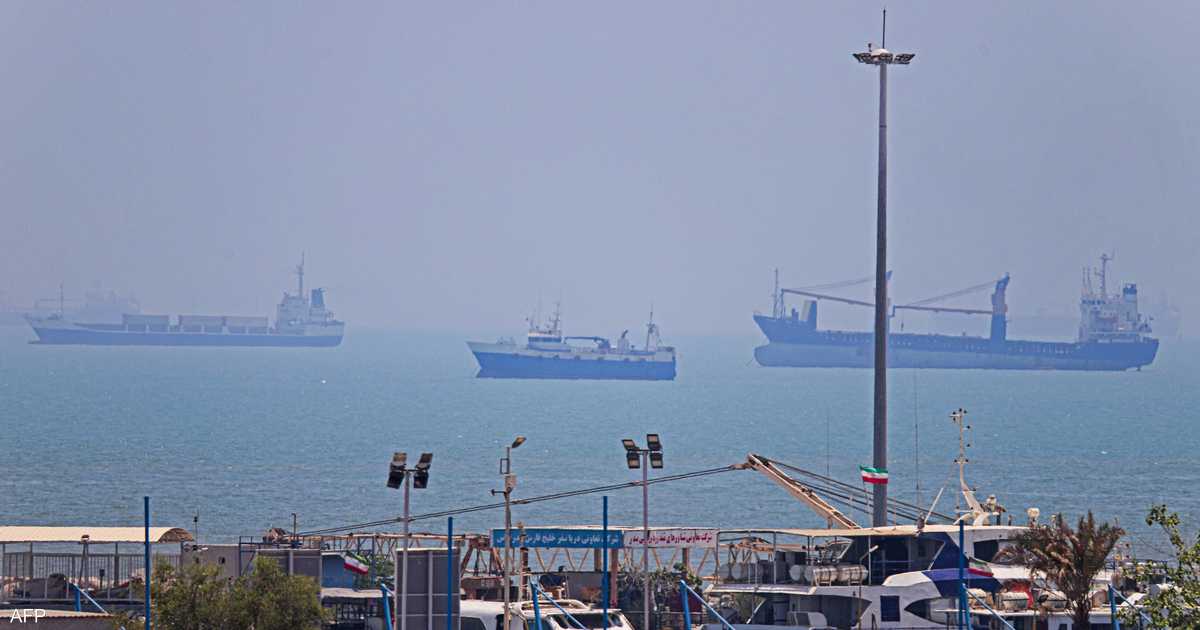
Iran's parliamentary spokesman Galibaff stated before the legislative chamber that Iran would keep the Strait of Hormuz closed until the United States lifts the embargo on Iranian ports, withdraws sanctions on the oil sector, releases Tehran's frozen assets and ceases threats and military operations on all fronts, according to statements published on Tuesday by official media outlets.
A memorandum of understanding reached on 17 June collapsed rapidly due to a dispute over control of the Strait of Hormuz, the narrow maritime passage through which approximately one-fifth of global supplies of oil and liquefied natural gas transited before the war.
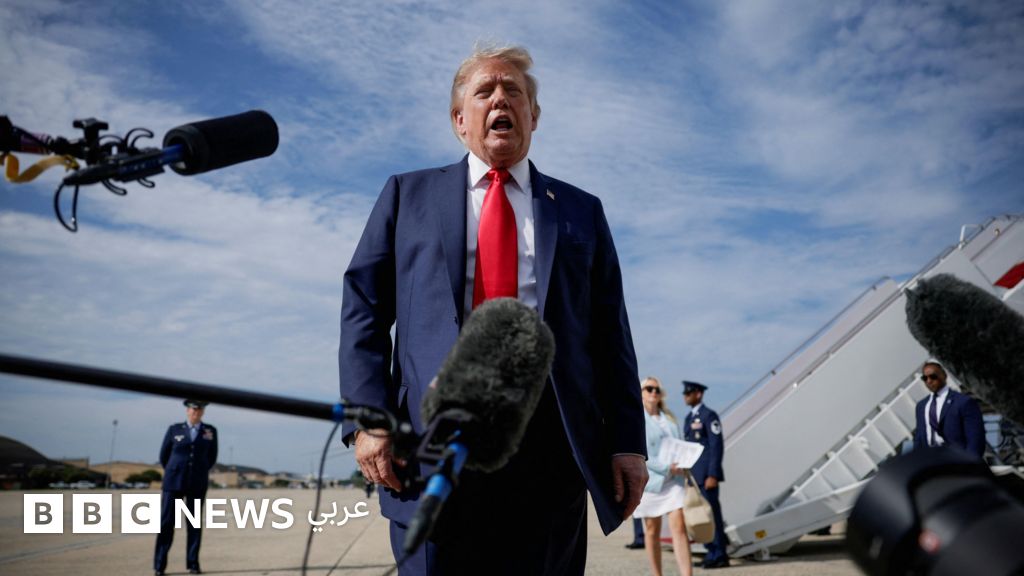
US President Donald Trump declared on 7 July that the agreement was "annulled", and a week later Iran's Foreign Ministry announced it had "suspended" it. According to the memorandum, both countries committed to negotiating a final agreement that would include broader issues such as the fate of Iran's nuclear programme, within a maximum period of 60 days extendable if both parties agreed.
A senior Iranian official told Reuters on Monday that Tehran would now adopt a "completely offensive" stance due to the failure of diplomatic efforts aimed at permanently resolving the conflict.
US newspaper the Wall Street Journal reported, citing US officials, that progress had been made in talks between Oman and Iran on allowing greater movement of commercial traffic through the Strait of Hormuz. The officials indicated that the success of these talks and increased movement of commercial vessels through the strait could help ease pressure on global energy markets and reduce gas price escalation. The newspaper confirmed that Trump prefers an agreement that fully reopens the Strait of Hormuz.