Lobsters tested for role in reversing ocean acidification

Scientists are testing whether alkaline compounds added to seawater can help absorb more carbon dioxide without harming shellfish, though Trump administration funding cuts now threaten the research.

Por El Medio Oriente
28 de agosto de 2026
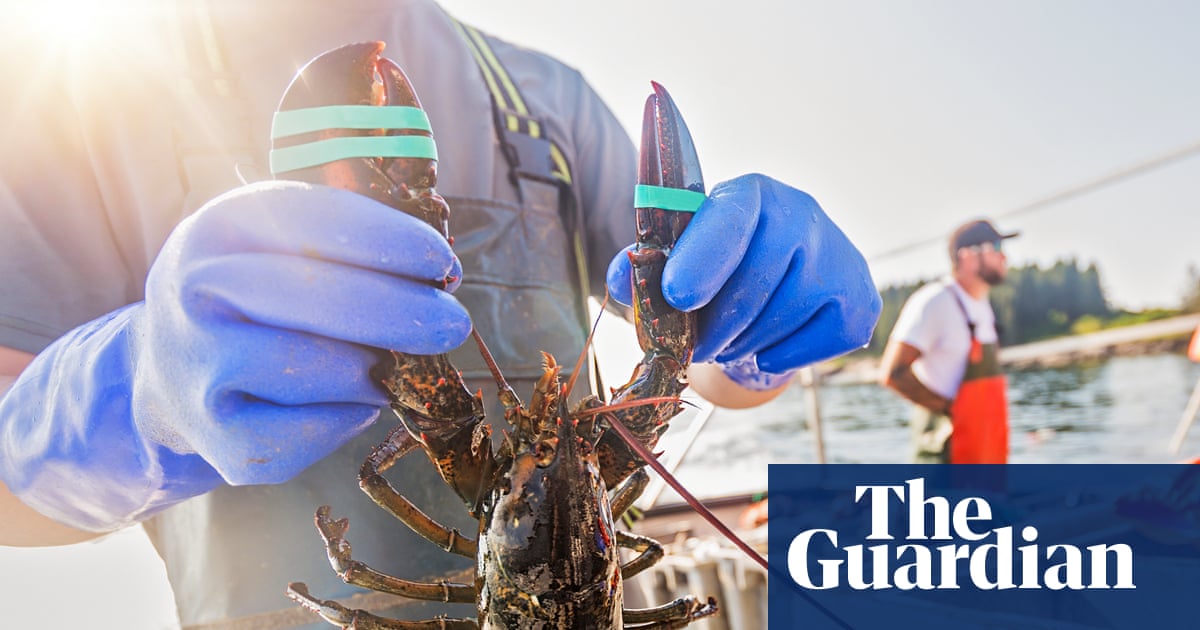
A person wearing blue gloves holds up a live lobster during what appears to be a fishing or research operation on a boat, with water and other workers visible in the background.
A lobster is examined during marine research testing the effects of ocean alkalinity enhancement on shellfish. Scientists are investigating whether adding alkaline compounds to seawater could help mitigate ocean acidification while keeping creatures like lobsters unharmed. (The Guardian — Environment)
1 min de lectura
Tamaño del texto

Researchers are conducting tests to determine whether crustaceans are affected by alkalis added to seawater to increase its capacity to absorb carbon dioxide. The experiments are aimed at assessing potential solutions to ocean acidification, one of the major environmental threats facing marine ecosystems.

The research comes as the lobster industry in New England faces mounting pressures from changing ocean conditions. Lobster rolls, a regional staple traditionally served hot with butter or cold with mayonnaise, have seen prices rise sharply, with some establishments now charging $30 to $50 per sandwich—a significant increase from the dish's humble origins.

However, the future of the acidification research remains uncertain. The Trump administration's halt to funding threatens to derail the project before its findings can be fully realized, officials said.

Lobsters tested for role in reversing ocean acidification | El Medio Oriente