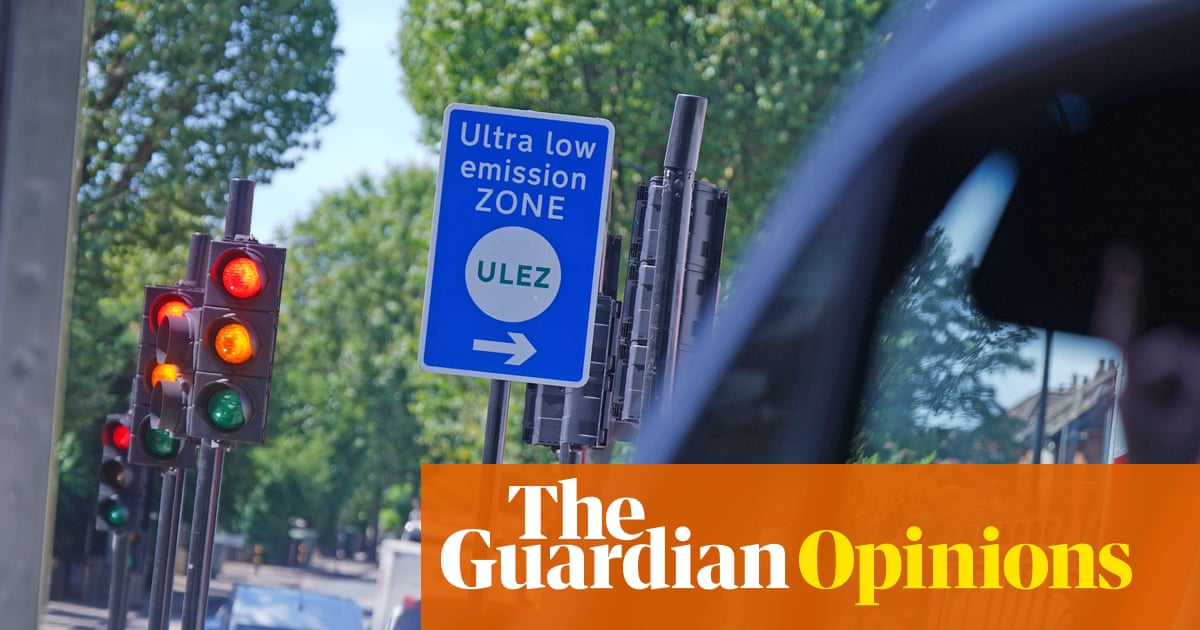
A new study has shown that London's ultra-low emission zone (Ulez) is improving lung function and capacity in children, researchers at Queen Mary University of London said. The findings add to evidence that the scheme, which was first introduced in central London and expanded city-wide, has improved air quality across the capital.
Between 2019, when the Ulez was first introduced, and 2024, estimated deaths associated with air pollution in London fell by around 40 percent, according to research published by Imperial College London earlier this year. The scheme was expanded to inner London in 2021 and to the entire city in 2023, making it the largest clean-air zone in the world, officials said.
The Ulez charges polluting vehicles to enter designated zones, and has faced significant opposition from critics who argued the scheme targeted motorists. Supporters noted that reducing air pollution is critical for the health of London residents.