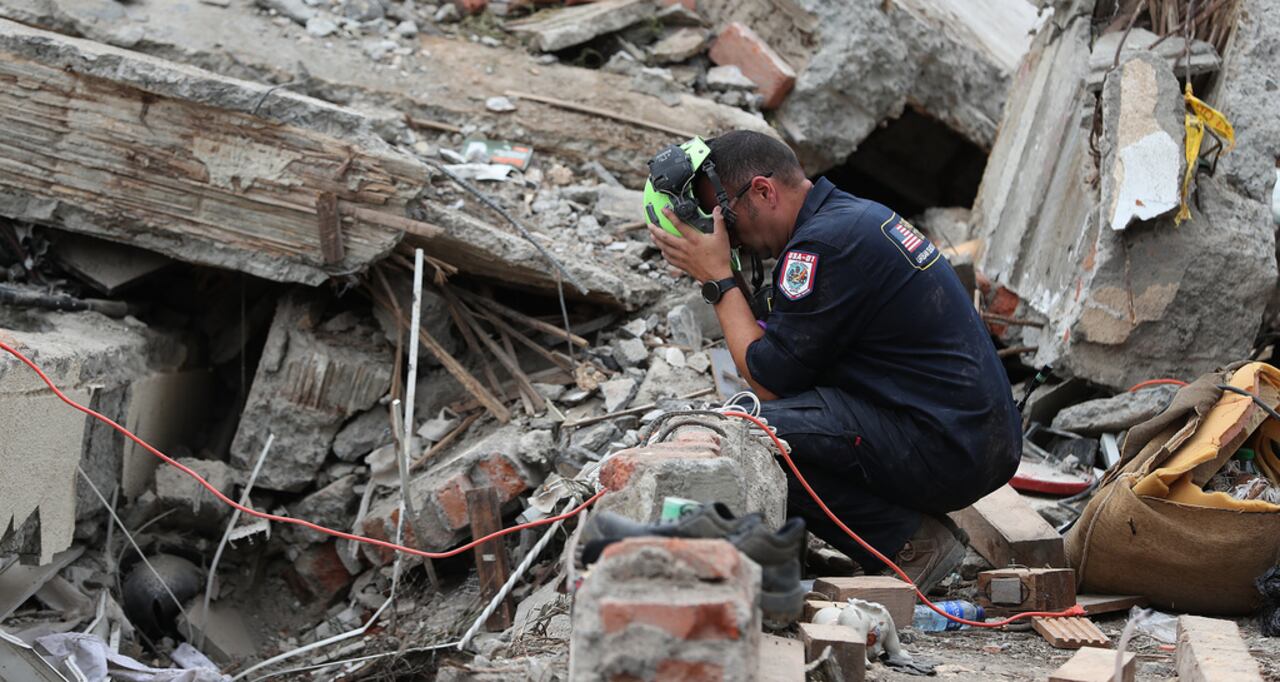
A 7.4-magnitude earthquake with its epicentre in San José del Palmar, in the department of Chocó, struck Colombia on 10 August at 7:34 in the morning. One week later, authorities reported 287 people dead, 4,147 injured and 194 missing, while 355 more had been rescued.
Cali and Pereira were the cities with the greatest concentration of destruction, with dozens of collapsed buildings, destroyed homes, damaged hospitals and schools out of service. The earthquake affected 15 departments and 472 municipalities, leaving 120,671 families displaced and 185,996 people homeless. A total of 127,608 properties were damaged and 26,392 completely destroyed.
Firefighters, Police, Military Forces, Civil Defence and Red Cross immediately began search and rescue operations. President Abelardo De La Espriella publicly assumed coordination of the emergency from the first day and established a Unified Command Post. Four days later, with the number of victims approaching 300, De La Espriella announced a "special plan for Chocó" from Quibdó, noting that the emergency could become an opportunity to correct decades of institutional neglect.
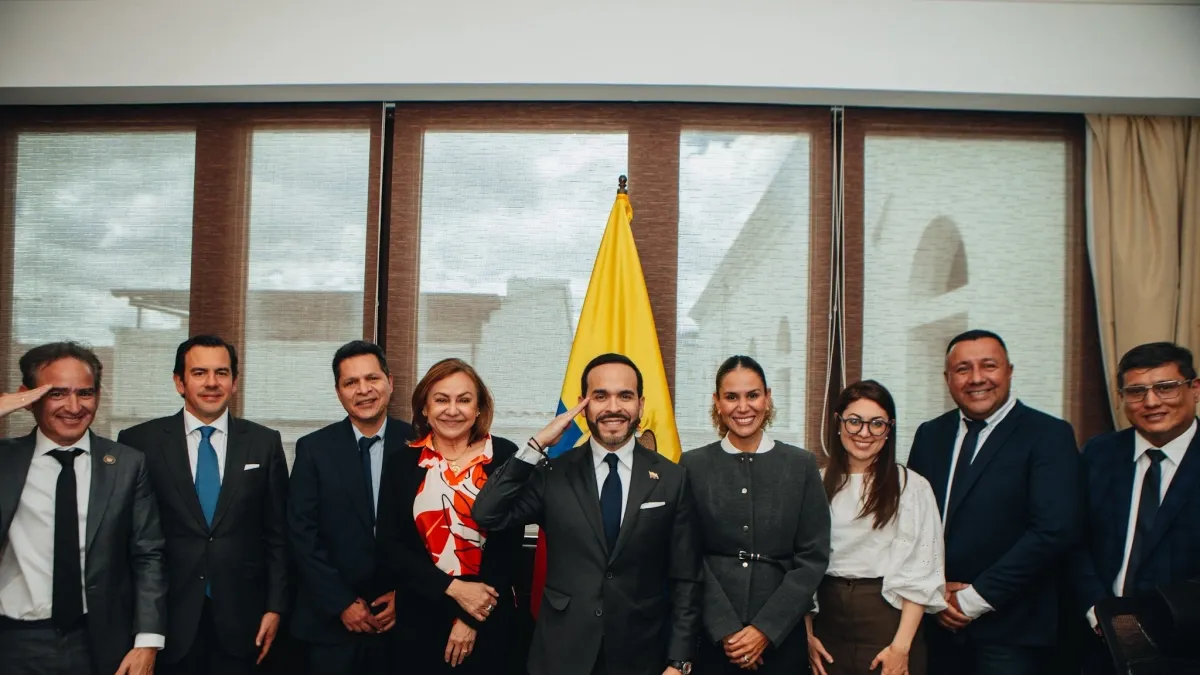
International aid began to arrive during the first days. The United States expanded its contribution to 26.5 million dollars and sent disaster management specialists. Ecuador, Israel and El Salvador also mobilised rescue teams. However, Mexican brigades such as Topos Azteca faced difficulties in obtaining authorisation from the Colombian Government, which generated controversy. Foreign Minister Omar Bula ruled out that Colombia was rejecting aid for ideological reasons and assured that "we have absolutely not excluded any country".
Citizen solidarity was massive: Barranquilla sent approximately 180 tonnes of aid, Pereira gathered more than 120 tonnes and Bogotá received about 40 tonnes in a single day. Major businesspeople also contributed: the Santo Domingo family pledged 32 million dollars and Jaime Gilinski announced 150 billion pesos to rebuild hospitals and schools in Cali. Critical infrastructure also suffered significant damage, with 304 health centres, 3,207 educational institutions and 4,059 community centres affected, in addition to 410 roads, 95 aqueducts, 48 vehicle bridges, 13 pedestrian bridges and five airports damaged.