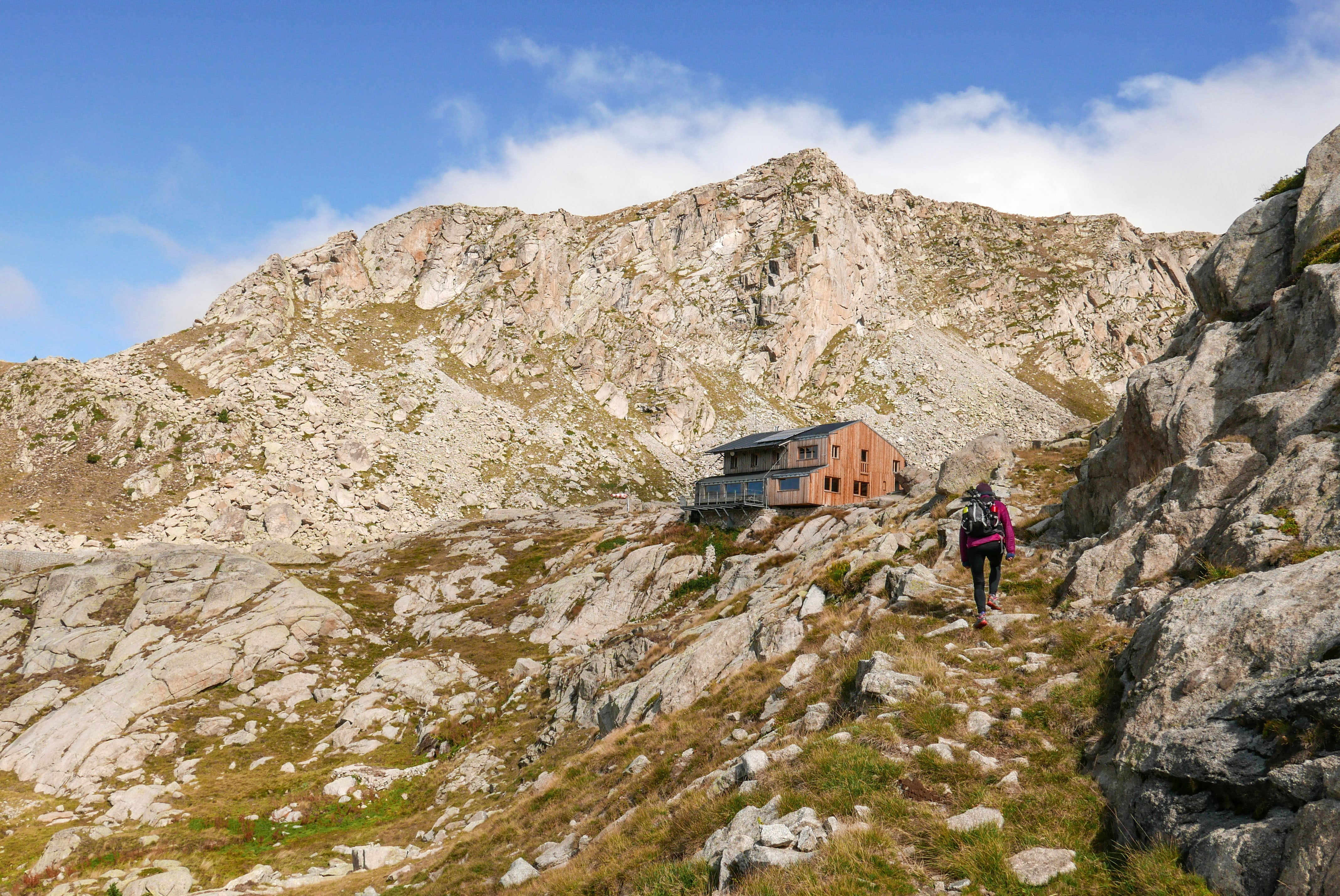
Mountain refuges in the Catalan Pyrenees are experiencing an unprecedented boom. At the 13 refuges managed by the Catalan Excursionist Entities Federation (FEEC), overnight stays rose from 22,057 in 2019 to 24,000 in 2025, after dropping to 12,300 during the covid pandemic. The figures point to sustained growth, though uneven depending on the refuge and its location.
Demand is concentrated especially at refuges integrated into major treks like Carros de Foc or at the foot of Pica d'Estats, where it is necessary to book a place weeks or even months in advance. Marinella Mosquera, manager of Cavalls del Vent, one of the most popular treks in the Catalan Pyrenees, explained that "we have moved from a very mountaineering-focused profile to a much more general audience. Today people are looking to experience something". The profile of those accessing high mountain areas has changed radically: in recent years, women, foreigners, families and people with no previous experience have entered in force.
Those who escape to the mountains seek various things. Moshe Mizhari, founder of Yépalo, a community that organises hiking trips from Barcelona, stated that his participants seek "a break from their daily routine; a physical challenge and time with more people". In a hyperconnected and hyperstimulated society, the mountains offer silence, time and genuine connection with other people. Yamila, an Argentine psychologist based in Barcelona, highlighted another aspect: "In the mountains nobody cares what your job or status is. We are all tired, we all carry a backpack and we are all equal".
The motivations go beyond seeking disconnection. Jordi Miquel Torres Muñoz, 52, pointed out that he does not go to the mountains "to disconnect; I go to clear my head". "When you remove the constant stimuli of the city from the mind, all that is left is the path and your own thoughts", he added. Narcís Francàs, a hiker since age eight, explained that the mountains offer "a field for experimenting with the environment and my own body" where he tests "his physical and intellectual capabilities".
The appeal also responds to practical factors. Some visitors seek to escape the extreme summer heat waves and increasingly crowded and expensive coastal destinations. Miquel Sánchez Murcia, guardian of the Ventosa i Calvell refuge since 1982, has witnessed the transformation of those who visit high mountain areas over more than four decades, moving from experienced, federated mountaineers to a heterogeneous public seeking experiences.