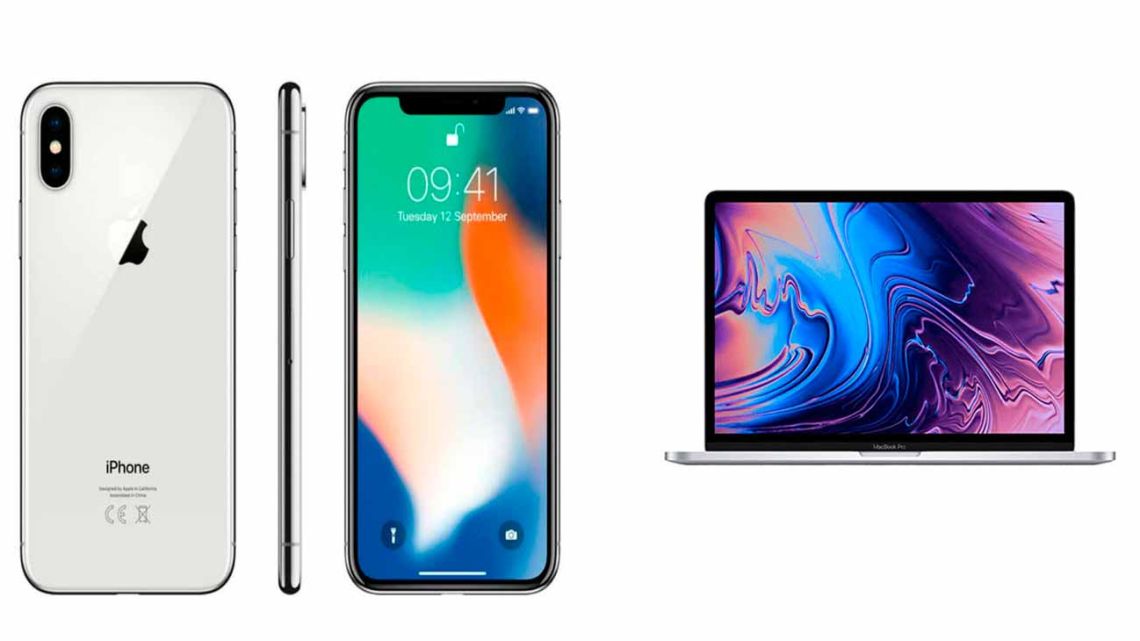
Apple has added the iPhone X and the 15-inch MacBook Pro released in 2018 to its official list of obsolete products. With this decision, the company and its network of authorised service providers will no longer offer hardware repairs or original replacement parts for both devices, regardless of their condition.
According to the company's internal regulations, a device is classified as obsolete when more than seven years have passed since the end of its official commercial availability. Before reaching this status, devices go through a phase called vintage, during which repairs at authorised retailers remain available if original parts are in stock.
The iPhone X, presented in late 2017 and withdrawn from the market in September 2018, introduced significant changes to mobile phone design by eliminating the physical home button and incorporating an edge-to-edge OLED display and Face ID system. Its stainless steel chassis with glass back established the aesthetic line that the brand would maintain in subsequent years. The device completed its cycle of major updates with iOS 16 and was excluded from iOS 17 and future versions.
The 15-inch MacBook Pro from mid-2018 was also declared obsolete. This computer incorporated the T2 security chip for the first time and used the butterfly mechanism keyboard, a design that required an extended support programme that ended in 2024. Unlike the iPhone, it maintains compatibility with macOS Sequoia, but will not receive future operating system updates.
Owners of both devices facing hardware failures will have to resort to unofficial repair shops or obtain third-party parts. Industry specialists recommend that users keep updated backups to protect photos, documents and personal data before serious technical problems arise. For iPhone devices, the most direct option is iCloud. For MacBook Pro, the Time Machine tool offers the most efficient solution for creating regular backups on external drives.