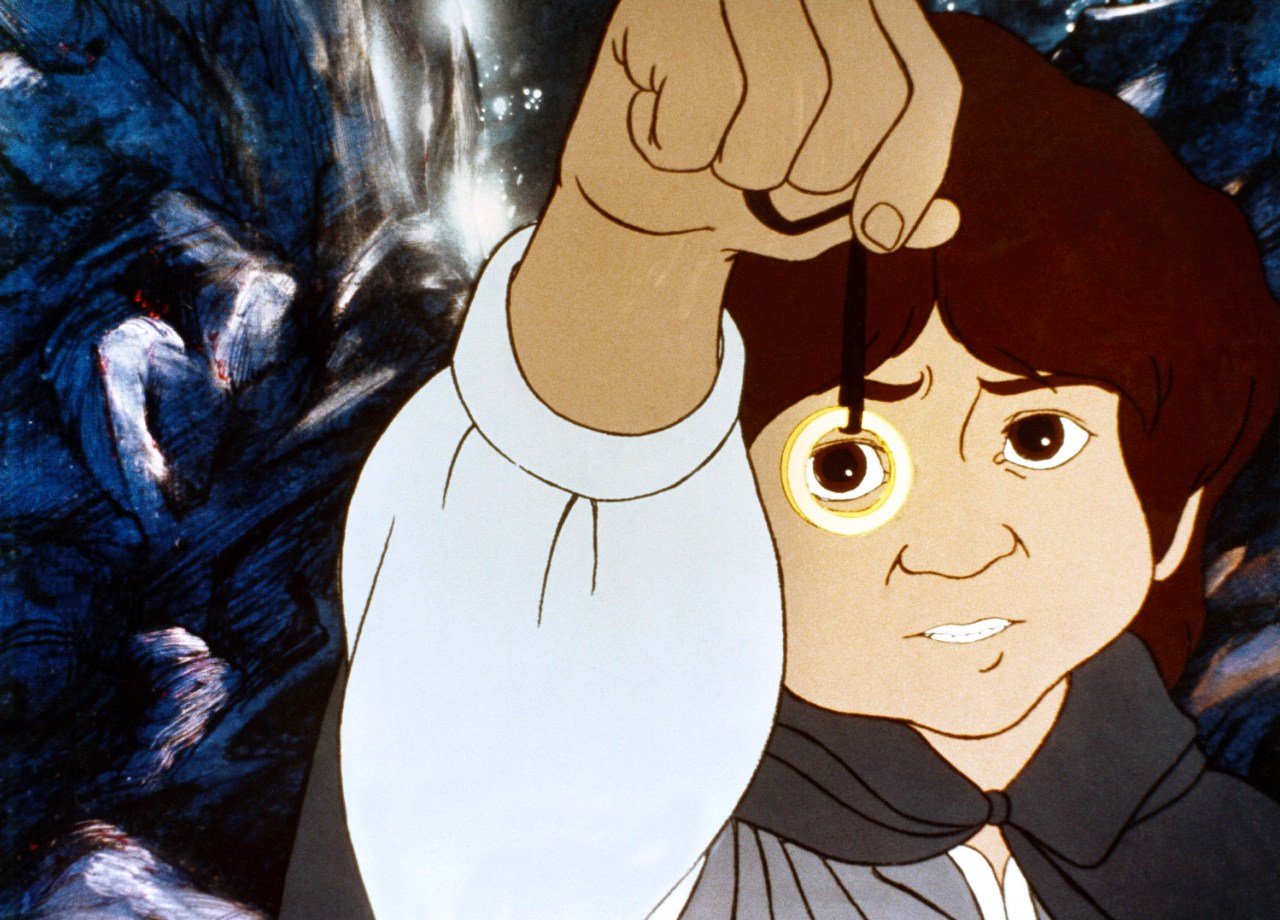
Ralph Bakshi's 1978 adaptation of "The Lord of the Rings" might seem an anomaly in the pioneering filmmaker's career. Yet the lifelong director and Tolkien admirer approached Middle-earth with the same appetite for invention that drove everything else he made, accidentally creating the definitive spiritual sequel to both the Rankin/Bass animated adaptation of "The Hobbit" and, in the broader sense, to the concept itself.
Bakshi allegedly had loved "The Lord of the Rings" for decades, and pursued the project after learning that United Artists had abandoned John Boorman's proposed live-action adaptation. Fiercely rejecting the idea that Tolkien's trilogy could be compressed into a single film, Bakshi initially considered three animated instalments before settling on two which, in his view, would still preserve the immersive fantasy of the original story.
The production that followed saw Bakshi switching techniques with such abandon that the finished film sometimes appears like a movie mutating before viewers' eyes. Traditionally animated figures clash with rotoscoped performances, painted backgrounds and processed live-action war footage into seething masses of shadow and pigment. Bakshi was using every tool he could find, sometimes for artistic inspiration, sometimes out of budgetary necessity, all in a fierce attempt to give the literature he so admired the sense of cinematic scale it deserved.
Filmmakers and animators in the industry continued returning to Bakshi for inspiration. Peter Jackson credited Bakshi's "The Lord of the Rings" with introducing him to Tolkien, while Quentin Tarantino became such a vocal advocate for "Coonskin" that he subsequently wrote the foreword for the 2008 biography "Unfiltered: The Complete Ralph Bakshi".
Despite winning nearly every argument he made about what animation would eventually become, Bakshi rarely received credit for the cinematic future he helped create. The filmmaker, born into a Krymchak Jewish family in Haifa and raised in poverty in Brownsville, Brooklyn, entered the animation industry at 18 years old, learning both how the American cartoon factory operated and, more importantly, that he wanted to break its cultural machinery.