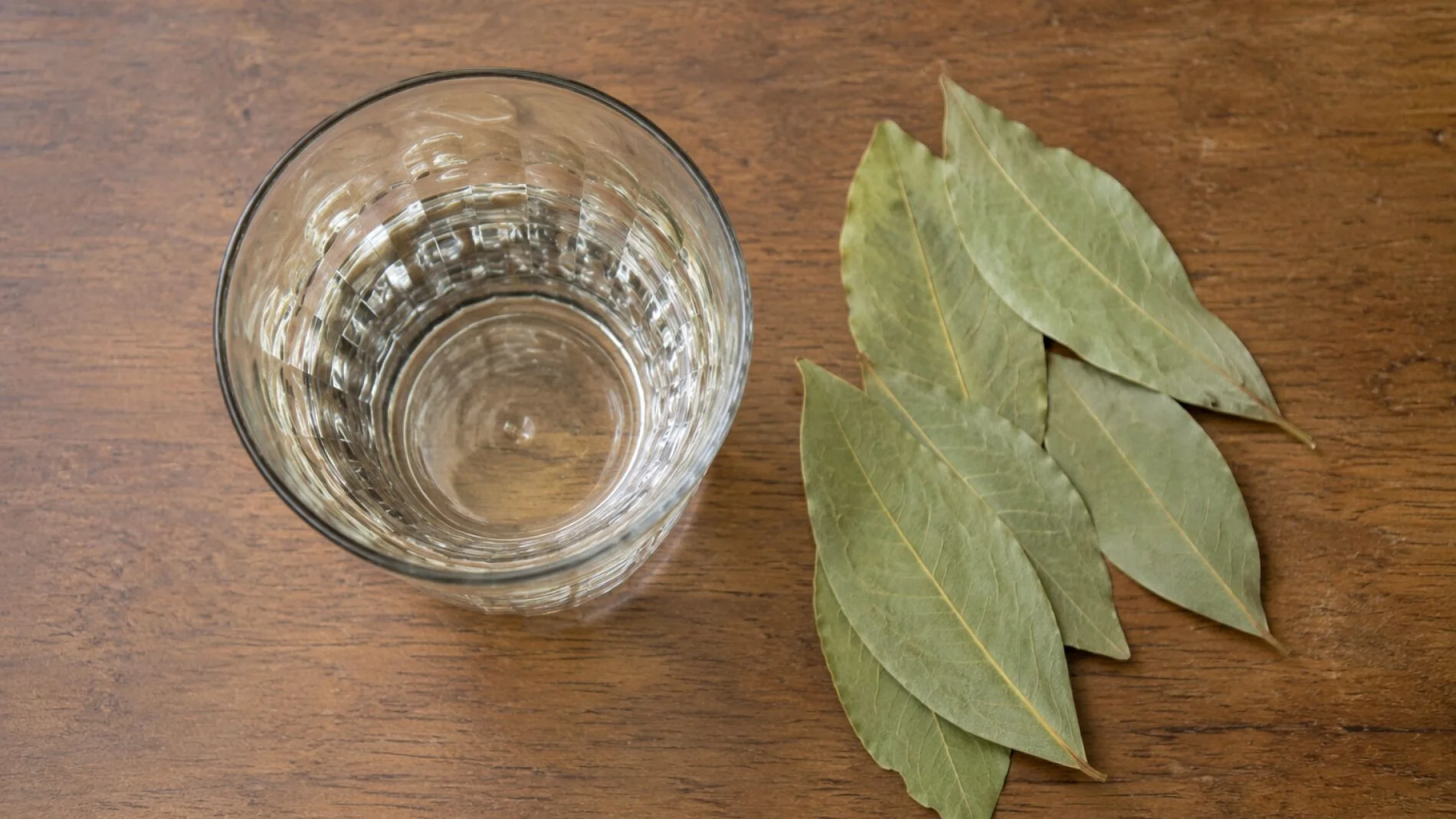
In many households, pantry ingredients take on a second use outside the kitchen. White vinegar has stood out for its acidity, while bay leaves provide aromatic compounds that can alter the smell of homemade preparations. This combination has become popular as an alternative for certain household tasks.
However, the fact that a product is natural does not mean it is appropriate for any surface or that it can replace a specific cleaner or disinfectant. Specialists emphasise the importance of understanding the specific uses of the mixture and where it should not be applied.
Bay leaves contain essential oils and aromatic compounds that are released when heated in water. Their main practical value lies in adding aroma to the solution and taking advantage of its plant components. Vinegar, however, plays the central role from a cleaning perspective. Its acetic acid content can help remove mineral residues and light dirt, especially on surfaces resistant to acidic products.
The United States Environmental Protection Agency distinguishes between cleaning—removing dirt and organic matter—and disinfecting, which requires products whose antimicrobial effectiveness has been evaluated for that purpose. Experts warn that the mixture should not be presented as a powerful household disinfectant or claimed to eliminate all types of bacteria, viruses or fungi.
The preparation is straightforward: approximately ten bay leaves are boiled in a litre of water, left to rest for about fifteen minutes so the water acquires the aromatic compounds from the bay, and once cool, half a glass of white vinegar is added. The solution can be stored in a clean, sealed bottle.
For floor cleaning, add a small amount of the preparation to a bucket of water and mop as usual, avoiding soaking the surfaces. Its most reasonable use is on surfaces resistant to acids and general cleaning tasks, especially for removing light dirt. It can be used on some ceramic floors or washable surfaces, although for guaranteed disinfection a product specifically designed and labelled for that purpose should be used.