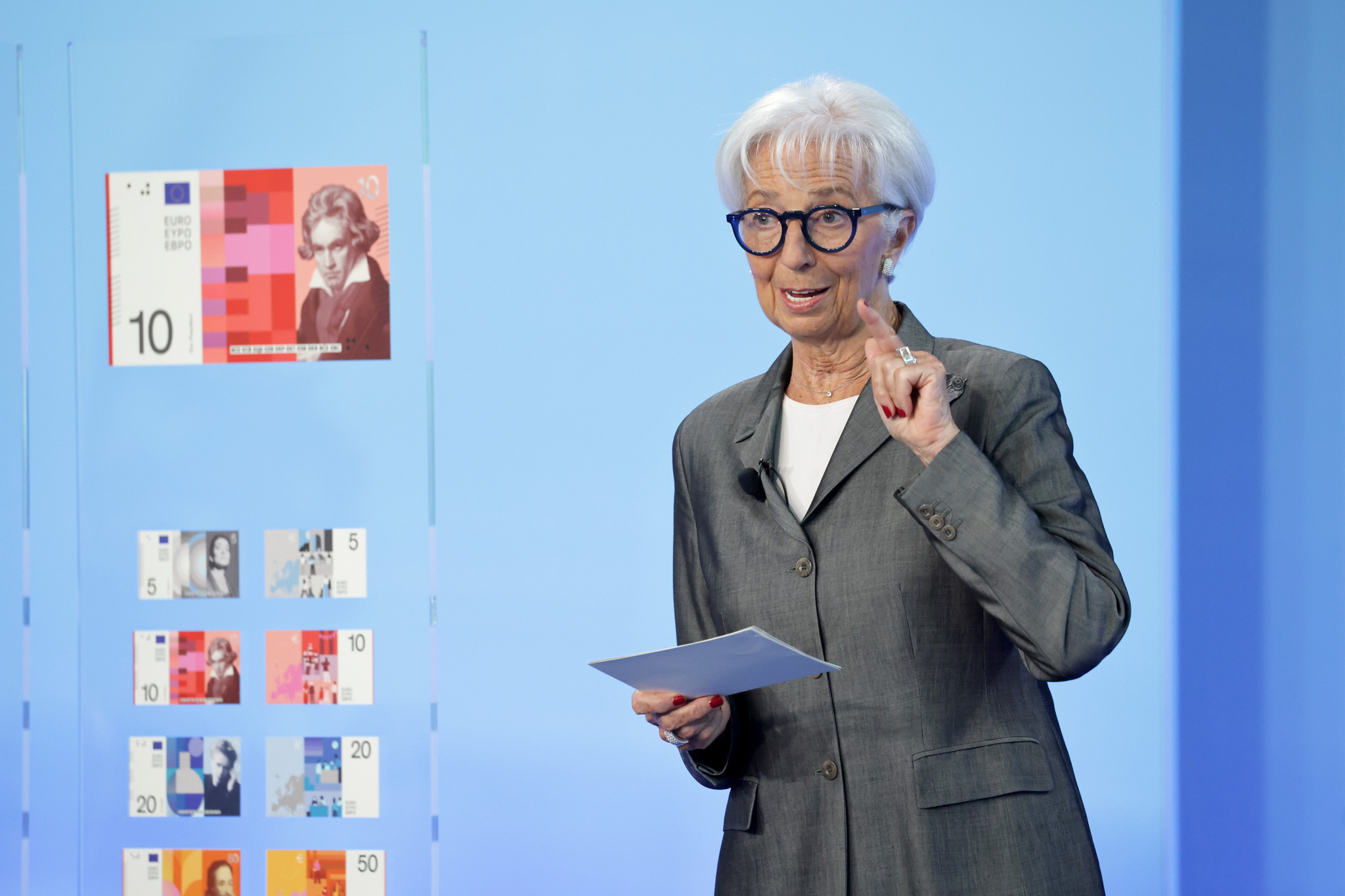
Christine Lagarde, president of the European Central Bank, sounded an alarm about the future of the European economy, stating that the continent is losing the advantages that have driven its development for decades. She said a transformation is needed to eliminate obstacles preventing European companies from investing, innovating and expanding their operations across the continent in order to compete against American giants and competition from China.
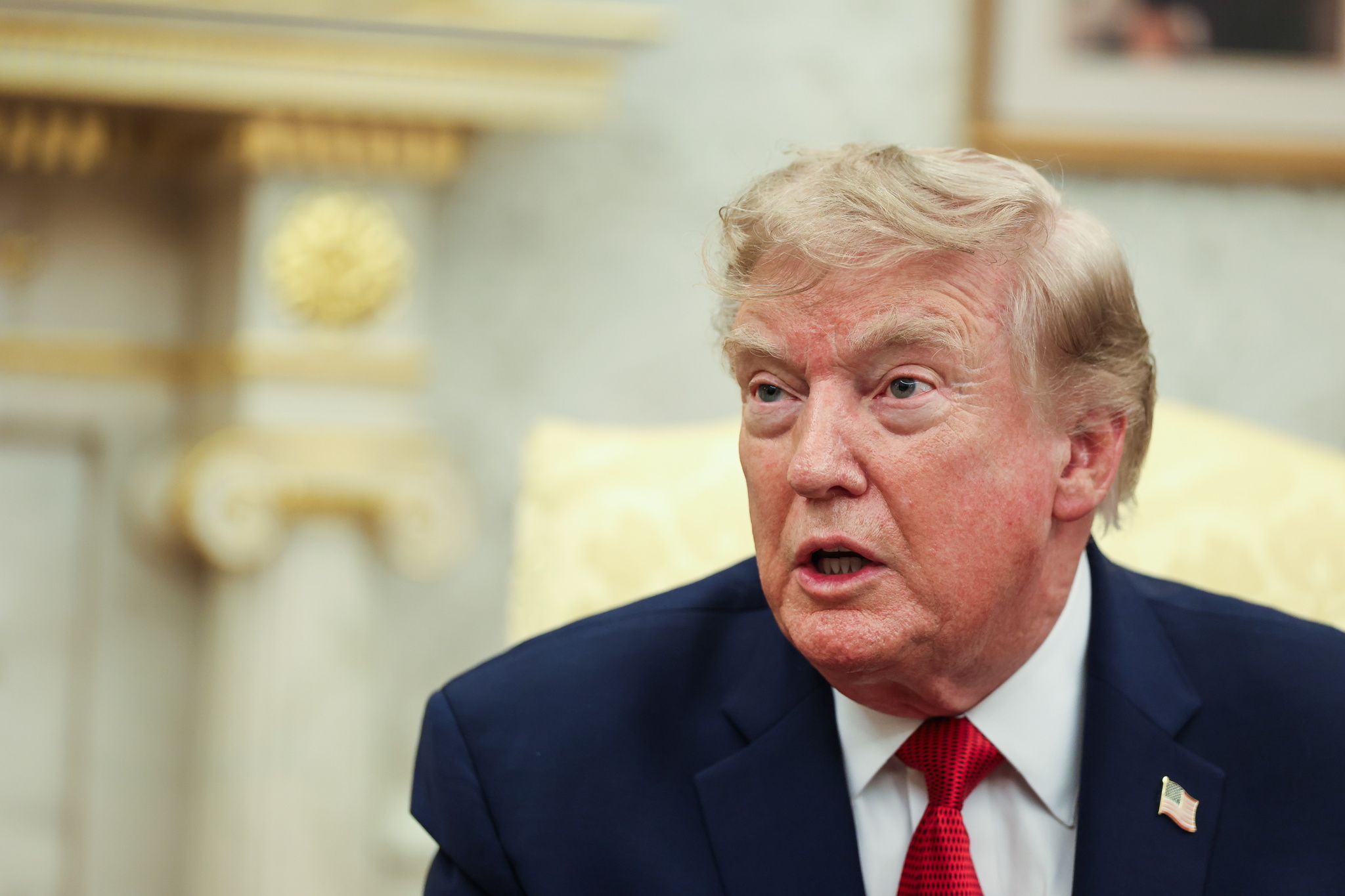
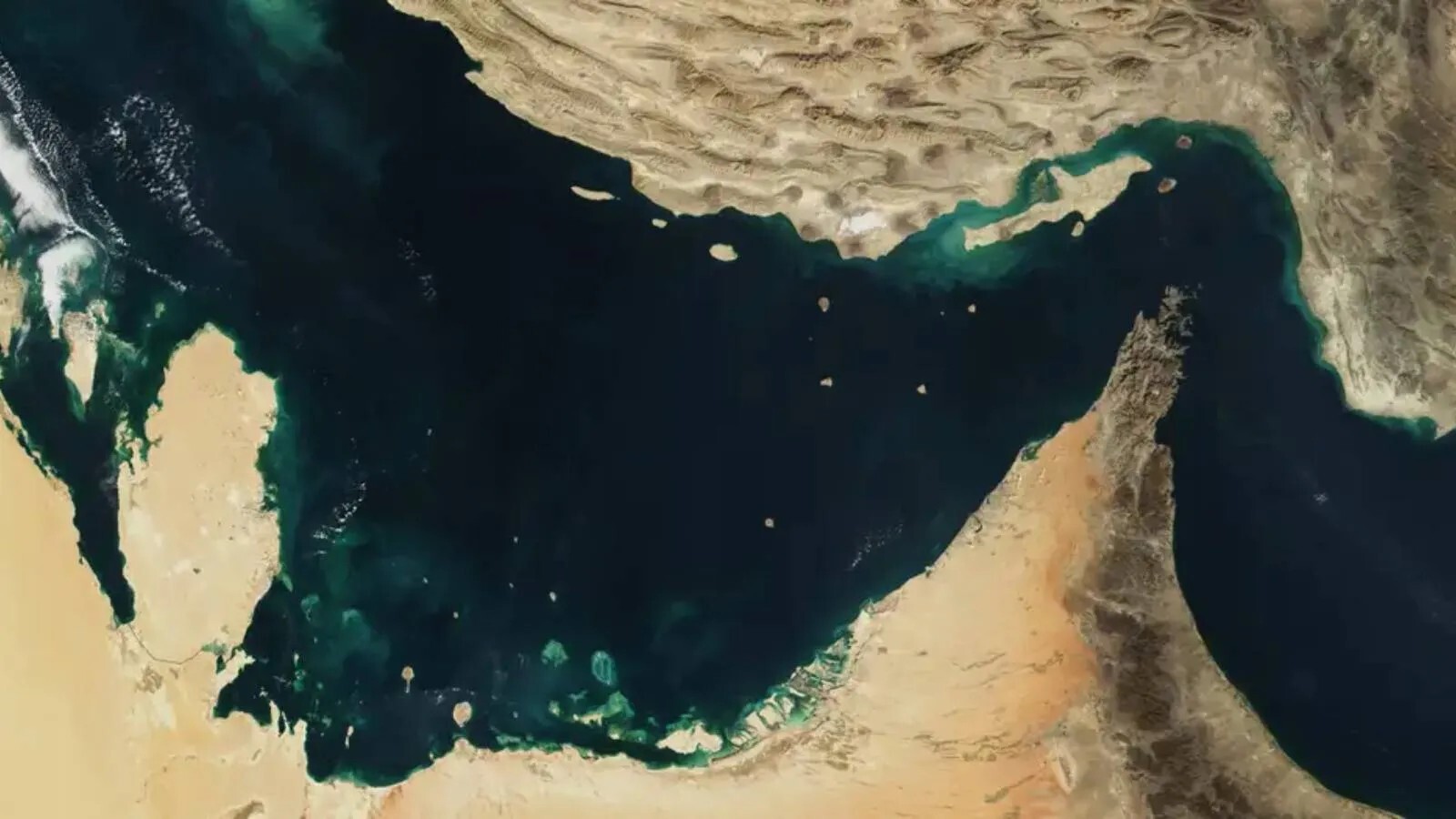
In an address to the International Business Council of the World Economic Forum, Lagarde said the postwar growth model was based on three pillars that are now shaking: the expansion of global trade, a competitive industry sustained by cheap energy and a stable international order based on rules. Wars in Ukraine and the Middle East, as well as protectionist trade measures driven by US president Donald Trump, have disrupted an economic landscape that benefited Europe for decades.
Lagarde illustrated how China has advanced up the value chain and now competes directly with the eurozone in nearly 40 per cent of sectors where Europe maintains comparative advantage, a percentage that has grown significantly since the early 2000s, when it barely reached 25 per cent. She added that cheap energy is no longer an advantage for European industry, as high energy-consuming industries in the European Union pay on average more than double the price for electricity compared to the United States and around 50 per cent more than in China.
The ECB president said the response to these challenges lies in one of Europe's main strengths: its internal market of 27 member states and 450 million consumers. However, she lamented that European companies cannot fully exploit the size of this market due to the obstacles they encounter when trying to grow beyond their national borders, and warned of the risks this poses in relation to artificial intelligence.
Among the solutions proposed, Lagarde suggested eliminating internal barriers and praised the concept of "EU Inc.", a voluntary corporate legal form at the EU level that would allow a company to incorporate once and operate under a single set of rules across the entire community. She also emphasised the problems companies face in raising capital as they grow, and defended faster integration of EU capital markets.