Environmental and social concerns are intensifying in Mexico over the impacts of hydrocarbon-related projects. Experts question fracking for its possible effects on water, health and territories; warn of spillage risks in deep-water oil exploration; and Indigenous communities have opposed an ammonia plant in Sinaloa for more than a decade. A recent chemical spill in Sonora adds urgency to these concerns.
According to a study by the CartoCrítica organisation, over 6 million people live in regions where fracking could expand in Mexico. The research identifies three areas of interest for the exploitation of unconventional hydrocarbons and points to possible conflicts related to water scarcity, the occupation of rural territories and impacts on Indigenous communities. Experts indicate that this activity requires large volumes of water and could have long-term environmental, social and territorial impacts.
Mexico promotes fracking under the promise of a "sustainable" version, but scientists warn that there is not enough evidence to support that idea. International studies continue to document water contamination, health damage, methane emissions and earthquakes associated with this gas and oil extraction technique. Communities are demanding a law to ban it.
President Claudia Sheinbaum backs the construction of the ammonia plant in Bahía de Ohuira, in Sinaloa, asserting that the project is already 95 per cent complete. The president maintains that the project has an environmental impact assessment, was approved in a public consultation and is key to strengthening national fertiliser production. However, for more than a decade, Yoreme-Mayo Indigenous communities have maintained their opposition to the project because of possible environmental and social impacts at this Ramsar site.
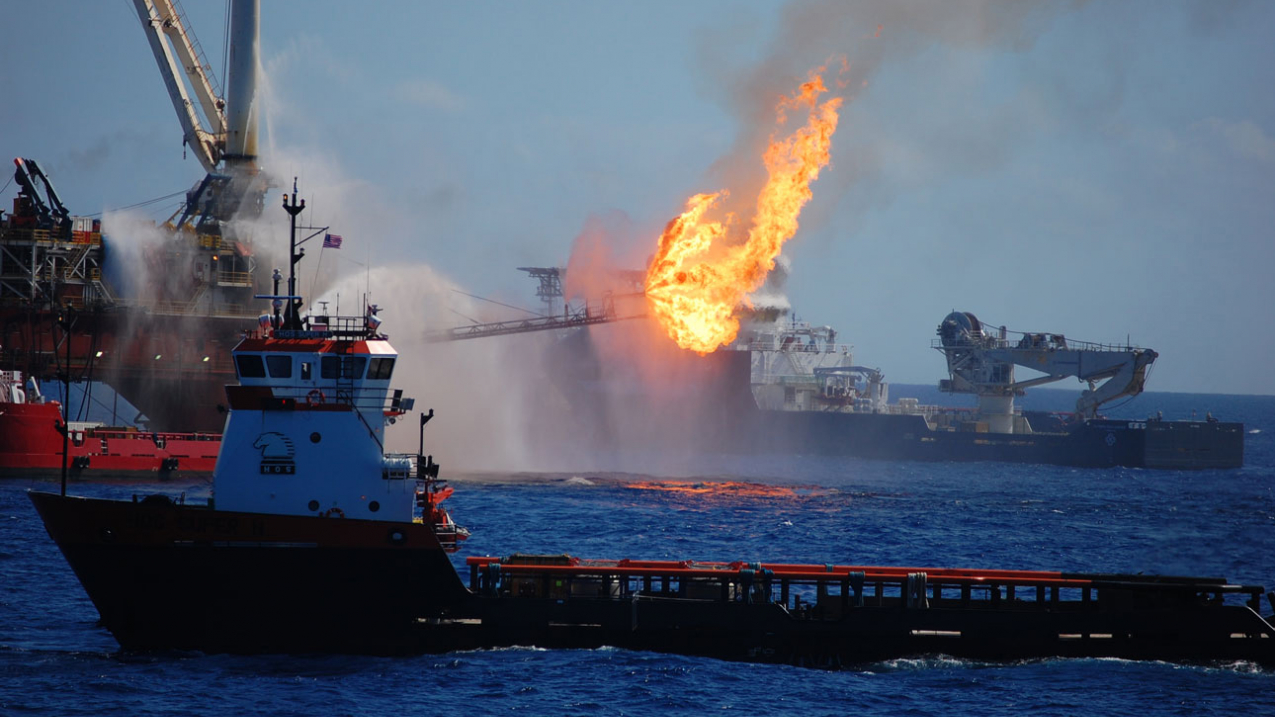
Mexico is seeking hydrocarbons in deep waters following an agreement between Pemex and Petrobras. Although the alliance does not yet involve immediate projects, experts warn that they would increase spillage risk, affect marine ecosystems and prolong dependence on fossil fuels. A deep-water spill could impact animals, mangroves, reefs and coastal communities dependent on fishing and tourism.
A chemical spill in Sonora has kept experts and environmental authorities on alert. Following the derailment of a Ferromex company train, more than 70,000 litres of sodium hydrosulphide reached the bed of a stream in the locality of Naco. Although the extent of the contamination is still being investigated, experts warn that possible impacts on water, soils, air and health could emerge in the medium and long term.