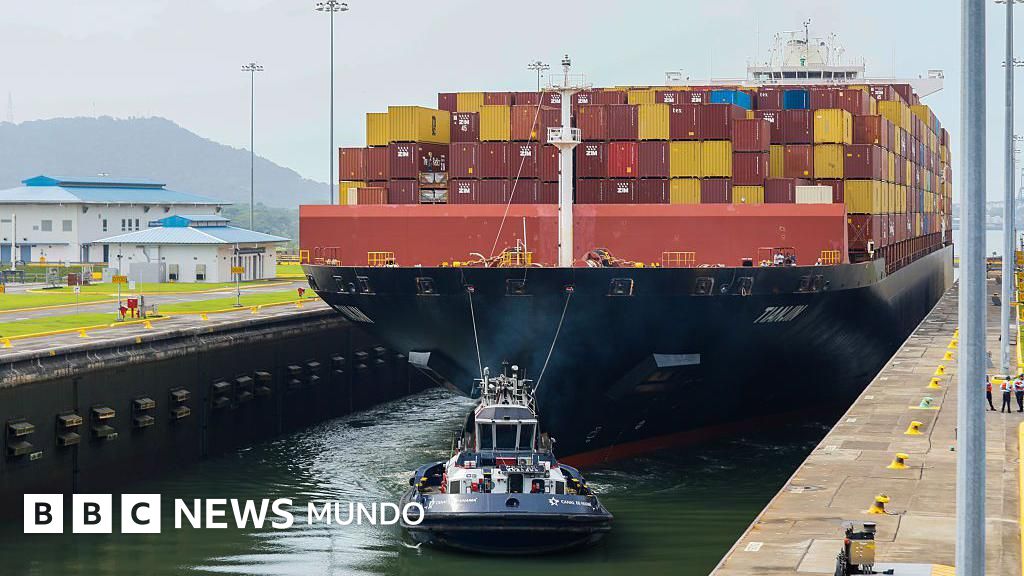
The Panama Canal Authority (PCA) has notified shipping companies that from 15 September it will permit the transit of 32 vessels daily, a reduction of four ships from the current average of 36. The measure responds to the drought caused by the El Niño phenomenon, which affects weather systems on a global scale.
The PCA indicated that these actions seek to preserve the reliability of the service and protect water resources intended for human consumption. Although the arrival of the rainy season in Central America is expected and water-saving measures have already been implemented at the canal, the authority considered additional actions necessary to support the long-term sustainability of transit operations.
El Niño is expected to be particularly intense this year, with effects exacerbated by climate change. In 2023, the PCA reduced the number of ships using the waterway during a previous El Niño episode, after Panama recorded its driest October since 1950.
Approximately 14,000 vessels annually use this artificial waterway, which operates continuously. The canal generates around 3 billion dollars annually for Panama and represents approximately 5 per cent of world maritime trade, being especially important for the United States, whose 40 per cent of container traffic transits this route.
The reduction in transit comes at a time of additional pressure on the canal due to effects stemming from the war in Iran, which has increased demand for transits. According to the International Maritime and Baltic Exchange Council, the number of transits increased 8 per cent year-on-year to reach an average daily rate of 38 vessels by late May, approaching maximum capacity.