In southeast Alaska, a 21-foot vessel ran out of fuel at 21:32 on 3 August near Point Highland. The Coast Guard received the call on VHF and determined 24 minutes later that there was no dangerous situation, so it issued a request for assistance to other vessels in the area.
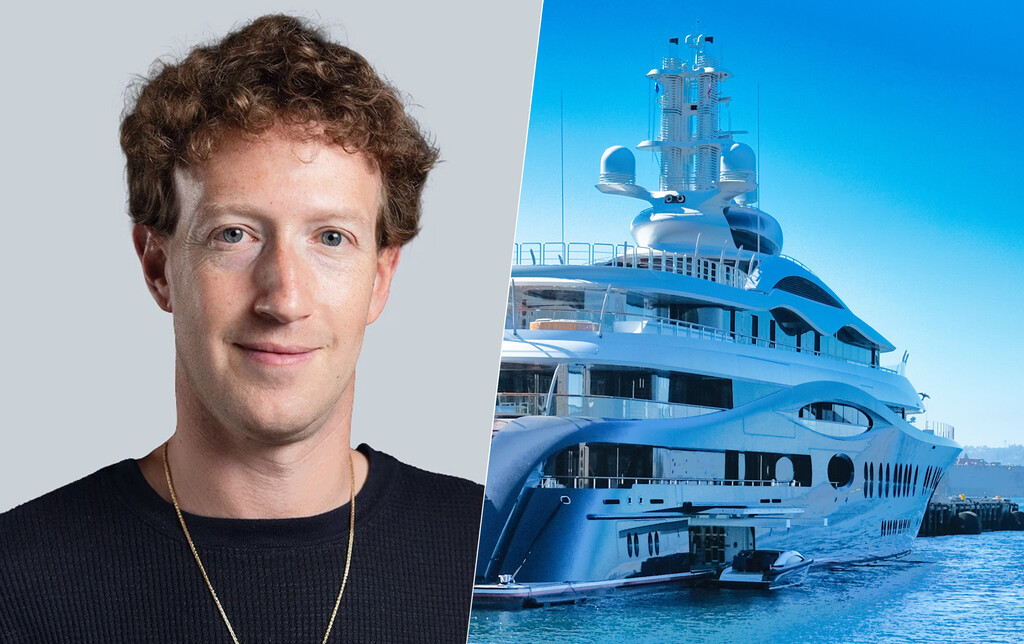
The Launchpad, a 118-metre superyacht linked to Mark Zuckerberg, was closer than other ships according to tracking data reviewed by Alaska Beacon and Halifax Shipping News. The superyacht slowed down and stopped, whilst the cruise ship Wilderness Legacy continued towards the vessel and towed it to Farragut Bay just over an hour after the Coast Guard alert.
Michael Love, a passenger on the Wilderness Legacy, recounted that the captain explained on board that the Coast Guard had contacted the Launchpad without getting a response. Brian Baker, spokesperson for Zuckerberg and Priscilla Chan, offered a different explanation: they and their family were not on board, and the crew was operating on another radio channel. When they reviewed the Coast Guard communication, Baker added, assistance was already underway.
Maritime law specialists consulted by AP noted that the Coast Guard classified the case as a need for assistance but not as a dangerous situation, a distinction that is crucial for rescue obligations under the law. Under that classification, they considered that the Launchpad's crew was not legally obliged to intervene, although that does not preclude discussion of whether help could have been expected.
No recording of the radio traffic has been made public that would demonstrate what communication the Launchpad received or whether there was a deliberate refusal to intervene, leaving a central part of the story unresolved.