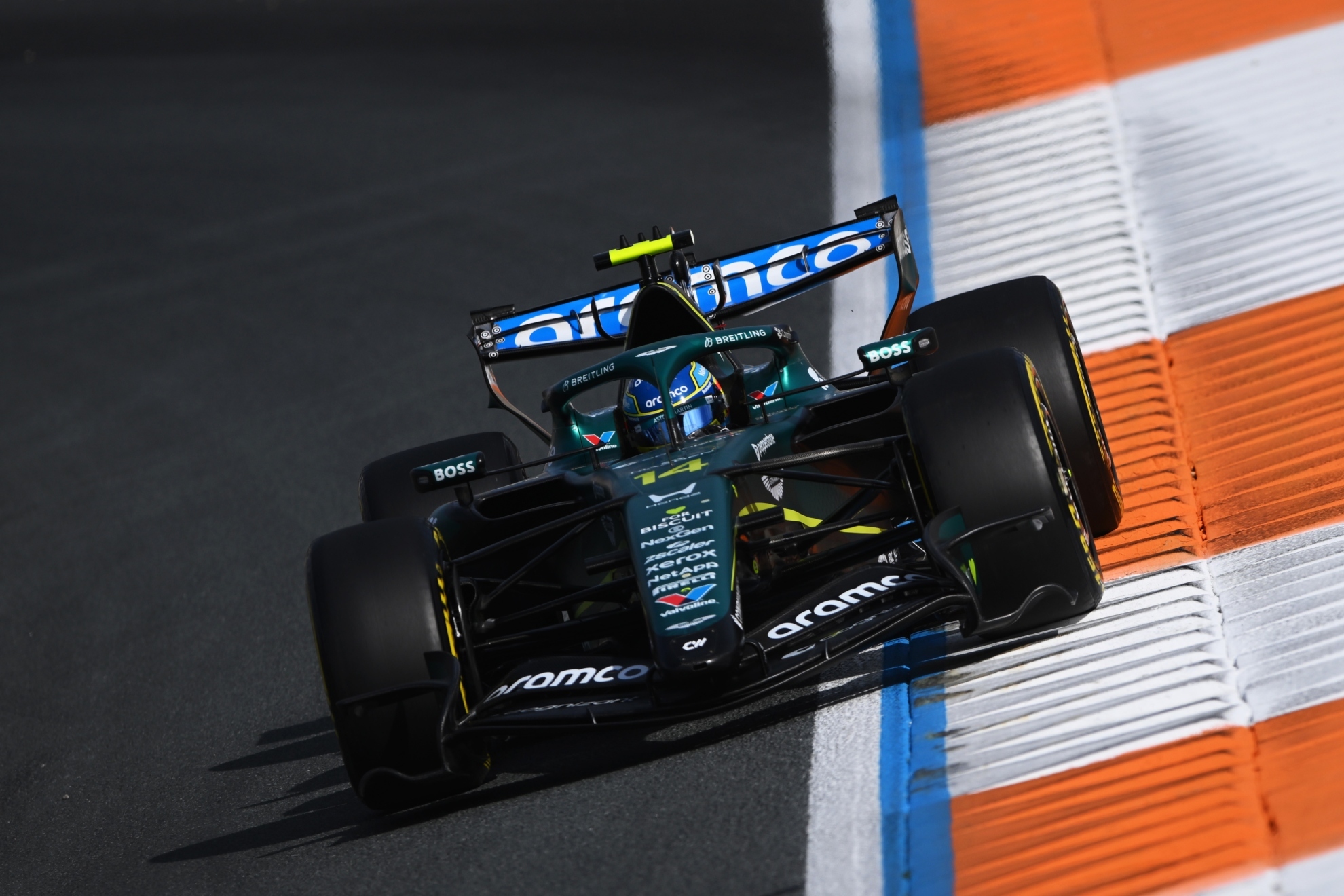
Aston Martin's cars were eliminated in Q1 during qualifying for the Zandvoort Grand Prix, despite their drivers believing they had sufficient pace for higher grid positions. Fernando Alonso was unable to progress to Q2 after losing over two seconds on braking due to the car's drivability issues.
The team identified flaws in almost every aspect of the technical package. The Honda engine experienced a significant improvement with its latest update, but the drivers requested advances in drivability. In aerodynamics, the problems were more severe and directly responsible for Alonso's elimination from the next qualifying session.
Shintaro Orihara, Honda's chief engineer, noted that both practice sessions ran without reliability issues, although the power unit requires optimisation in drivability that will be tested in dynamic sessions in Japan. The team considered the aerodynamic problem to represent a new challenge linked to the active wing technology in modern F1 regulations.
Alonso acknowledged that the sprint race weekend does not offer the three practice sessions needed to fully optimise the package. The team projects that their car will compete in the midfield of the championship once all components are resolved.