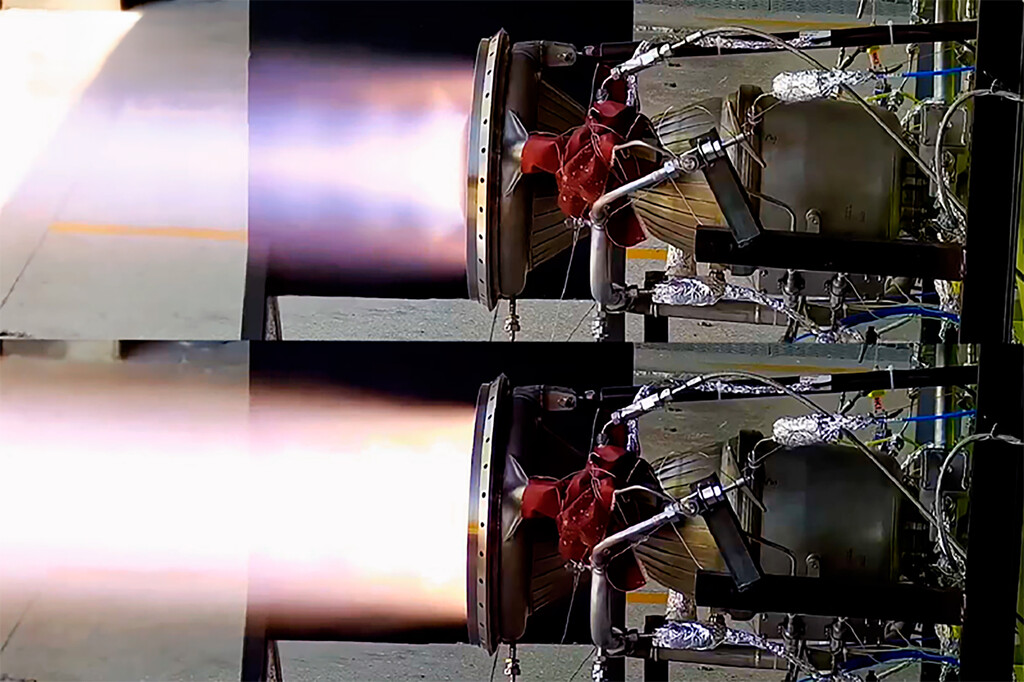
Chinese company CAS Space completed testing of the Lixun-1 propulsion system, an upper stage designed to function as a reusable space transport vehicle. According to the company and Chinese state media, the 20 kilonewton liquid motor accumulated 5,211 seconds of firing time during the trials.
CAS Space indicated that the vehicle is ready to enter the flight testing phase, with a first launch planned for the first quarter of 2027. Project managers consider the firing data a key verification before an actual orbital mission.
Unlike traditional upper stages, Lixun-1 was designed as an independent vehicle capable of continuing the mission after the main launcher reaches initial orbit. The system includes liquid propulsion, multi-ignition capability and a modular architecture adaptable to different launchers.
If it demonstrates its capabilities in flight, Lixun-1 would allow a single launch to become a more flexible operation, placing satellites in different orbits and altitudes. This would reduce the amount of fuel that satellites need to reach their final position, freeing up space for instruments or extending mission lifespan.
Lixun-1 development is part of a broader transformation of the Chinese space sector: moving from manufacturing vehicles capable of reaching space to building services that enable more efficient and versatile orbital operations. China has promoted a commercial ecosystem with new companies, launchers and technologies aimed at improving mission flexibility.