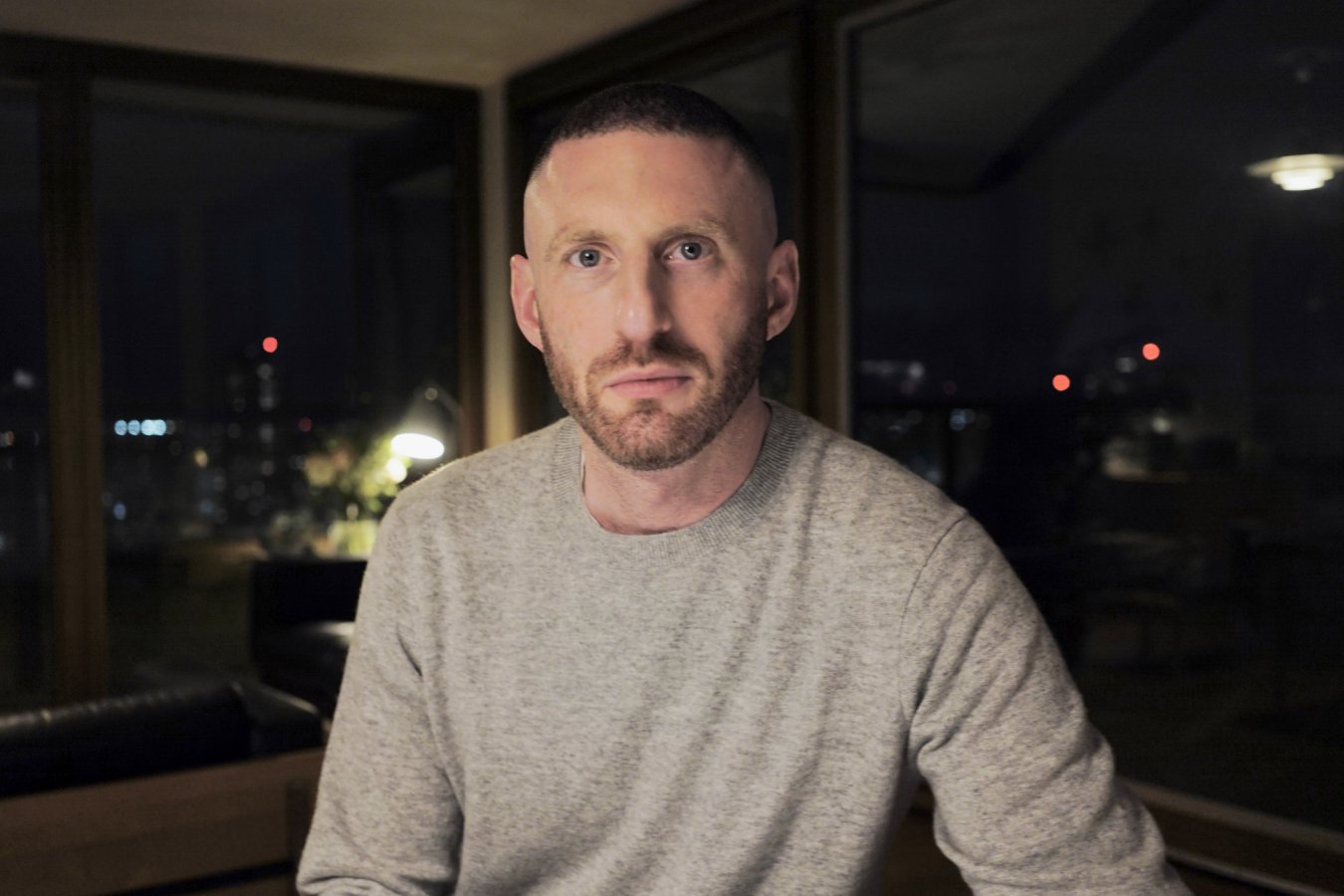
A documentary aired by Channel 4 in the United Kingdom suggesting that attention deficit hyperactivity disorder (ADHD) may not be a real condition has generated criticism from experts who question the programme's scientific accuracy. The documentary, presented by Max Pemberton, a doctor in the National Health Service, proposes that ADHD is an arbitrary concept invented by popular consensus.
Critics point out that the claim that ADHD is a new condition is false. A documented medical description of what is now known as ADHD dates to 1798, when Alexander Crichton of the Royal College of Physicians described people with problems maintaining attention long enough to complete tasks, referring to them as people with "the nerves". Since then, the condition has been described medically many times under different names.
Although Pemberton correctly points out that diagnostic rates have increased in recent years, diagnoses in the United Kingdom remain below population prevalence estimates from around the world. Studies examining large groups of people report ADHD rates of around 5 per cent in children and 2 to 3 per cent in adults. However, an analysis published in The Lancet this month found that only 1 per cent of the population has a diagnosis in England, suggesting that ADHD is underdiagnosed.
The documentary also suggests that ADHD is a social construct, not a neurodevelopmental condition. While it is true that ADHD cannot be diagnosed through a brain magnetic resonance scan, this also applies to most psychiatric and neurodevelopmental conditions, which are diagnosed by evaluating symptoms and their effects on the person's functional capacity. Neuroscientist Katya Rubia of King's College London told New Scientist that "biased programmes like this that push the idea of ADHD as a mythical entity are irresponsible and will have harmful effects".
Experts stress that there is evidence that treatments, whether pharmacological or otherwise, improve quality of life and self-esteem, and that undiagnosed and untreated ADHD increases the risk of mental and physical health problems, substance abuse, criminality and suicidal ideation. Channel 4 declined to comment, and Pemberton did not respond to a request for comment.