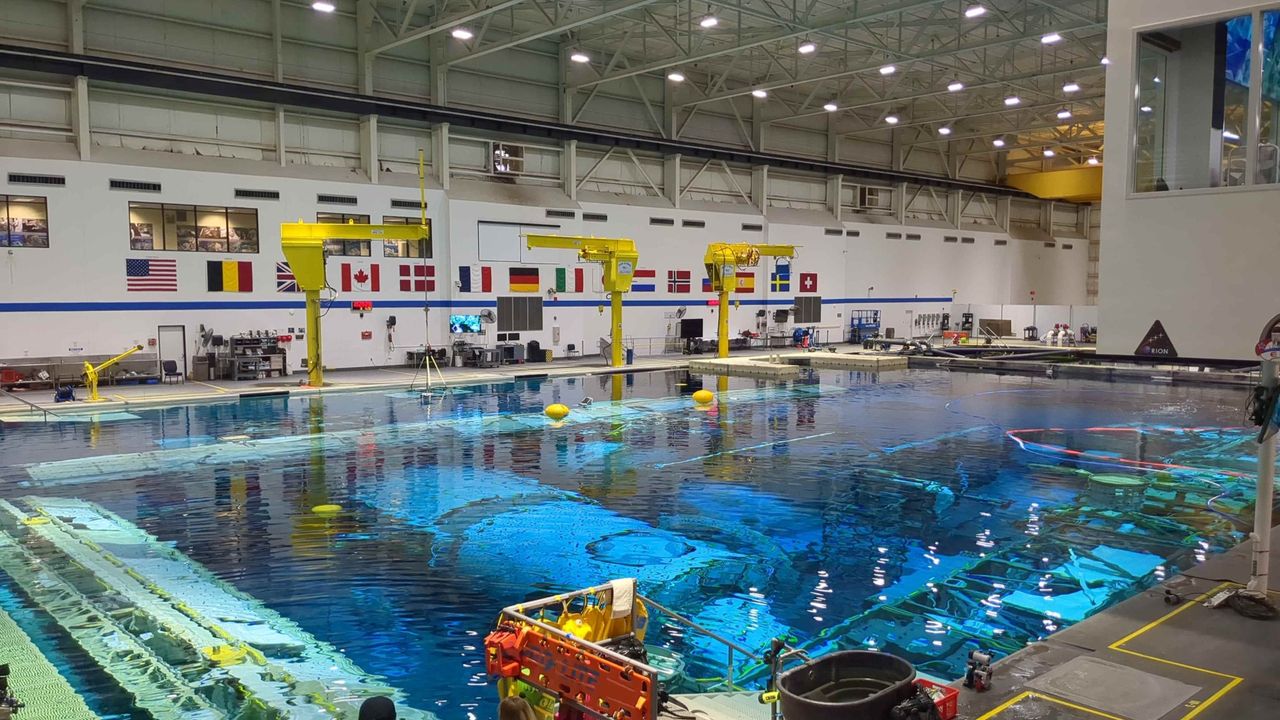
HOUSTON — NASA's astronaut training centre currently presents an interesting mix of government agencies and private companies working together to keep American and international astronauts operational until the end of the International Space Station, expected around 2030, and the new commercial space stations anticipated to replace it.
NASA noted that the agency's Commercial Low Earth Orbit Destinations programme aims to have private space stations for astronauts when the International Space Station retires. The agency distributed initial-phase contracts valued at approximately 415 million dollars in 2021 to three teams led by Nanoracks, Blue Origin and Northrop Grumman.
The Mission Control Room at the Johnson Space Centre contains several dedicated control centres for different purposes, including a historic Apollo control room and another used alternately for Boeing Starliner and Artemis missions. Controllers continuously monitor astronauts in orbit, observing indicators such as whether they are loaded with equipment, which would suggest it would not be a good time to communicate unless urgent.
The Spacecraft Vehicle Models Facility, known among Johnson Space Centre workers as Building 9, is constantly changing, as modules are constantly moved within the facility for different missions. The facility's current aim is not only to support NASA missions but also private industry, providing physical space and hardware to simulate problems that could arise in space.
Astronaut training includes emergency procedures such as cardiopulmonary resuscitation in microgravity and fire alarm protocols, in which astronauts learn to quickly gather their team in a "safe haven" with communications and computers available to speak with Earth.