Cameras installed on fishing vessels documented prohibited operations in Chilean industrial fishing. An investigation identified illegal discard of toothfish on the vessel Unzen in 15 of the 17 times the net was cast into the sea, according to findings released this week.
In Peru, experts warn of risks for the environmental sector following the announcement by Keiko Fujimori's government of a request for legislative powers to Congress. A draft bill proposed shortening environmental processes and creating fast-track approval mechanisms for energy and hydrocarbon projects, measures which according to experts could facilitate extractive activities in protected areas.
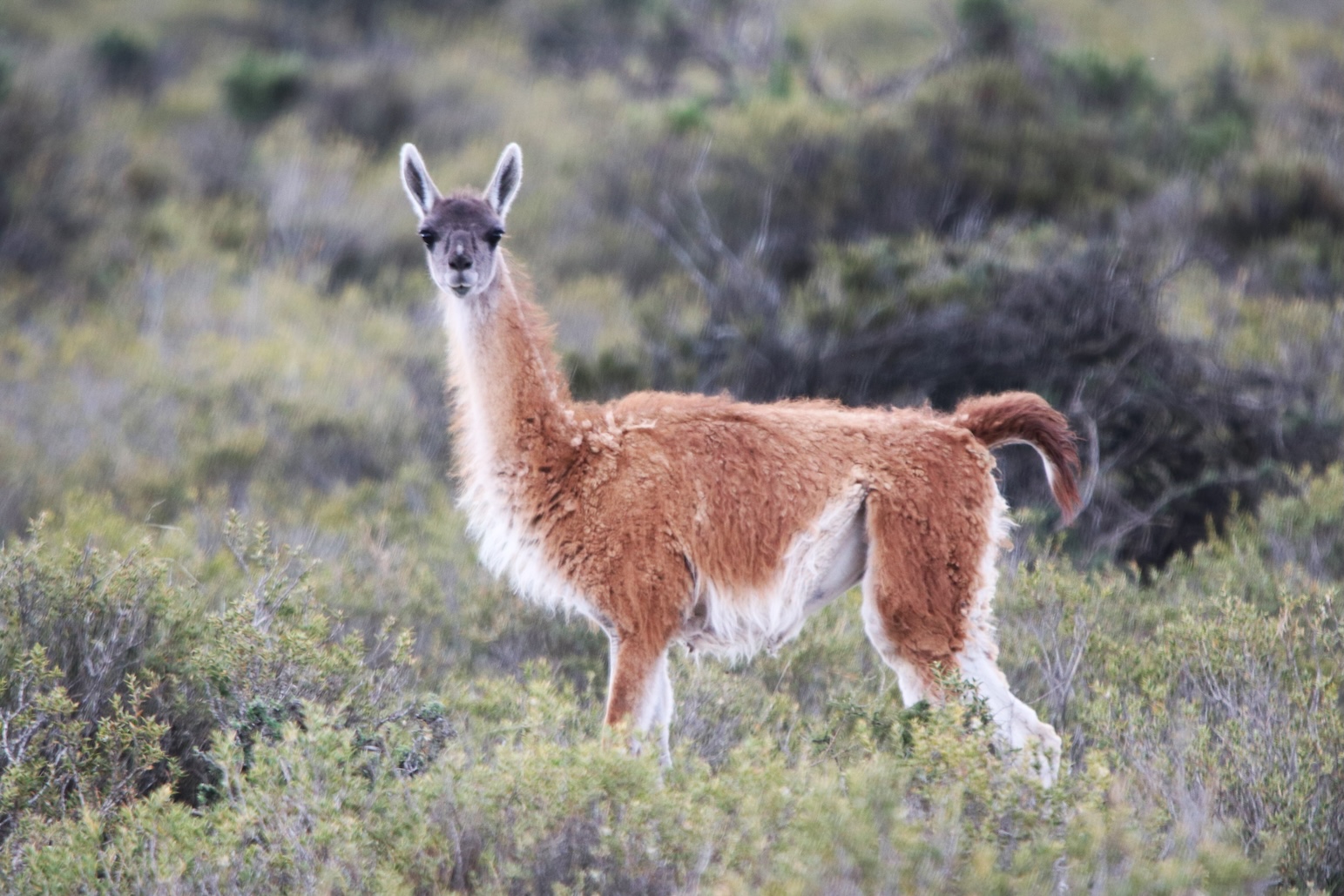
In Argentina, a scientific estimate indicates that approximately two million guanacos would inhabit Santa Cruz province during the cold season. The study, conducted by the Provincial Agricultural Council, WCS Argentina and CONICET researchers, points to a population increase over the past decade.
In other developments, the federal prosecution in Amazonas sued Brazil's National Mining Agency for alleged negligence in oversight of mining operations in the Amazon. In Nicaragua, a report identified 62 mining concessions occupying more than 681,000 hectares in at least 18 indigenous and Afro-descendant ancestral territories.
A study published in Nature reveals how mercury from gold mining accumulates in insects in the Peruvian Amazon. The research examined 492 insects from nine groups in Madre de Dios and found that scavenger insects can accumulate up to 39 times more mercury than those that feed on plants.