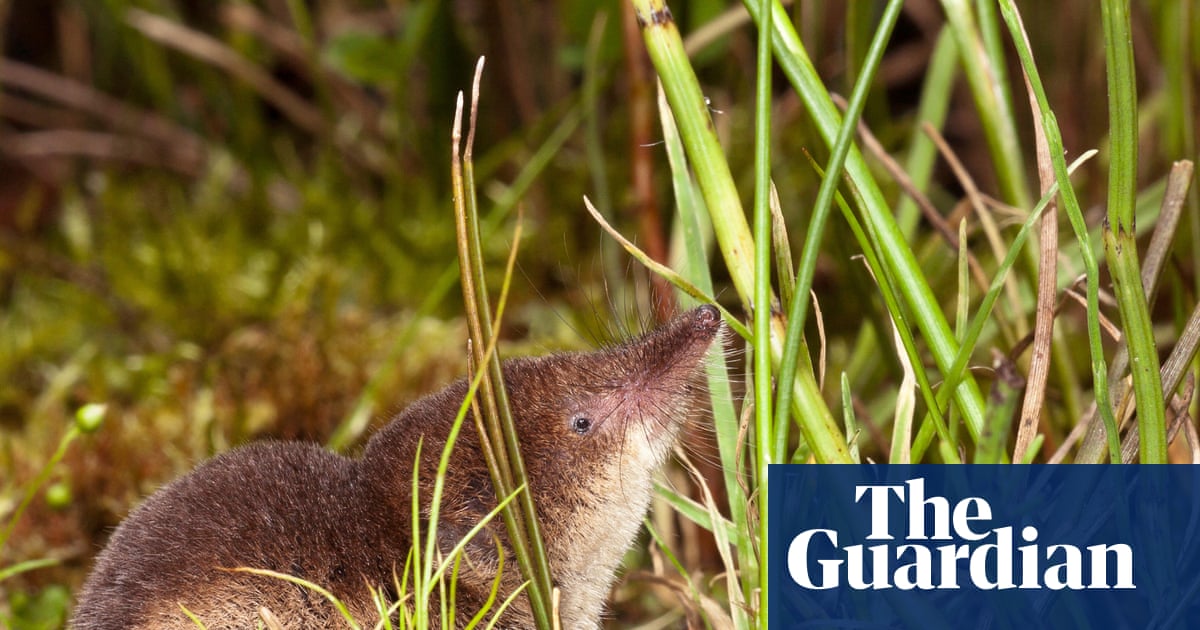
Long-clawed shrews cope with winter by enlarging their snouts even as their overall skulls shrink, according to a study of specimens from Japan. While skull size decreases during cold months, the animals' snouts elongate, researchers found.
Scientists have previously documented that certain small mammals, including common shrews and European moles, reversibly reduce their body mass, skull size and brain mass during winter, with regrowth occurring in spring. This strategy has been named Dehnel's phenomenon.
The long-clawed shrew's snout enlargement represents a different winter adaptation than the overall body shrinkage seen in related species.