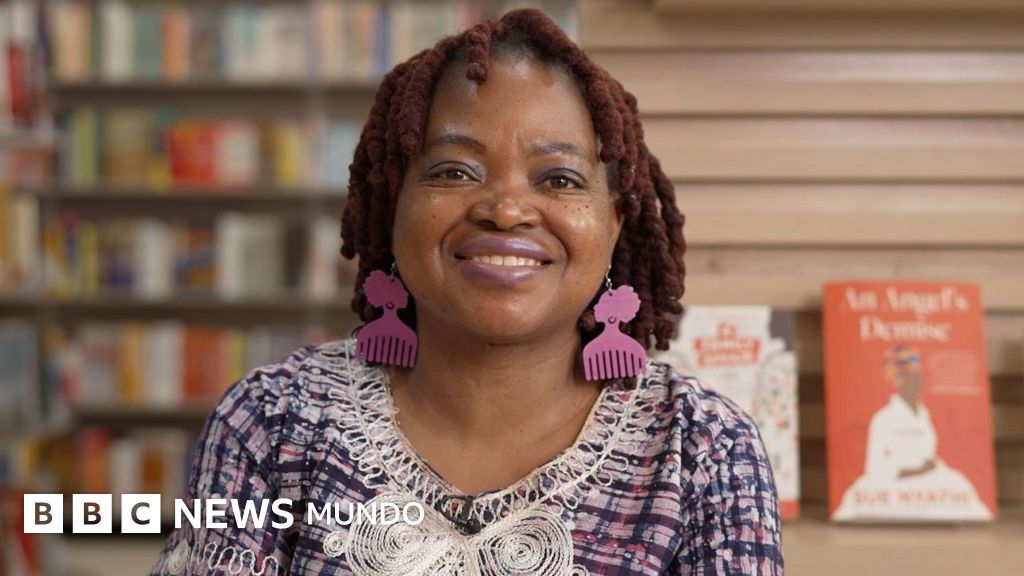
When Sue Nyathi, a Zimbabwean author, submitted her first novel "The Polygamist" to publishing houses, they concluded there would be no market for a book about a married man from Zimbabwe and the women he seduces. Nyathi found her own editor, a typographer and artist, and published 500 copies at her own expense in 2012.
The novel, which defied the predictions of the publishing houses, was recently adapted for Netflix and ranks among the ten most-watched series in over 60 countries, including Latin America. The series reached second place in the United States, according to platform reports.
Nyathi points out that the novel is not simply a story about polygamy. The author comes from a polygamous family on her mother's side for generations. Her grandfather, who died in 1979, had five wives, while her great-grandfather had eleven. Nyathi comments that in the family structure there were no internal conflicts because "everyone knew their place".
The novel focuses on a different version: supposedly monogamous men who lead polygamous lives in secret. Nyathi began observing this pattern when she worked as a young professional in Harare in 2001. "I am not against polygamy," Nyathi states. "What I am against is lack of control".
In the plot, the protagonist Joyce believes she is in a traditional marriage with her husband Jonasi, who secretly marries three other women. The novel explores how Jonasi's economic power limits his wives' autonomy, leaving them exposed to risks such as HIV transmission.
The Netflix series, filmed in Zulu with subtitles and relocated to South Africa, features fewer wives than the original book, which is entirely narrated by Jonasi's women. Nyathi expressed that she wanted to "highlight the voices of the women" so that each one could explain why she entered a relationship with an unfaithful man.
Women have written to Nyathi saying they see themselves portrayed in the characters, while some indicated they are married to men like Jonasi and wish to end their relationships. Following the series launch, Amnesty South Africa distributed guides on narcissistic abuse and steps for women to take action.
Although many have received the series positively, Geoffrey Mosiria, a public official from Kenya, called for it to be banned in his country, arguing that it confuses polygamy with fraud and abuse. Nyathi points out that culture evolves and practices can be diluted or corrupted, reflecting the consequences of this.
Nyathi worked in finance for nearly two decades before writing the novel at night after finishing her job. She abandoned her corporate career at age 40 to dedicate herself fully to writing.