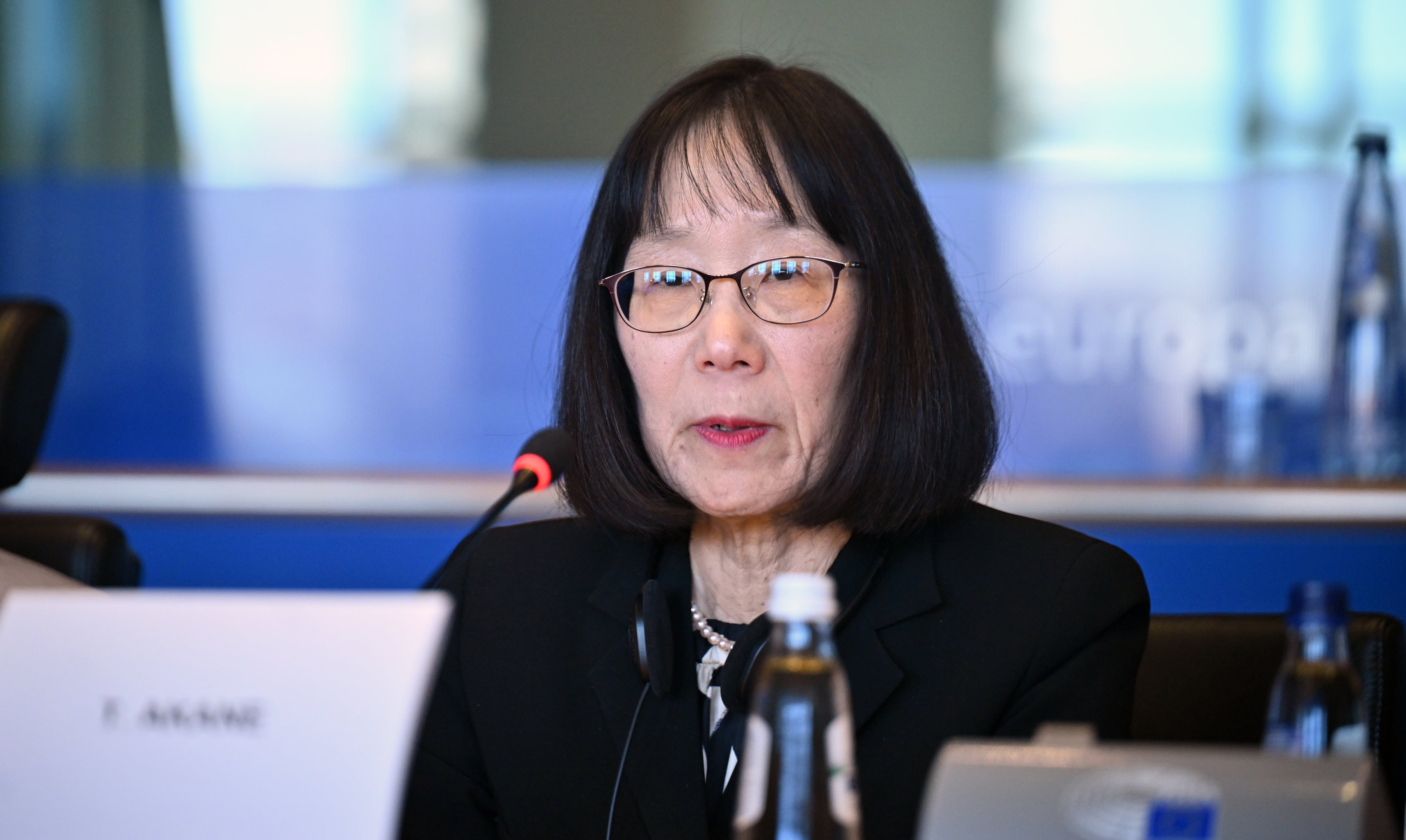
The United States announced on Tuesday sanctions against the president of the International Criminal Court (ICC), Japanese national Tomoko Akane, and Senegalese judge Abdoulaye Seye, who currently serves as the court's prosecutor. The sanctions include travel bans to the United States and freezing of assets in the country.
Secretary of State Marco Rubio said that these individuals have directly engaged in attempts by the ICC to investigate, arrest, detain or prosecute officials whose governments do not recognise the tribunal's jurisdiction. Rubio said that "the Trump administration has been clear: the International Criminal Court is a corrupt and fatally politicised supranational tribunal that has maliciously abused its authority and exceeded its mandate".
The ICC quickly responded, condemning the sanctions in a statement in which it noted that these measures "undermine the rule of law". The tribunal added that "when justice actors are threatened for enforcing the law, it is the international legal order that is put at risk".
The White House has imposed sanctions on several judges and prosecutors of the ICC, primarily for their investigations into Israel. In 2024, the tribunal issued arrest warrants against Israeli Prime Minister Benjamin Netanyahu and former Defence Minister Yoav Gallant, over the war in Gaza. Netanyahu praised the sanctions on social media.
In the United States, human rights organisations filed a lawsuit in New York challenging the sanctions. Four organisations, including Human Rights Watch, argued that these measures should be struck down because they violate, among other things, the right to freedom of expression protected by the United States Constitution.