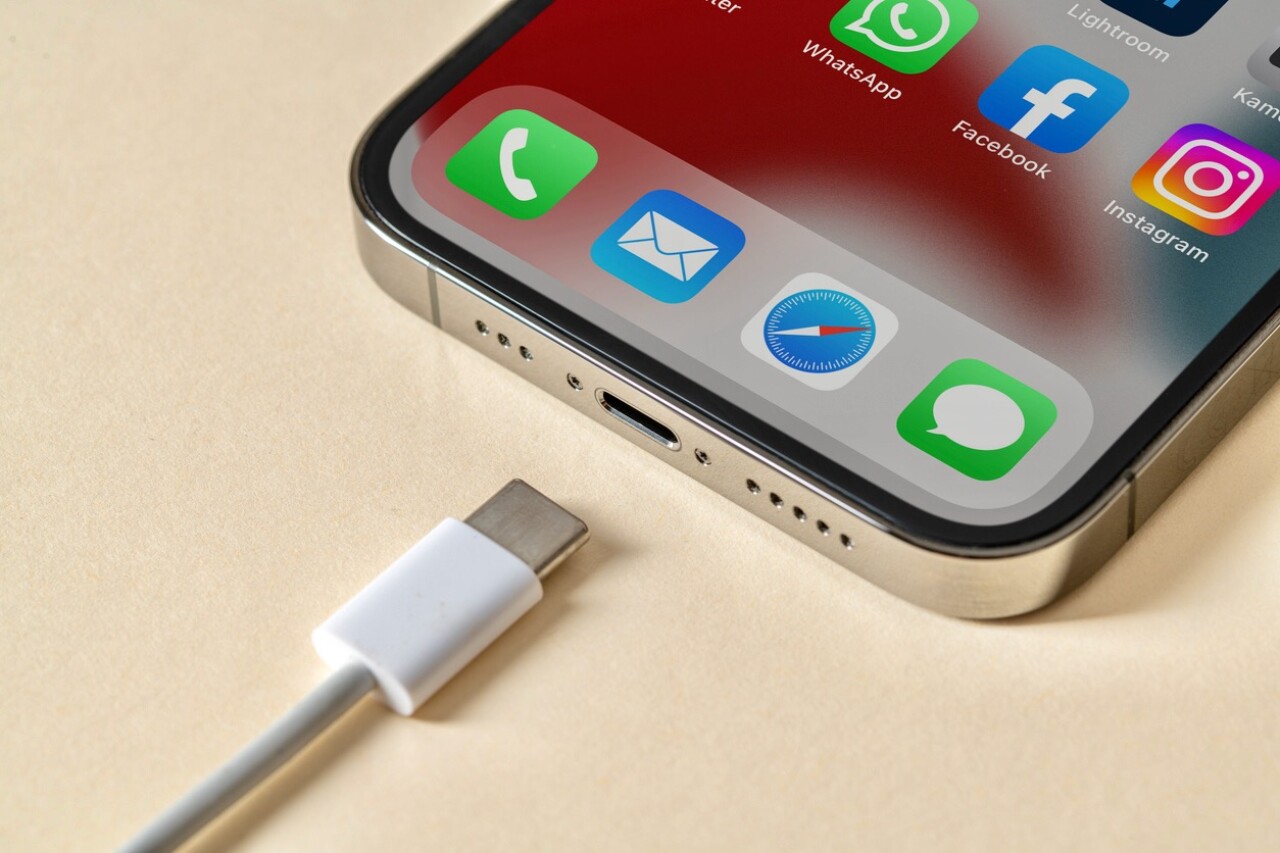
The absence of the headphone port, known as the audio Jack input, has become increasingly noticeable on modern mobile phones. Although this feature was present for years on phones from virtually all manufacturers, its disappearance has become widespread across a wide variety of models.
Phones are in constant evolution, incorporating new technologies, processors and cameras, which forces manufacturers to do without certain elements. With the arrival of Bluetooth headphones, conventional audio ports became a component that could be eliminated.
Another decisive factor is water and dust resistance. The physical audio port functioned as an external entry point to the device, and by eliminating this hole, technologies can be implemented more effectively to reduce the effects of contact with dust or liquids.
In some cases, this decision also responds to commercial considerations. By eliminating the physical headphone input, manufacturers force users to purchase Bluetooth devices, which generates additional revenue in the accessories ecosystem.