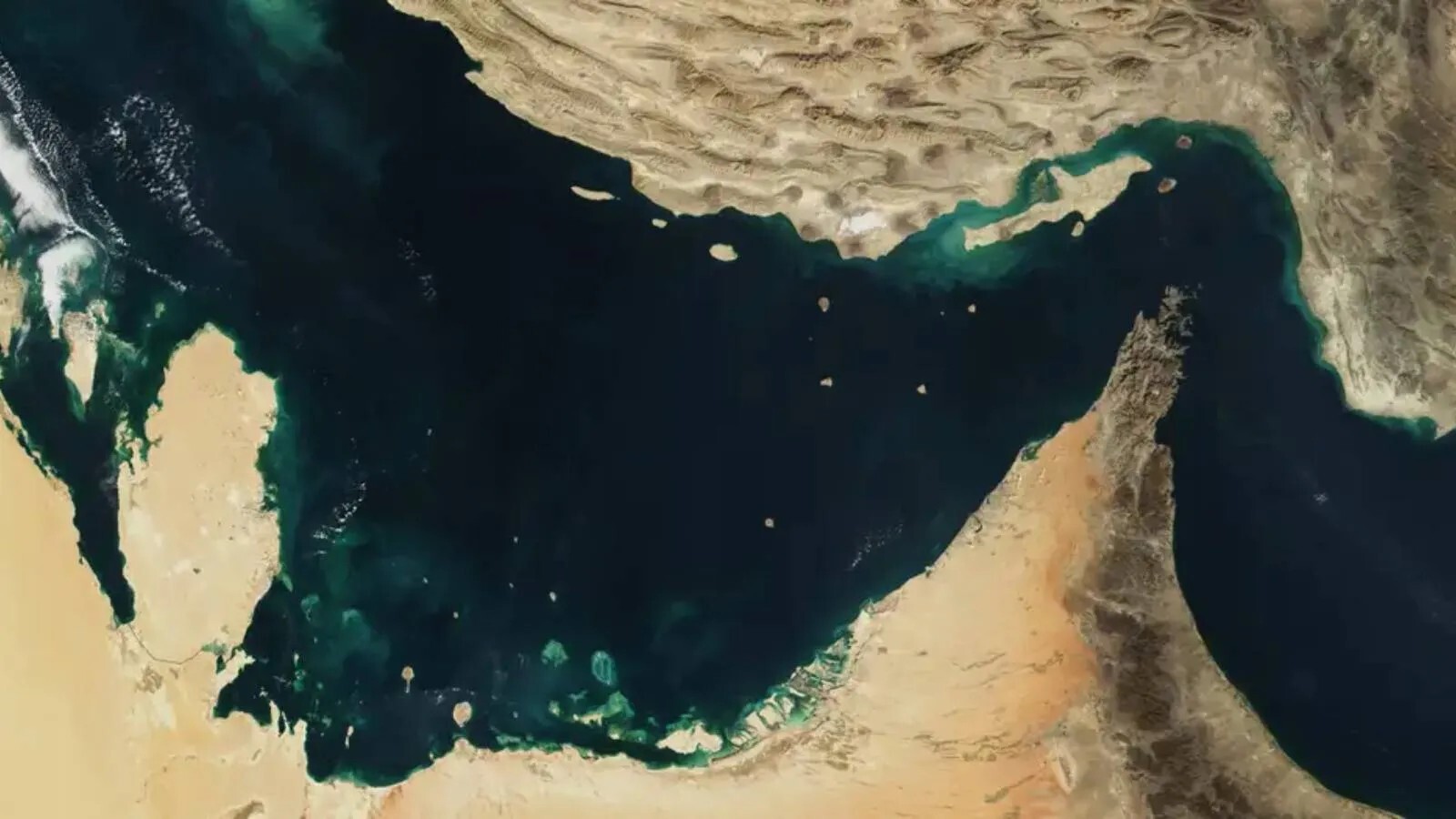
The ceasefire between the United States and Iran concluded without achieving progress in peace negotiations or the reopening of the Strait of Hormuz. President Donald Trump is preparing announcements this week on a new blockade against Tehran and his plans to keep merchandise traffic open through the strategic waterway.
Trump threatens to unleash all-out economic warfare against the Islamic Republic, which could indefinitely prolong the closure of the world's main artery for oil and gas transit, according to analysts' estimates. Brent crude exceeded $90 per barrel after posting gains of more than 15% over the past two weeks. TTF gas at the Dutch hub rose to €62.3 per megawatt/hour, 19% above figures from early August.
Naval flow through the strait has decreased drastically: only three vessels crossed the passage last Sunday, compared with 15 to 20 daily in recent days according to Kpler, and far below the 130 that crossed daily before February. Treasury Secretary Scott Bessent threatened Iran with economic measures "never before seen", including economic isolation and continued blockade of the strait. Defence Secretary Pete Hegseth said the US military was trained to maintain a blockade by rotating personnel deployed in the area.
However, Washington must assess economic viability. The war in Iran has cost the Treasury more than $40 billion, with indirect losses exceeding $80 billion according to conservative estimates. Maintaining a large-scale operation at Hormuz would require approximately $500 million daily, according to calculations for the Liberty Project carried out in May, in addition to involving military, civilian, economic and reputational risks.
Iran rejected the extension of the ceasefire and announced yesterday a bounty of $30,000 for the capture of each US soldier in the Middle East, a figure that doubles for women. Iranian Foreign Ministry spokesman Ismail Baghaei assured that Tehran had reached an agreement with Oman to establish safe maritime routes through the strait. Trump threatened yesterday on Fox News to bomb Oman "without mercy" if the Arab country "gets in the way" of the dialogue between Washington and Tehran over control of the strait.