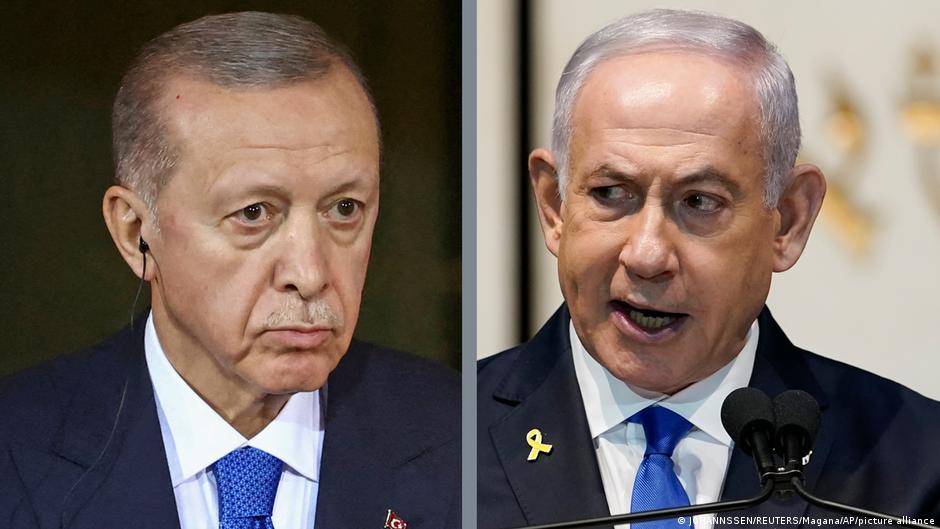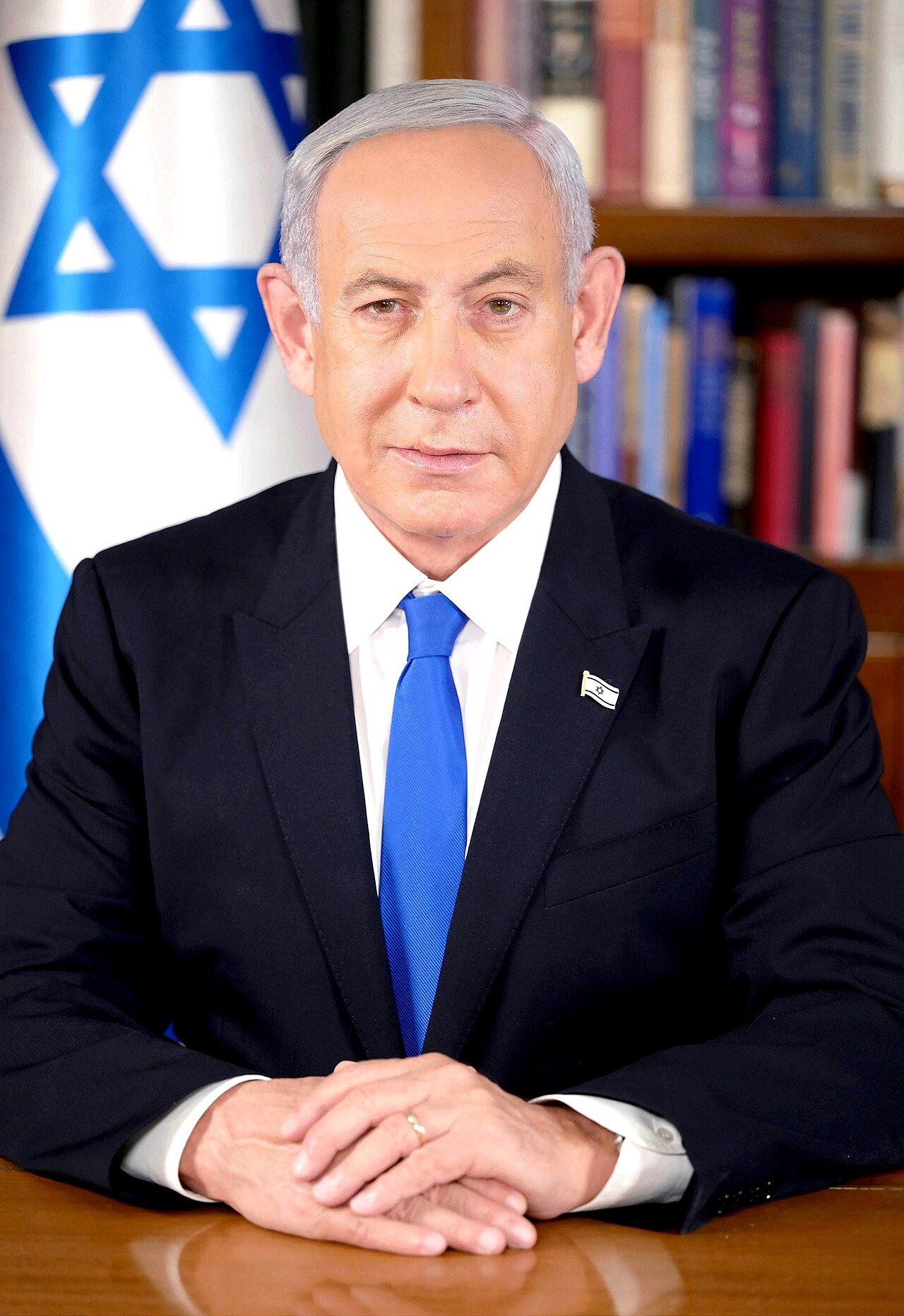
A statement issued by the UAE Ministry of Foreign Affairs has triggered a wave of debate across Israel's political and media landscape, with prominent Hebrew-language outlets reading it as a direct setback for Prime Minister Benjamin Netanyahu — in both its substance and its timing.
The official statement stressed that "the Government of the United Arab Emirates does not comment on media stories or speculation regarding conversations between heads of government," affirming that Abu Dhabi's engagement since October 7 has been consistently directed toward de-escalation, strengthening regional stability, and preventing violence.
It added that channels of communication between Emirati and Israeli government bodies have remained open and direct since relations between the two countries began more than five years ago, and that relevant information has been — and continues to be — exchanged between the concerned parties whenever necessary.
Israeli Media: The Official Narrative Undone
The statement drew sharp reactions inside Israel, where Hebrew media argued that Abu Dhabi was moving to shut down the leaks and narratives circulated by certain Israeli political circles in recent weeks.
Channel 13 described it as a "harsh blow" to Netanyahu, saying the statement exposed the failure of his attempts to push the UAE into issuing a public position that would serve his political interests — and dismantled the account his government had sought to promote regarding the nature of ongoing contacts with a number of Arab states.
Channel 14 went further, framing the episode as the UAE "letting Netanyahu down," and suggesting that political mobilization and mounting opposition inside Israel may weigh more heavily on regional positions than the prime minister's bets on his foreign relationships.
The Hebrew outlet Kan called the day the statement was released a "black day" in Netanyahu's political career, noting that he absorbed two simultaneous blows: the Emirati statement on one side, and the British position — issued jointly with eleven other countries — on settlements on the other. The site concluded that the message taking shape internationally is that many parties are no longer willing to bet on a "losing horse."
A Highly Sensitive Moment
The statement lands at a point when pressure on Netanyahu's government is compounding — from the fallout of the ongoing war to deepening divisions within Israel's political arena — and only weeks before significant domestic milestones.
Observers argue the statement's significance goes beyond denying media speculation: it reasserts the constants of Emirati policy, built on supporting stability, lowering escalation, and staying out of political and media disputes. And while Abu Dhabi continues to press its call for calm and political solutions, the echo of its statement has outgrown its diplomatic dimensions to become a central topic of debate inside Israel — where Hebrew media read it as one more sign of the scale of the challenges facing Netanyahu at this stage.