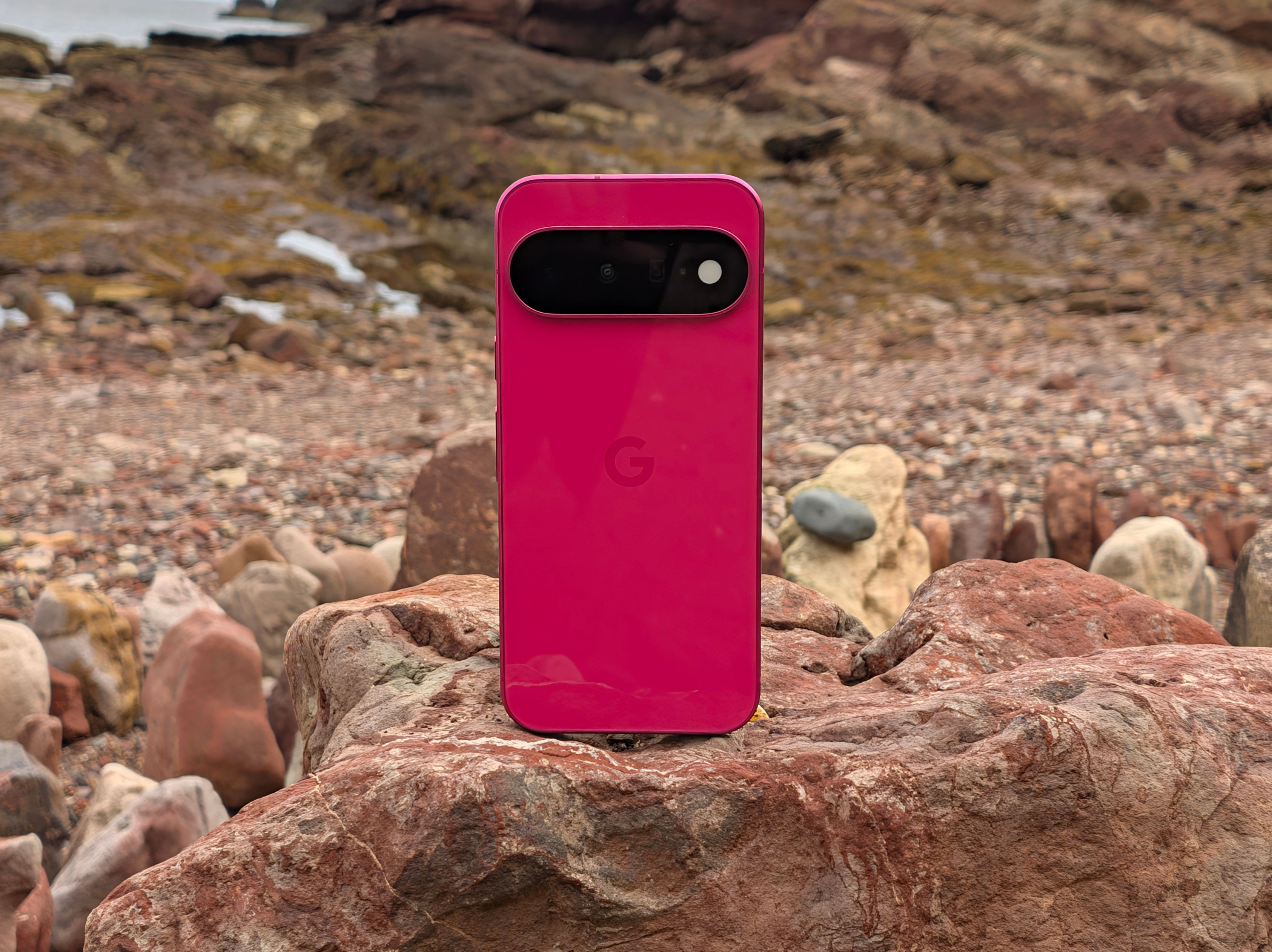
The Pixel 11 comes in four colors: Hibiscus, Pistachio, Frost, and Obsidian, with Indigo discontinued from last year's lineup. Unlike previous generations, Google has reserved the more vibrant shades for the standard Pixel, leaving the Pro models with more subdued options.
The 6.3-inch phone is noticeably easier to handle one-handed compared with last year's Pixel 10 Pro XL, despite being slightly thicker. The device maintains a similar profile to the Pro model, allowing cases to be used interchangeably. The phone is susceptible to damage, with paint scuffing observed after a minor drop.
The display matches last year's specifications: a 6.3-inch OLED screen with 1080 x 2424-pixel resolution and 60 or 120 Hz refresh rates. The screen defaults to 60 Hz, requiring manual adjustment for the smoother 120 Hz option. Peak brightness reaches 3,000 nits, though the display is slightly less bright and sharp than the Pro model, with visibly larger bezels.
The new Tensor G6 chip delivers 20 percent gains in power efficiency, 25 percent faster browsing, and 15 percent faster app loading compared with its predecessor. The device includes 12 GB of RAM and 256 or 512 GB of storage options. For routine tasks like app loading, web browsing, and video doorbell notifications, the phone performed responsively. However, gaming performance proved limited, with the action-heavy title Wuthering Waves experiencing stuttering and dropped frames even on balanced graphics settings, and the battery declining from 40 to 26 percent after one hour of play. Less demanding games ran smoothly.
In the United States, the Pixel 11 uses only eSIM connectivity, eliminating the physical SIM card slot. The device's Face Unlock feature does not function in darkness. The fingerprint unlock performs comparably to competing devices.