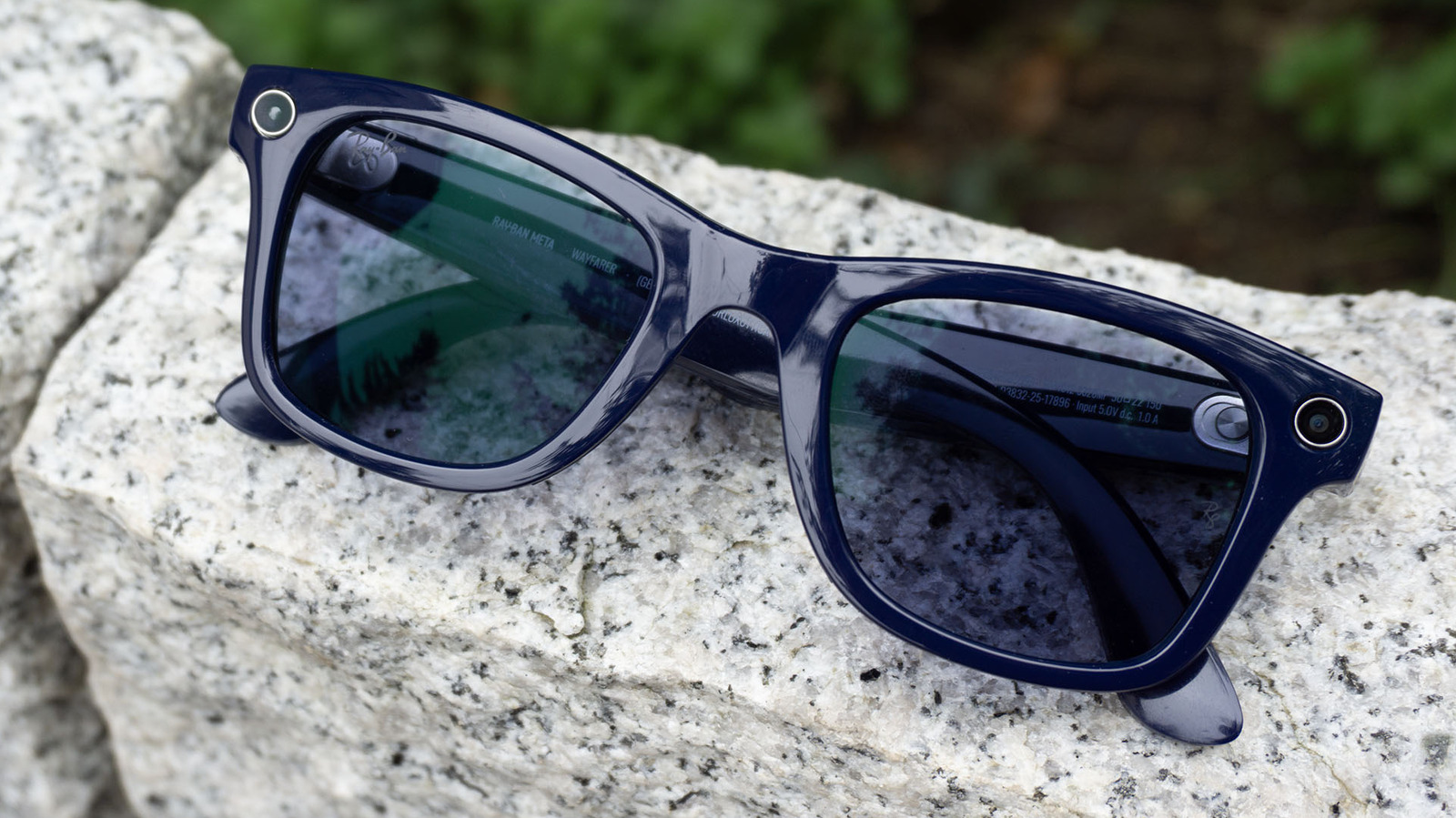
US Immigration and Customs Enforcement (ICE) informed its employees that they are not permitted to use Meta smart glasses while working. According to The New York Times, a memo sent to staff stated that "the use of Meta Glasses or similar devices could capture, record, or transmit sensitive information unintentionally, potentially compromising privacy and legal protections".
The policy apparently covers all agency employees, not just field agents. A Department of Homeland Security spokesperson told The NYT that workers have always been prohibited from using "personal-owned body cameras". While the memo may be a clarification of an existing policy, the fact that ICE sent such a communication underscores how Meta's smart glasses have become increasingly visible during the intensification of immigration enforcement in the United States.
ICE agents and Border Patrol and Customs (CBP) agents have been repeatedly spotted using Meta smart glasses in recent months. According to 404 Media, in one case a CBP agent was seen recording with his smart glasses despite the policy. In another instance, a Border Patrol member was wearing a pair during an immigration raid. There have been similar sightings in at least six states, according to an investigation by The Independent.
However, while the Department of Homeland Security now advises staff not to use smart glasses while working, the agency reportedly is interested in pursuing an official version of the technology. Budget documents reported by independent journalist Ken Klippenstein indicate that ICE expects to equip its officers with customised smart glasses that have "biometric identification capabilities" by next year.
Although Meta has not publicly commented on whether its product is appropriate for law enforcement, a partnership with ICE would probably not win new defenders for the company. The company faces increasingly intense backlash against the product. Unreleased facial recognition software created by Meta has heightened fears about how the device could be used for surveillance. The smart glasses' supposedly privacy-protecting LED also turned out to be easy to bypass.