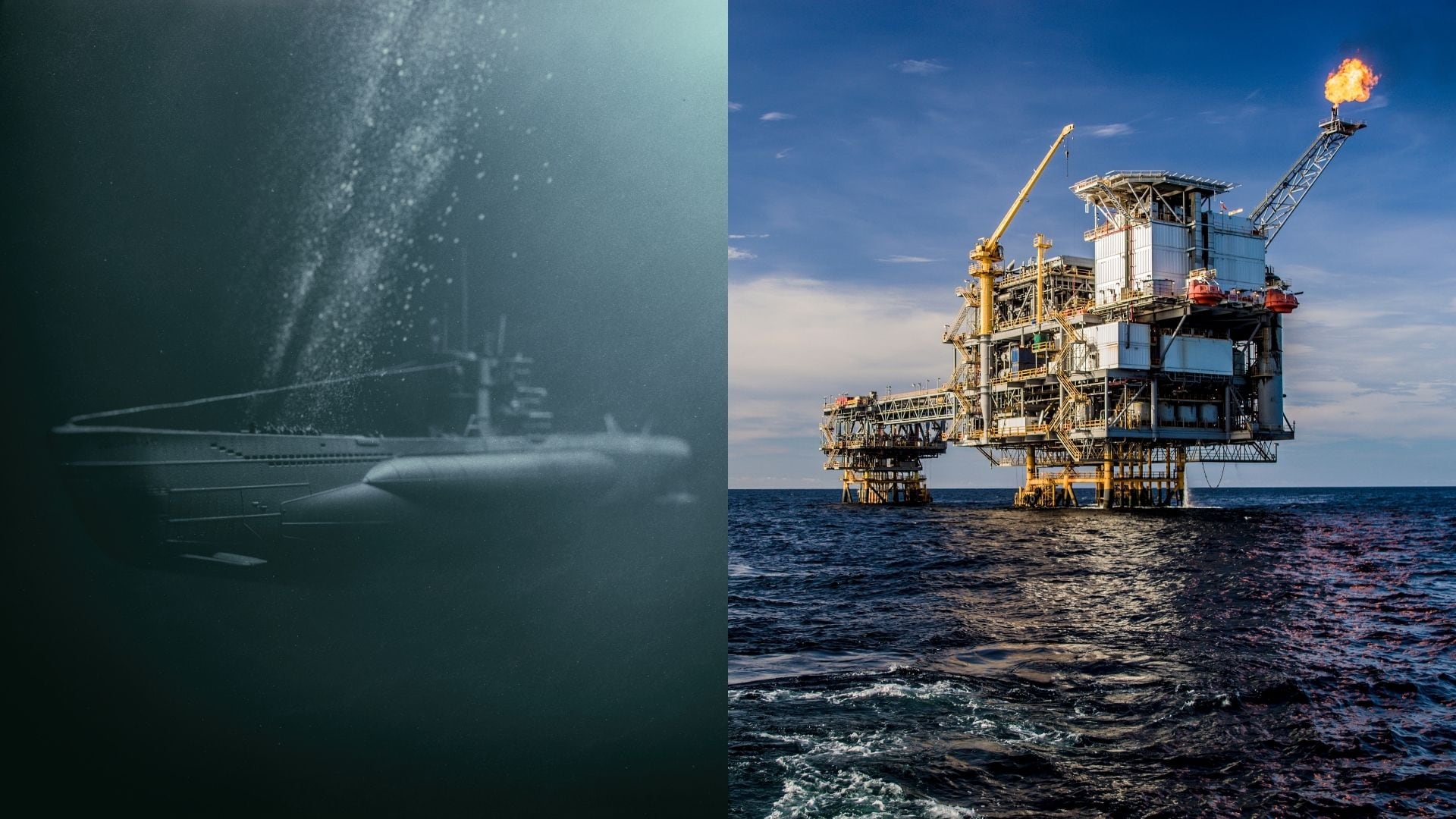
Japan will conduct a large-scale test in February 2027 to extract rare earths at approximately 6,000 metres depth near Minami Torishima island in the Pacific Ocean. The initiative follows a mission that succeeded in recovering several tonnes of seabed material containing elements such as yttrium, gadolinium and dysprosium, used in semiconductors, electric vehicles and other technologies.
Japan seeks to exploit a significant rare earth deposit located near the island. These minerals are fundamental to the manufacturing of electronic devices, electric motors, wind turbines and systems used in strategic sectors. The Asian country is trying to diversify its supply sources, as China accounts for a large part of global rare earth production and processing.
Japan achieved significant progress this year, when a mission from the Japan Agency for Marine-Earth Science and Technology recovered sediments rich in rare earths from depths of between 5,700 and 6,000 metres. At that depth, the enormous pressure and ocean conditions make operations difficult, so it will be necessary to use specialised equipment controlled from ships on the surface.
There is concern about the environmental impact of deep-sea mining, which could alter little-known ecosystems and cause the dispersal of particles through ocean currents. Furthermore, it is still unclear whether the process will be profitable due to the high costs of extraction, transport and processing.
Japan will have to demonstrate that submarine mining can be technically viable, economically sustainable and environmentally responsible. Whether these explorations move from being a technological test to becoming a new source of minerals for the world depends on this.