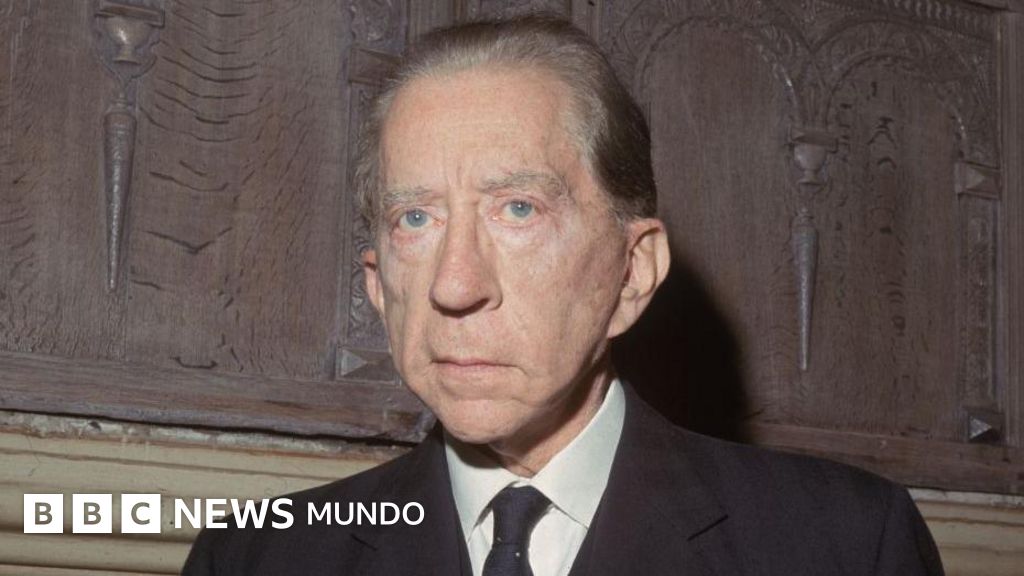
Jean Paul Getty acquired Sutton Place, a 16th-century Tudor mansion in Surrey, in 1959. A year later, in July 1960, he organised a party that cost the equivalent of US$400,000 in today's values, attended by more than 2,000 members of high society, aristocrats and celebrities.
The American oil magnate, fearful of travelling by plane or across the Atlantic, lived in the 72-room mansion until his death in 1976, at the age of 83. In that house he installed public coin-operated telephones so that guests would not run up large long-distance telephone bills.
Getty entered the Guinness Book of Records as the world's richest man in 1966. He had made his first million dollars at 24, when oil was discovered in an oil field he owned in Oklahoma. By the time of his death, his fortune was estimated at around US$4,000 million, equivalent to US$23,500 million in today's values.
The businessman attributed part of his success to his father, who in 1903 acquired 1,100 acres in Oklahoma for US$5,000 and found oil. When his father died in 1930, at the age of 74, he had a fortune of US$10 million but left Getty only US$500,000, disapproving of his previous marriages. Getty was married five times and had five children, which gave him 19 grandchildren.
Getty surrounded himself with symbols of wealth despite his well-known avarice. His collection at Sutton Place included works by Veronese, Gainsborough, Renoir, Rembrandt and Rubens, more than 600 pieces in total that were also displayed at his Malibu ranch, open to the public since 1954 as the J. Paul Getty Museum. After acquiring the mansion, he fortified the 300-hectare property with sophisticated security systems, railings on doors and windows, and "No Trespassing" signs throughout the estate.