A company planning to beam sunlight from space to Earth on demand could inadvertently illuminate the night sky for far more people than intended, according to new research. Reflect Orbital has plans to launch a test satellite this year that will deploy an 18-by-18-metre mirror in orbit, with the eventual goal of launching up to 50,000 larger satellites that would reflect sunlight to Earth on demand.
Reflect Orbital contends that the technology could extend sunlight for charging solar panels, emergency response and military activities. However, new research suggests that the giant beams could shine as brightly as 10,000 full moons and scatter light across tens of kilometres, raising concerns about dark skies, aviation and wildlife.
When Insilico Medicine used its computer models to propose a promising drug for pulmonary fibrosis, it enthusiastically claimed the molecule had been "discovered by" generative artificial intelligence. However, when it filed a patent application, the company did not mention the AI. Instead, it named five humans as the drug's "inventors".
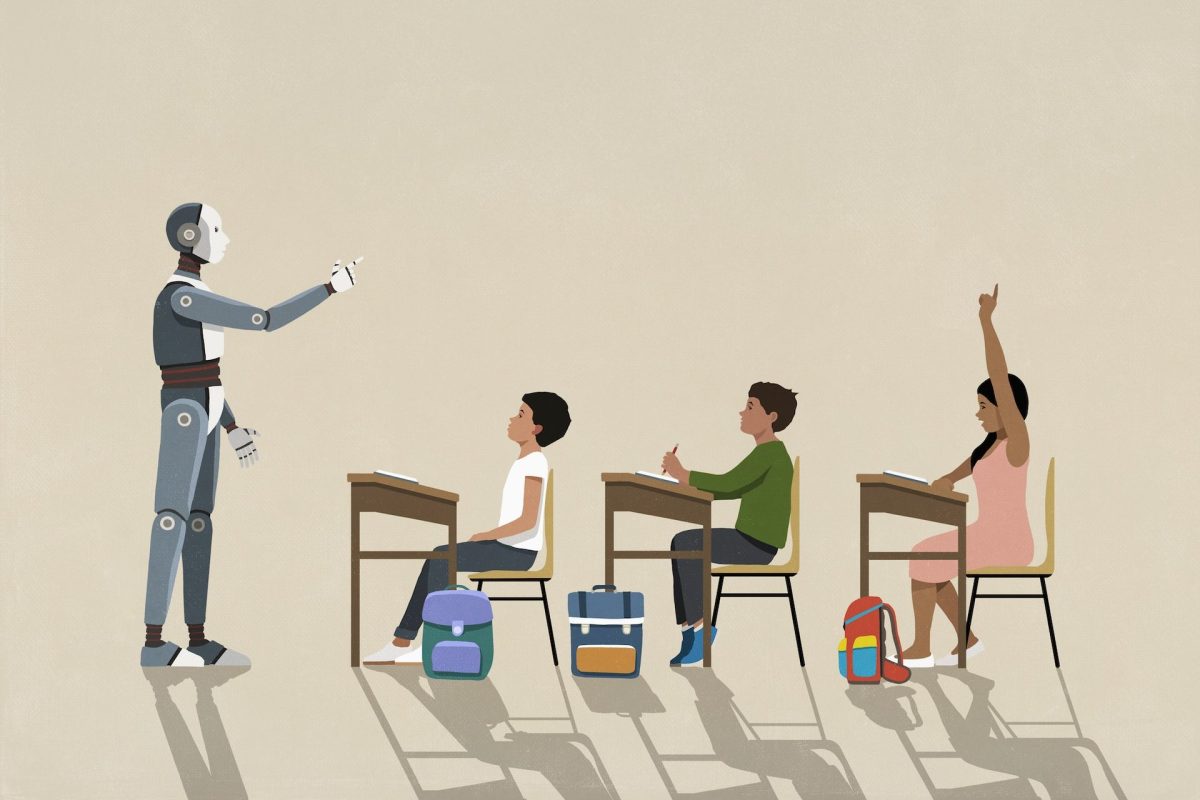
The discrepancy exposes a fascinating aspect of intellectual property law. No matter how fundamental an AI may be to a discovery, when it comes to securing rights over an invention, only humans can claim credit. According to officials, no AI system can be named as an inventor in patents.
As AI models become capable of generating drug designs with the same ease that ChatGPT can write a thank-you note, the question of who actually invented something could become far harder to answer.