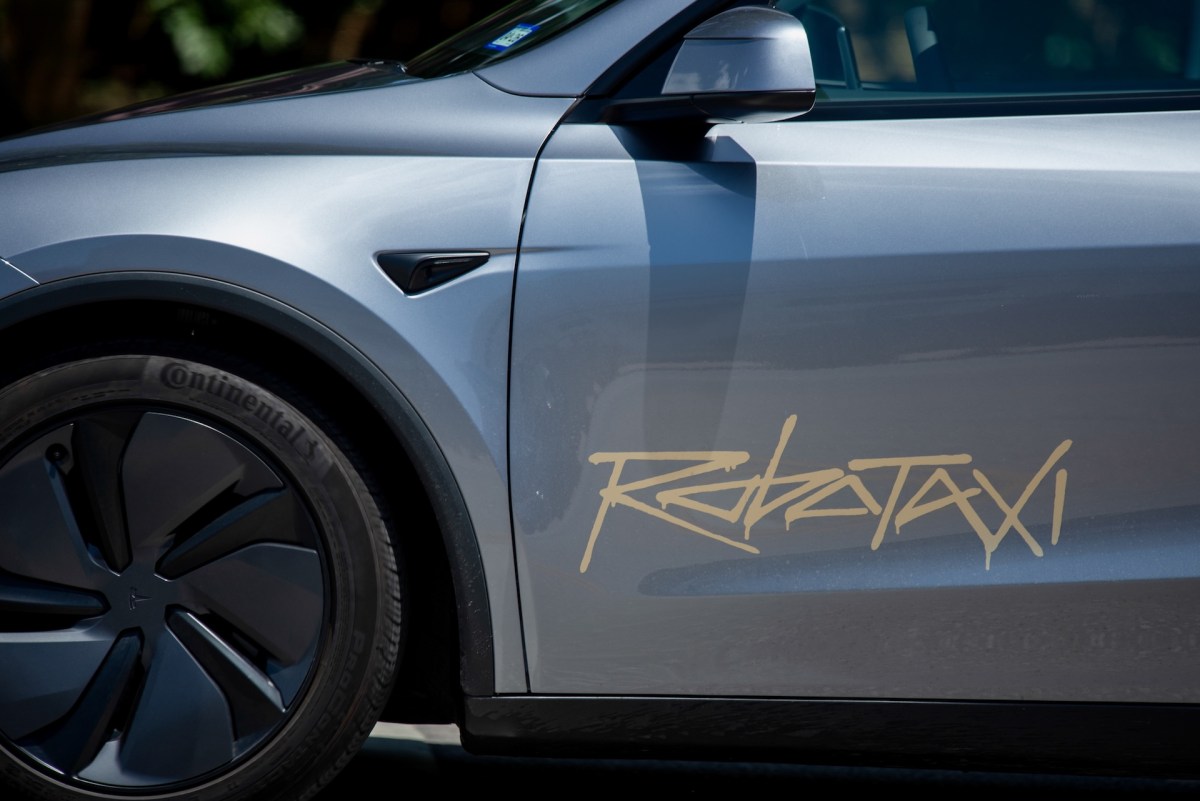
Nevada's Transportation Authority unanimously approved on Thursday three permits allowing Tesla, Uber and Waymo to operate commercial robotaxi services in Clark County, home to Las Vegas. Together, these permits would allow the deployment of up to 8,000 robotaxis in the county over the next 12 months.
Tesla's permit allows it to deploy up to 5,000 robotaxis, while Waymo is authorised to operate up to 1,000 autonomous vehicles in the coming year. Uber was also approved for 1,000 robotaxis, which it will operate through partnerships with Motional, a Hyundai subsidiary, and Zoox. Zoox already holds an autonomous vehicle network permit allowing it to operate 100 robotaxis.
Whether these companies will successfully deploy that many robotaxis is an unanswered question. Testimony from representatives of Tesla and other companies suggests the answer is no. Eric Early, Tesla's Cybercab chief engineer, said during the meeting that "the 5,000 have always been a ceiling for us" and that he does not believe they are "in a position to deploy 5,000 vehicles in this next year, and it's not [because of] the technology". He added that they would be "extremely happy and satisfied if we could get to 2,500, perhaps a little more than that in the next year".
Even if these three companies deploy only half of those totals, Clark County—and Las Vegas specifically—is shaping up as an important robotaxi battleground, with Tesla, Uber through its autonomous vehicle partners Motional and Zoox, and Waymo competing for the same passengers. That kind of rapid, large-scale robotaxi deployment is set to transform the city, and specifically its workforce.
Representatives of the Limousine Operators Association and local taxi companies opposed the permits, arguing that the approvals are moving too quickly. Kimberly Maxson-Rushton, an attorney representing the Limousine Operators Association, said at the hearing that "these requests raise two serious concerns: one addresses excessive saturation of the commercial transportation industry in general in Nevada" and "the second addresses road congestion, and specifically the Golden Triangle".
Uber has attempted to position itself as the middle option in this contest, advocating for a hybrid approach in which ride-sharing networks are composed of both humans and robotaxis. The company has even pushed for a system that would require robotaxis to operate on a ride-sharing network that also uses human drivers, a position that puts it at odds with Waymo. Uber made a similar argument during the Nevada Transportation Authority meeting, noting that a hybrid approach would allow cities to gradually integrate vehicles to meet peak demand rather than flood the market all at once.