For years, intercontinental flights followed a predictable model: increasingly larger aircraft concentrated thousands of passengers through major hubs like London, Frankfurt, Dubai and Doha. The Airbus A380 represented the ultimate expression of this strategy, although currently more airlines are abandoning this model.
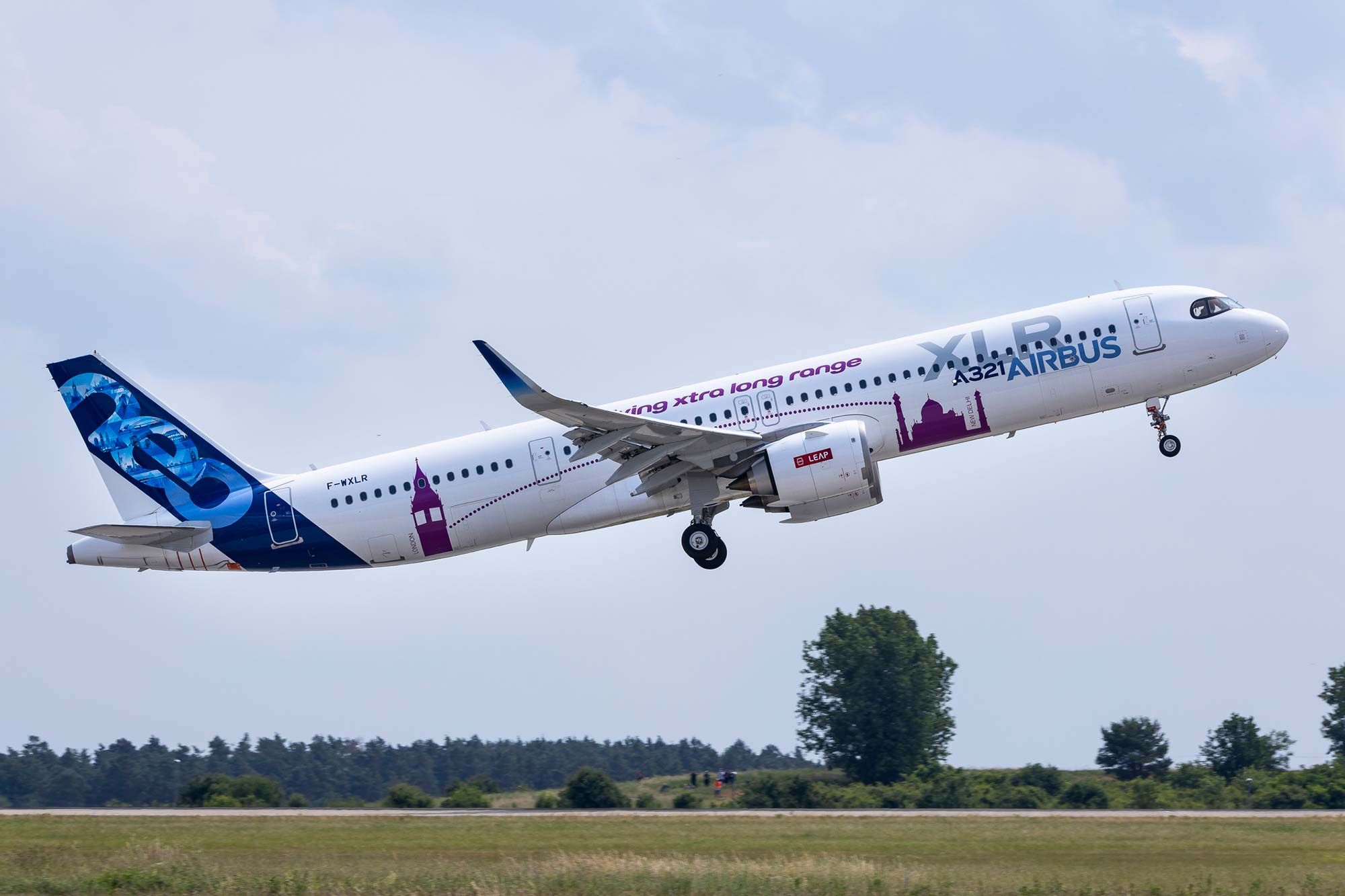
The trend is now reversing. The Airbus A321XLR, a single-aisle aircraft with an appearance similar to short-range models like the A320 or B737, is redefining international air connections. The model allows airlines to cross the Atlantic with fewer seats, but with a cost structure that makes viable routes that previously did not justify wide-body fuselages.
This transformation modifies the fundamental operating logic. It reduces the need to concentrate passengers in central hubs and expands the possibilities of direct connections between secondary cities, such as New York with Ibiza or Valencia, according to information disclosed by United.
For decades, an unwritten rule of intercontinental transport established that opening a long-haul route required filling a considerably large aircraft. This works well between cities like Madrid and New York, London and Los Angeles, or Paris and Miami. However, routes like Philadelphia-Porto or Montreal-Palma de Mallorca presented a different challenge.
Although these connections may have substantial demand, it is frequently insufficient to profitably fill a wide-body aircraft with 250 or more passengers throughout the season. The A321XLR significantly reduces that commercial uncertainty by allowing operation with lower capacity and lower risk.
According to Airbus, the A321XLR consumes up to 30 per cent less fuel per seat than competitive aircraft from previous generations. It can fly up to 4,700 nautical miles—approximately 8,700 kilometres—and remain in the air for up to eleven hours, all while maintaining the operating economy of a single-aisle aircraft. This combination represents its main appeal to airlines, allowing them to enter smaller markets with lower capacity and, therefore, lower financial risk.
Air Canada has explicitly identified this potential. The airline has ordered 30 units of the A321XLR to serve "secondary markets", integrating it into a strategy that already includes destinations such as Berlin, Toulouse, Edinburgh and Palma de Mallorca.