When temperatures rise, public health advice is well known: drink water, avoid intense activities during the hottest hours, keep homes cool and check on older people or those in isolation. These recommendations are reflected in the latest heat health guidelines from the WHO Regional Office for Europe.
Authorities can reinforce them through clear warnings, accessible cooling spaces and protection for outdoor workers and those in overheated indoor spaces. Such actions save lives. However, they also reveal a fundamental inequality: not everyone can decide when to stop working, afford air conditioning, access a shaded route or live in housing that remains safe at night.
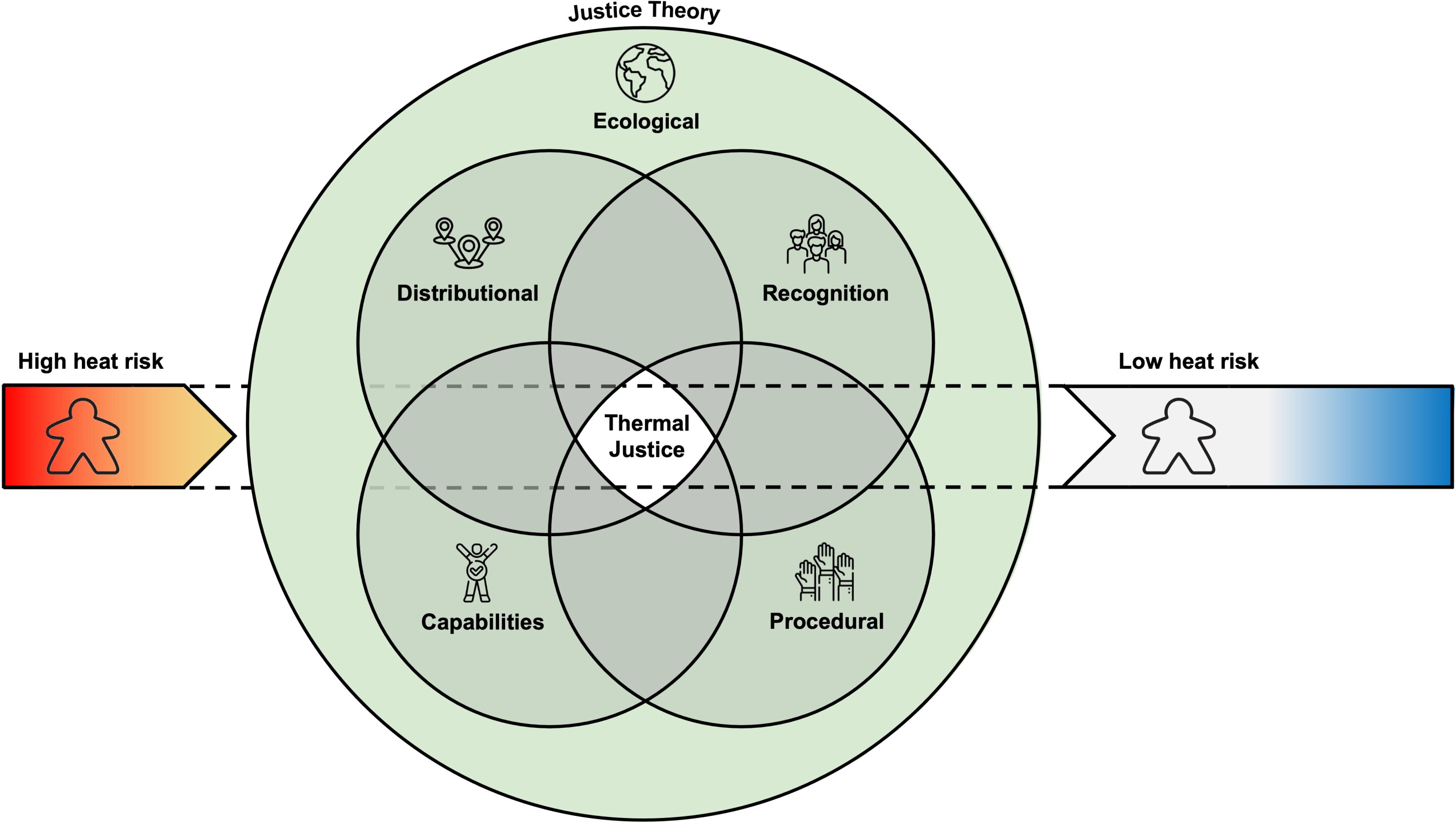
Researchers from ETH Zurich, the Swiss Federal Institute of Aquatic Science and Technology (Eawag) and associated international institutions address this issue in a commentary published in Nature Climate Change. They define "Thermal Justice" as an application of Environmental Justice to heat. "The question is not only whether a measure reduces temperatures, but whether people can actually sleep, work, move, care for others and stay healthy during heat," says Lucas Gobatti, principal researcher and environmental engineering specialist.
The framework draws attention to thermal displacement: cooling one person or place can transfer heat-related risks to other locations. Air conditioning protects people in enclosed spaces but releases residual heat outdoors, increases electricity demand and excludes those who cannot afford it. Urban greenery can provide shade while raising rents and displacing residents to hotter neighbourhoods.
A thermally just response to heat must therefore combine emergency protection with structural change. During heat waves, cities should prioritise exposed and isolated residents, accessible public cooling spaces, worker protection, shaded routes to essential services and affordable cooling in enclosed spaces. Between heat waves, they should rehabilitate poorly protected housing, expand durable green and blue infrastructure, adapt vegetation to water availability and prevent cooling investments from displacing the people they were intended to protect.
The ideas behind this research have also been translated into a collaborative board game, "Thermal Justice: a serious game", which explores how cities can respond to extreme heat in a way that is not only effective but fair. In this interactive simulation, players work together to protect citizens from heat stress while managing limited resources of energy, water, space and finance. The game will be presented at a workshop at the Scientifica science festival in Zurich, Switzerland.