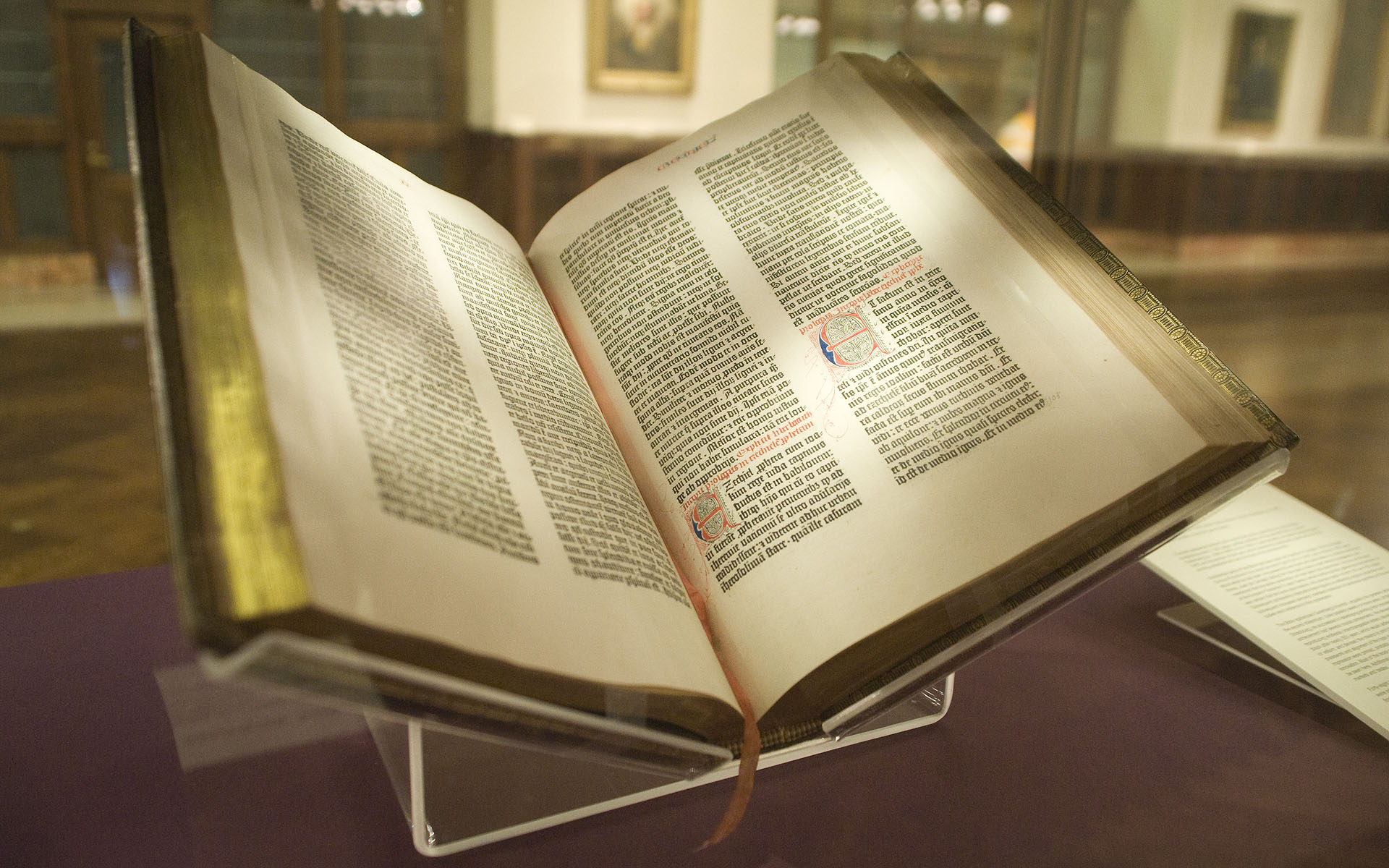
Many of the figures who fill the pages of the Bible were the founders of the history that preceded the West. These "good guys", as they are described, are also the roots of Western social identity, for better or worse, explains Gonzalo Garcés, writer and journalist and author of "Biblical Narratives" (Paidós).
Although they were problematic cases, people with personal difficulties, dysfunctional families or worse, these characters explain many traits of contemporary personality. Garcés points out that their personal limitations were the spark behind several of today's neuroses, a central finding in his meticulous research into the ideas, stories and characters that inspired what is now known as the West.
The Bible contains literary texts of all known genres: horror, detective plots, science fiction, chronicles, epics, tragedies, comedies and love poems, which touch the human spirit across all times. While other contemporary cultures during the Bronze Age produced myths and cosmologies about their origins, biblical authors wrote texts spanning from 2000 B.C. to 100 A.D., when the Gospels and the Acts of the Apostles were written.
God is not the protagonist of the Bible, but a collective of ordinary people in search of their destiny. On its pages unfold famines, plagues, droughts, betrayals, adultery and sacrifices. According to Garcés, there is in this construction "divine inspiration", but also "the literary, psychological and even neurological dimension; they are not opposing readings".
The characters portrayed include Moses, described as hot-tempered; Jacob, as a swindler; Peter, as a coward; Abraham, as an adventurer; Solomon, as a crafty politician; Cain, as a criminal, and David, as a womaniser. Despite their flaws and histories of betrayal and conflict, these cultural archetypes remain worthy of close observation and offer lessons that still have much to teach Western society.