An article published in the journal Science presents a proposal to broaden access to the process of discovering molecular tools that can benefit society, including medicines, materials and a wide range of everyday consumer products. In parallel, the Molecule Maker Lab (MML) at the Beckman Institute of the University of Illinois Urbana-Champaign has established a global Task Force tasked with prospectively developing safeguarding measures to minimise risks and maximise the benefits of democratising molecular innovation.
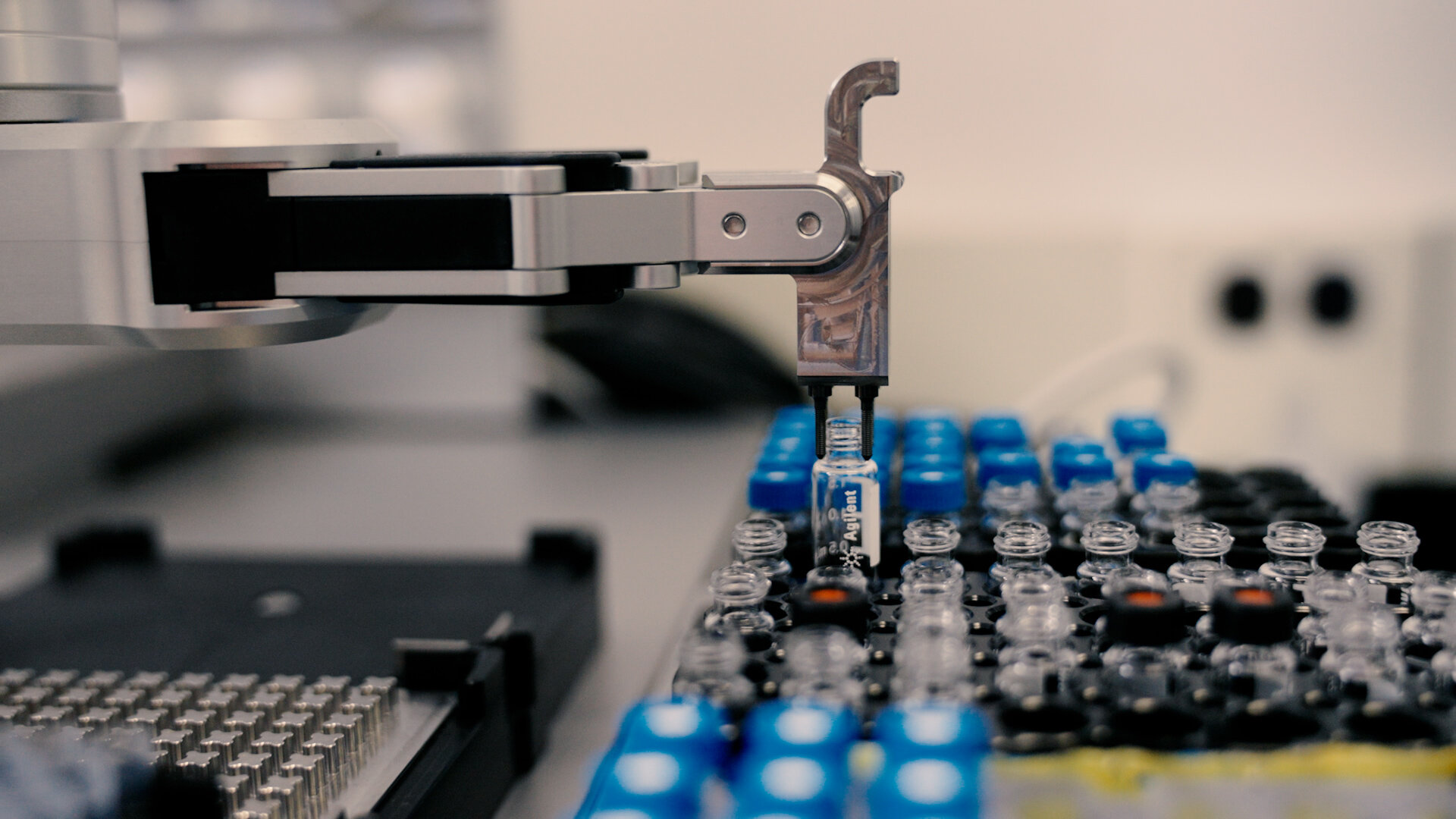
In the article titled "Bonding Carbons Iteratively", author Martin D. Burke, the May and Ving Lee Professor for Chemical Innovation at the University of Illinois Urbana-Champaign and founding director of the MML, describes a modular approach to synthesising molecules called "block chemistry". This method builds small molecules through the iterative assembly of prefabricated building blocks. Unlike traditional chemical synthesis, which for nearly two centuries has relied on highly specialised and largely inaccessible human expertise, block chemistry allows carbon-carbon bonds, the fundamental connections in almost all organic molecules, to be assembled iteratively and automatically.
This feature opens the door to robotic synthesis, artificial intelligence-guided molecular discovery and participation of non-specialists, including students and citizen scientists. "Block chemistry enables the automation of organic synthesis, the rapid generation of modular datasets to train artificial intelligence models and expanded access to molecular innovation," Burke said. Early demonstrations of the approach have already contributed to artificial intelligence-guided discovery of superior class organic laser emitters, durable materials for organic solar cells and other functional molecules.
Burke also emphasised that expanded accessibility must be accompanied by shared responsibility. As he notes in the article, "it is important to establish safeguarding measures and best practices to ensure that the discovery of small molecules is leveraged safely and responsibly", citing biosafety models such as the International Biosecurity and Biosafety Initiative for Science as a starting point for what could be governance of democratised molecular innovation, including centralised monitoring of automated synthesis, algorithmic identification of potentially hazardous compounds and independent audit of governance practices.
To turn this call into action, the MML is forming an international Task Force of global thought leaders spanning chemistry, artificial intelligence, medicine, industry, scientific education, students and community members, to prospectively design safeguarding measures that can guide and govern this technology as it scales. "We wanted to be very far ahead on this," Burke said. "Democratised molecular innovation is coming, and the world needs to prepare. The calibre of people who are already volunteering to join this Task Force demonstrates how seriously the field is taking this responsibility." The Task Force is expected to hold its first discussions this month, with a consensus report anticipated for early 2027.