ADMIE, the operator of Greece's electricity grid, submitted an investment request to the competent regulatory authorities in Cyprus and Israel, marking a new step forward in the Great Sea Interconnector (GSI) project. The request was submitted in accordance with the European regulatory framework, specifically the TEN-E Regulation.
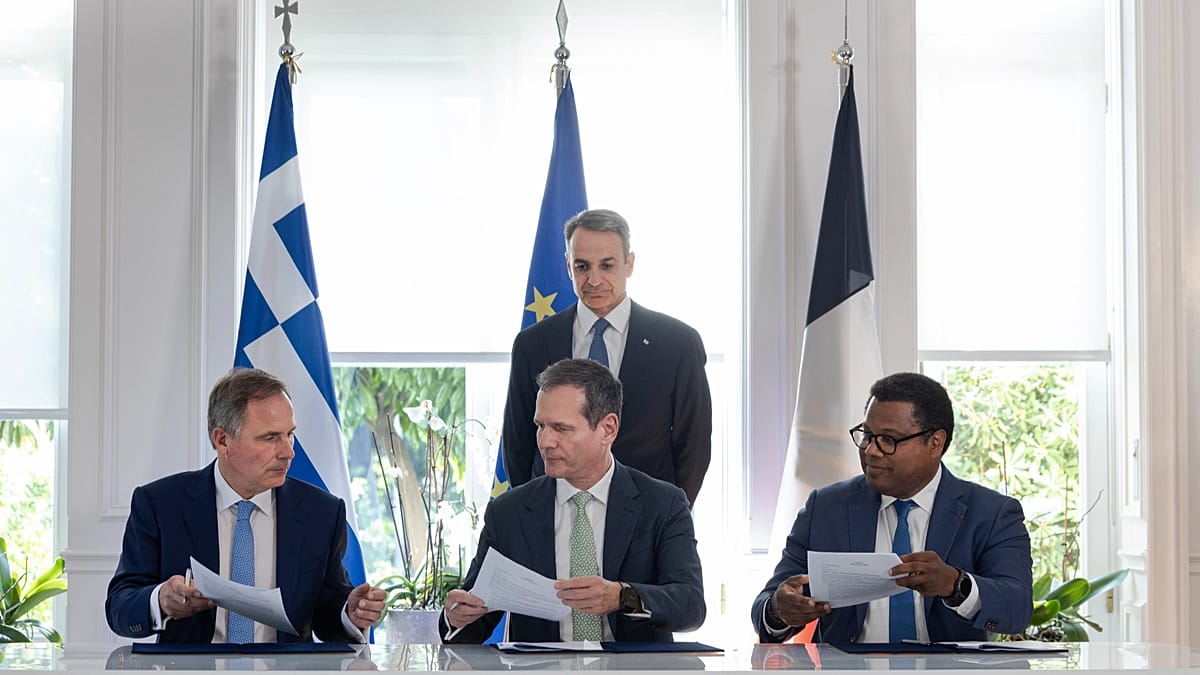
ADMIE took on the role of entity responsible for executing the project following a series of moves that strengthened its political and financial viability. A week before submitting the request, French company Meridiam became the majority shareholder of Great Sea Interconnector through an agreement signed at the Megaro Maximus Palace. In parallel, the Energy Ministers of Greece and Israel held a telephone conversation to advance the interconnection between Cyprus and Israel.
The investment request constitutes the next phase following the completion of cost-benefit studies conducted in coordination with competent authorities and stakeholders in the energy sector of both countries, including the Energy Ministries, Cyprus's transmission system operator and Israeli operator NOGA. According to ADMIE, these analyses demonstrated that the project remains economically viable in all scenarios studied.
The studies highlighted the project's contribution to strengthening supply security, increasing the participation of renewable energy in the energy mix and more closely integrating the electricity markets of the Eastern Mediterranean with the European transmission system. The infrastructure would allow bidirectional electricity flow through a high-voltage direct current cable at 500 kilovolts.
The submarine section will extend approximately 324 kilometres between Cyprus and Israel at depths of 2,200 to 2,400 metres. Conversion stations would be built in Kofinou, in Cyprus, and in the Hadera area, in Israel. Once both countries reach an agreement on cost allocation, the final investment decision will be adopted, which will activate the financing procedures for the interconnection.