Lee Gettler, an anthropologist at the University of Notre Dame, is usually busy caring for his two young children. Among mammals, this makes him extraordinary. "Human fathers engage in really costly forms of childcare," Gettler notes, whose research examines variations in the paternal role across cultures.
Rebecca Sear, an evolutionary demographer at the London School of Hygiene and Tropical Medicine, observes that in most mammal species "fathers tend to do nothing more than provide sperm". Mothers assume most of the childcare in most animals, although fish and birds present notable exceptions. Even among other apes, humans' closest relatives, most fathers contribute little to offspring care.
Human ancestors adopted a different strategy, according to Gettler. Mothers received help from their community and relatives, including fathers, which allowed them to have more children with less time between them. In current non-industrialised societies, the average interval is approximately three years. This strategy "is part of the story of humans' evolutionary success," Gettler notes.
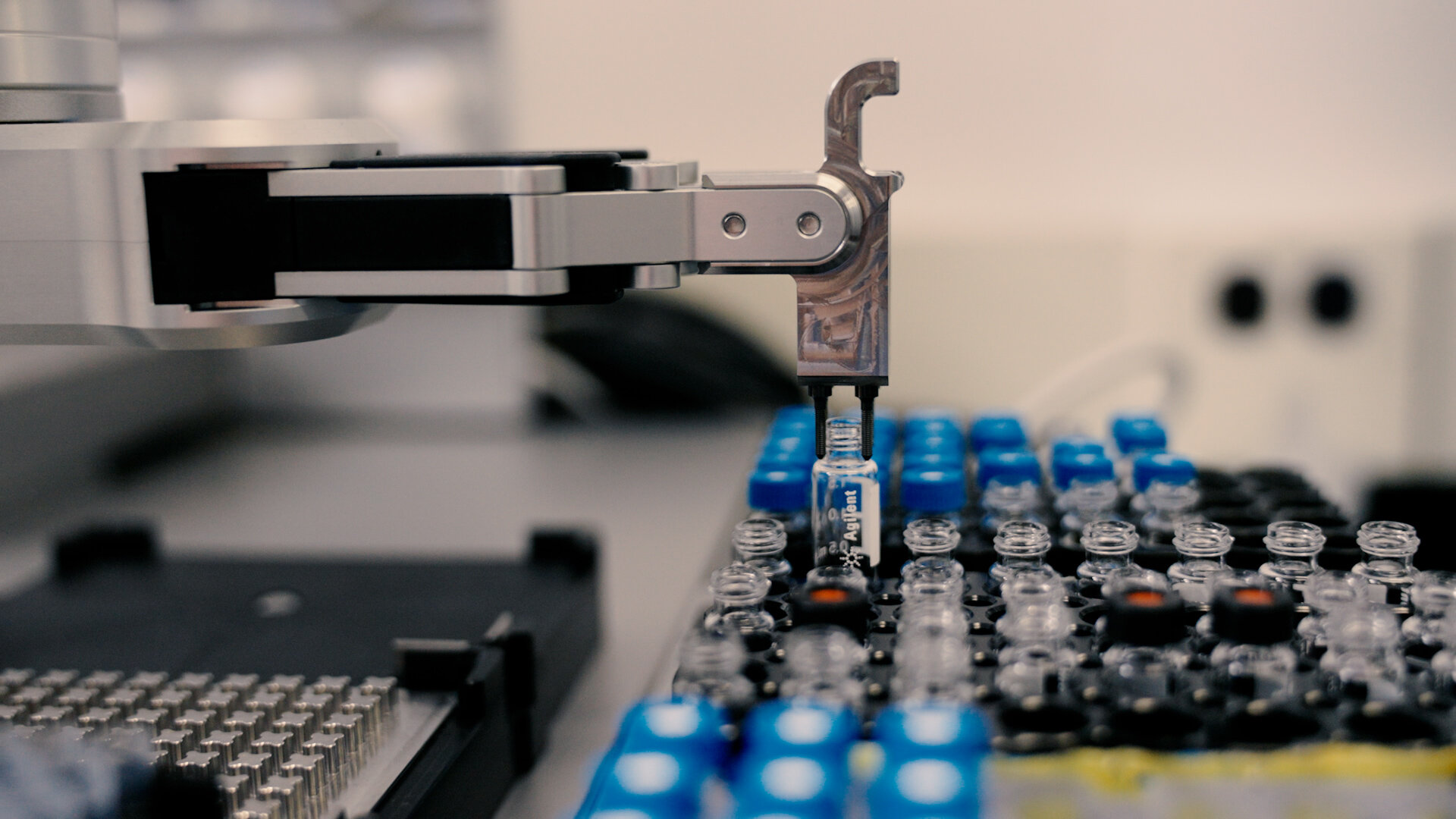
A long-term study of men in the Philippines showed significant hormonal changes associated with paternity. Researchers took testosterone samples from more than 450 men in 2005 and again in 2009. Men with newborn babies experienced much greater drops in testosterone than the decline expected from ageing. As their children grew, testosterone levels returned to expected values.
Testosterone is linked to mating and competitive behaviour in male mammals. Researchers suggest that its suppression could be the way nature prepares fathers to cooperate and care for their children. Although affectionate fathers are uncommon among mammals, they also appear in many birds, where fathers experience similar reductions in testosterone. Understanding these physiological mechanisms could reveal how paternity evolved in humans.