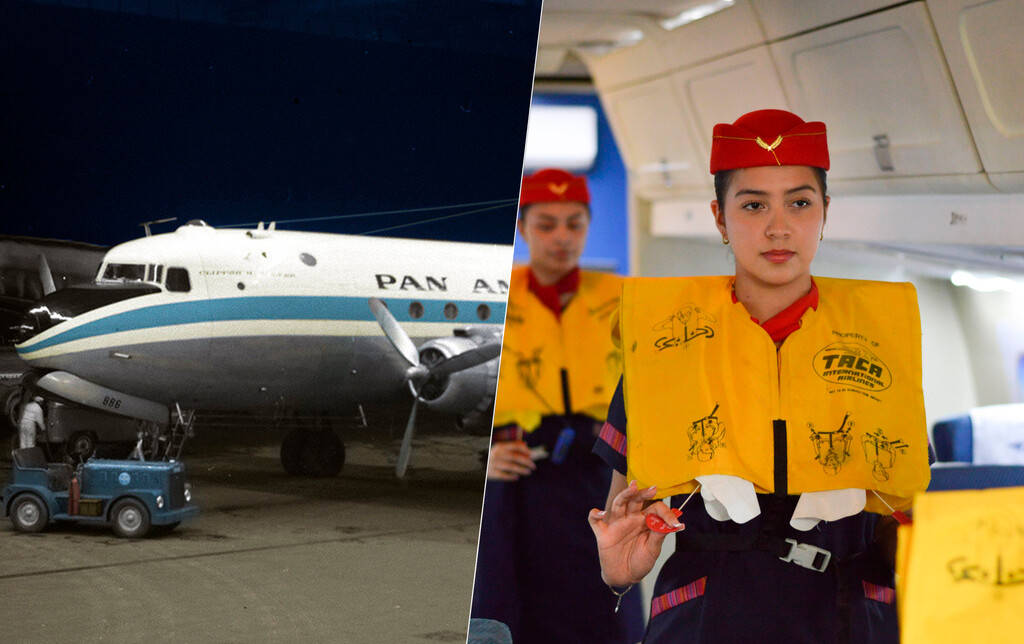
An autonomous underwater vehicle detected the remains of the Clipper Endeavor, a Douglas DC-4 operated by Pan American World Airways, on 2 June. The aircraft sank on 11 April 1952 off the coast of Puerto Rico. The wreckage rested at approximately 600 metres depth. The search involved the Air/Sea Heritage Foundation, Deep Sea Vision and the Expedition Unknown programme, which used sonar to locate two large sections of the fuselage and identified the aircraft through visible features including its distinctive winged emblem.
The DC-4 departed San Juan bound for New York with 69 people on board when engine number 3 failed nine minutes after takeoff. During the attempt to return to the airport, engine number 4 began to malfunction and the aircraft ditched in waters with waves between 3 and 4.6 metres high. Although all 69 occupants initially survived the impact, the aircraft sank in less than three minutes. Only five crew members and 12 passengers were rescued; 52 passengers died.
The Civil Aeronautics Board determined that engine number 3 had presented problems the day before during a check in which metal particles were found, and should have been replaced. The board also identified serious deficiencies in evacuation: passengers had not received instructions on the location or use of life jackets before ditching, and the rafts were in a compartment that was difficult to access during the emergency.
The investigating board cited this accident and similar ones when proposing changes to procedures for water emergencies, including verbal instructions to passengers, demonstrations of life jacket use, improved access to rafts and clearly defined roles for crew. According to investigators, the logic of teaching the use of safety equipment, not merely having it available, became part of the standard procedures known today.
Locating the wreck required documentary reconstruction of the case and a map prepared by United States Air Force pilots who witnessed the accident, which made it possible to narrow the search area before the autonomous underwater vehicle scanned the seabed with sonar and finally located the remains after 74 years.