A month and a half after the double earthquake, as repair needs persist in educational buildings, Venezuelan teachers' unions continue to insist on negotiating an increase in the official minimum wage before the beginning of the new 2026-2027 school year. José Gregorio Afonso, president of the Association of Professors of the Central University of Venezuela, argued that wage negotiations constitute a democratization process that requires state transparency.
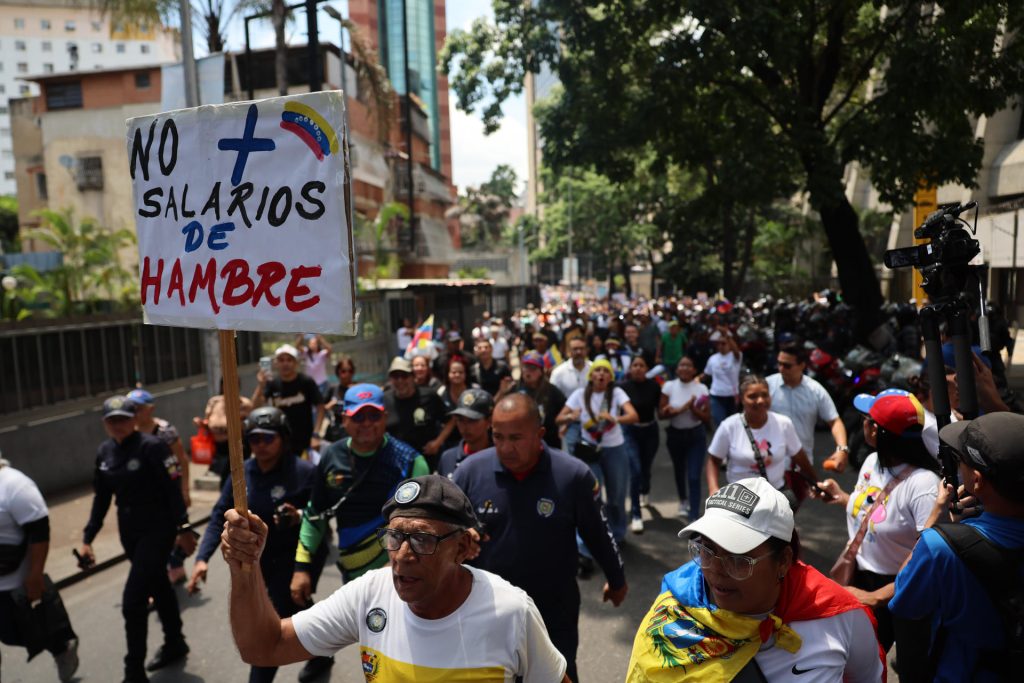
"The problem is not arithmetic, the problem is political," Afonso said, demanding that the government disclose the country's income before sitting down to negotiate. The minimum wage has remained fixed at 130 bolívares for four years, currently equivalent to 0.17 cents of a dollar monthly, an amount insufficient for a public transport trip in Caracas. Public university professors earn less than a dollar a month on their payroll, regardless of their qualifications or dedication.
Although professors receive an additional monthly bonus of 200 dollars through the Patria System, these funds are not counted towards the calculation of profit-sharing or social benefits, nor do they establish differences based on the teacher's experience or credentials. Afonso insisted that the publication of state revenues from oil sales, gold exports and tax collection is an essential condition for negotiations.
Economist Manuel Sutherland argued that raising the minimum wage is not only possible but necessary, and proposed an expedited reform of the Labour Law to retroactively update social benefits. Sutherland warned that accepting minimal increases of one to ten dollars monthly would maintain the bonus scheme that undermines recognition of professional work. An agreement before the school year would also boost purchasing power during the Christmas season, according to analysts.