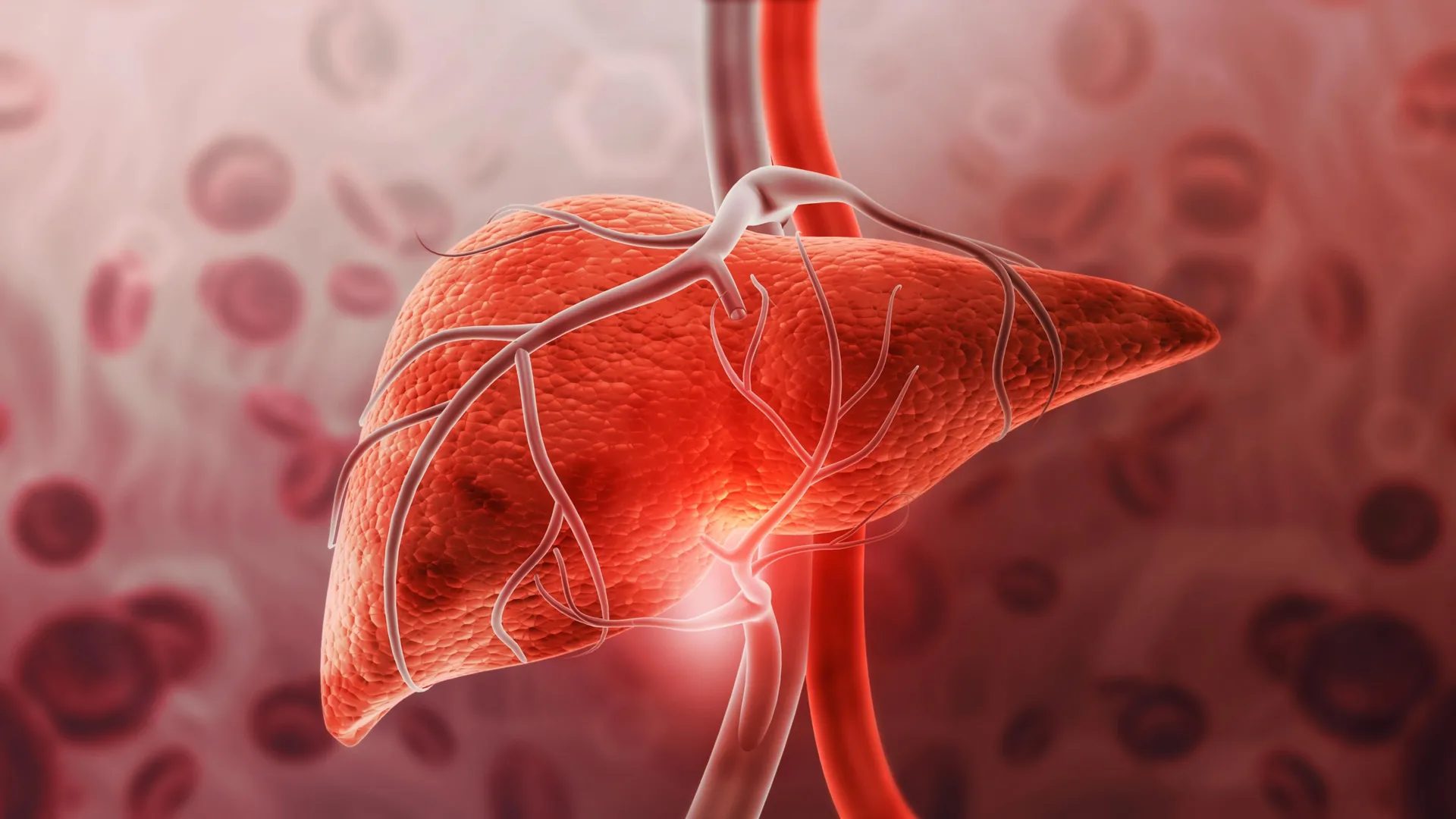
Researchers at McMaster University have discovered an unexpected role for a naturally occurring hormone already known to reduce appetite and promote weight loss. The hormone appears to protect the liver from inflammation through a previously unknown signalling pathway, a finding that could point to new approaches for treating advanced fatty liver disease.
The study, published in Cell Metabolism on 10 August 2026, found that GDF15 can reduce liver inflammation and slow the development of liver scarring even when weight loss does not occur. The result challenges the traditional belief that the hormone's benefits are primarily linked to its effects on appetite and body weight.
Millions of people worldwide are affected by metabolic dysfunction-associated steatohepatitis (MASH), an advanced form of fatty liver disease that can eventually lead to cirrhosis, liver cancer and liver failure. New weight-loss medications have helped improve outcomes for many patients, but inflammation in the liver can persist even after substantial weight loss.
Gregory Steinberg, professor in the Department of Medicine at McMaster University and co-director of the Metabolism, Obesity and Diabetes Research Centre (MODR), noted that "GDF15 does much more than regulate appetite and body weight". According to Steinberg, the researchers discovered that GDF15 activates a natural brain-liver signalling pathway that helps suppress liver inflammation and reduce fibrosis, which changes how the hormone is understood.
To explore how GDF15 affects advanced liver disease, the team used mouse models designed to closely reproduce human MASH. The researchers combined genetic, pharmacological, genomic and spatial transcriptomic techniques to examine what happens when the hormone is activated. They discovered that GDF15 initiates signalling from the brain through the nervous system, ultimately causing the release of glucocorticoids, steroid hormones important for metabolism, immune activity and the body's stress response.
Glucocorticoids help suppress inflammation in the liver. Importantly, the researchers observed these protective effects regardless of changes in food consumption, body weight or liver fat. GDF15 also appeared to slow the progression of liver fibrosis, the accumulation of scar tissue that occurs as liver disease advances.
The study also included collaborators from Novo Nordisk A/S. The research was funded by the Natural Sciences and Engineering Research Council of Canada (NSERC), the Canadian Institutes of Health Research (CIHR) and Diabetes Canada. Novo Nordisk provided research support and supplied the GDF15 hormone used in the study.