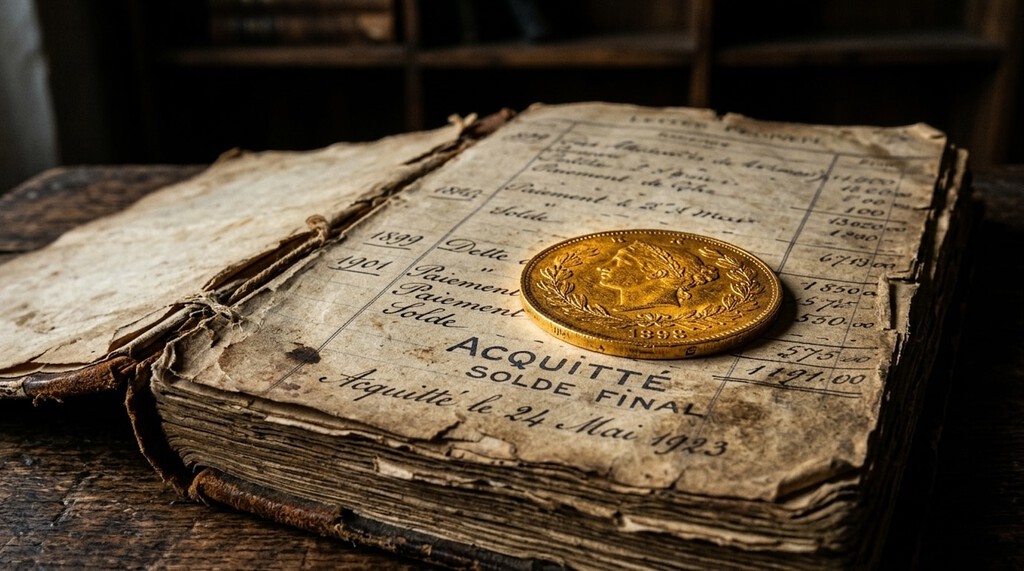
The Treaty of Versailles of 1919 established Germany's responsibility for the damages of the First World War and imposed the payment of reparations. The victors set the figure at 132 billion gold marks of the time, an extraordinary sum for a defeated and economically exhausted country. Economist John Maynard Keynes was one of the most famous critics of the agreement, warning that imposing such a burden on a weakened economy could destabilise not only Germany, but Europe.
During the nineteen-twenties, Berlin attempted to delay and reduce reparations while the Weimar Republic faced a succession of economic and political crises. The Allies accepted restructurings such as the Dawes Plan of 1924 and the Young Plan of 1929, which reduced the obligations and established new financing mechanisms. The Wall Street crash of 1929 and the Great Depression made it practically impossible to maintain the system. The Lausanne Conference of 1932 attempted to settle almost all remaining reparations, and when Hitler came to power in 1933 the mechanism was practically dismantled.
To cope with reparations, Germany had resorted during the nineteen-twenties to international loans linked to the Dawes and Young plans. When reparations ceased to function, those bonds and their interest did not automatically disappear. In 1953, after another world war and with Germany divided, the London Debt Agreement on German Debt reorganised pending obligations and left part of the interest deferred until a hypothetical reunification.
Germany was reunified on 3 October 1990, at which point the old financial obligation was reactivated. A period of twenty years was established to settle the pending interest. On 3 October 2010, exactly twenty years after reunification, Germany made a final disbursement of approximately 69.9 million euros corresponding to interest on those bonds linked to First World War reparations.