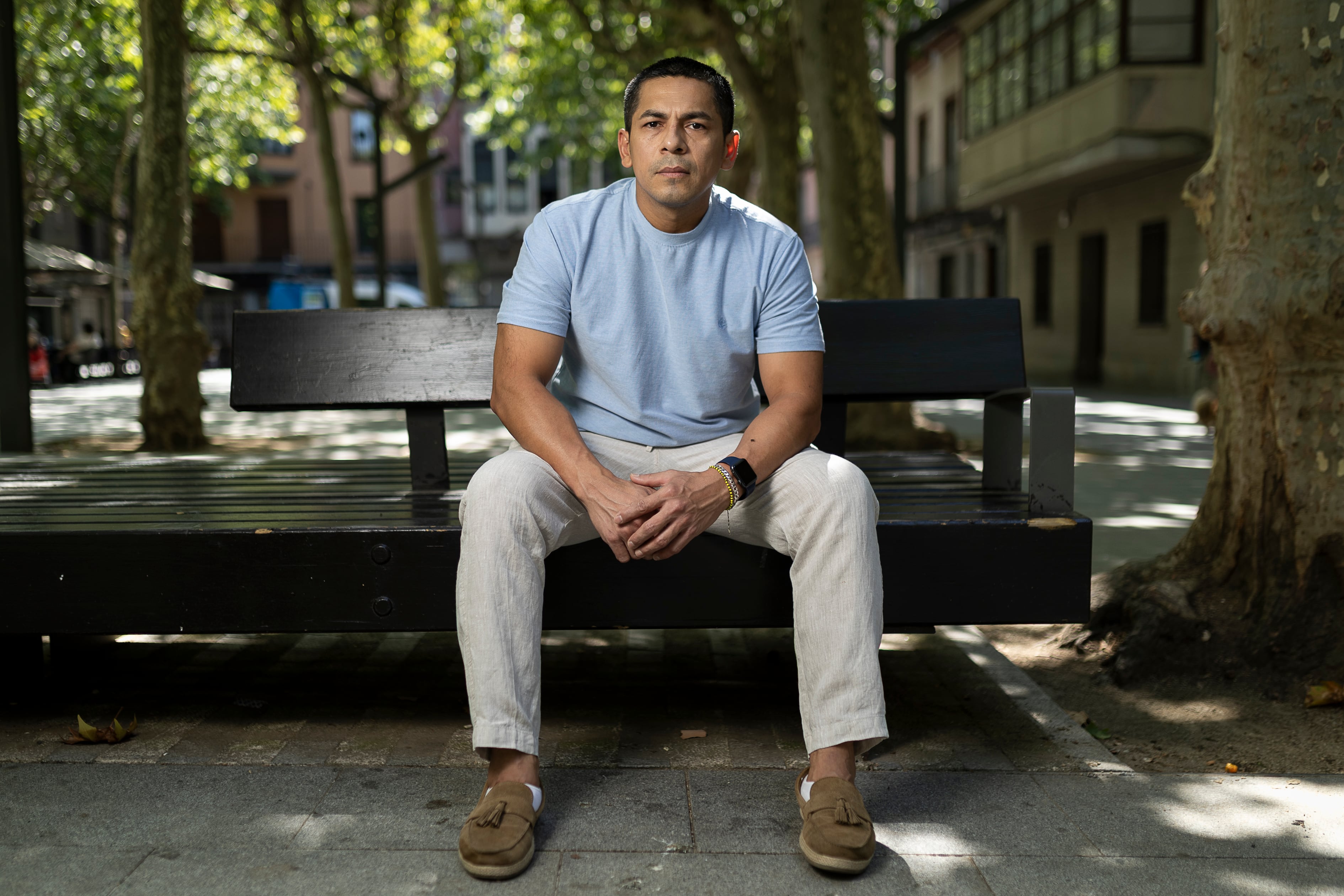
Manuel Carrier, 51, an Ecuadorian emigrant living in Spain for more than 25 years, exhausted his savings on in vitro fertilisation treatment and lost his bakery business. When his salary in Spain proved insufficient to make ends meet, he turned to microcredits. "There was a moment when I couldn't even afford a coffee," he recounts of his experience.
Experts point out that these loans often worsen the economic situation of indebted families due to their high interest rates, which can multiply the original cost many times over. In 2025, 3.8 million microcredits were signed in Spain, 46% more than in 2024, with an average amount of 322 euros, according to data from the Spanish Association of Microcredits. The cost associated with a 300-euro loan to be repaid in 30 days has risen 12.6% from 2018 to 2024.
A study by the Asufin consumer credit barometer shows that one in three Spanish people will take out credit in what remains of the year, mainly due to financial difficulties. 20.1% do so out of need for immediate liquidity and 16.3% to refinance debts, according to the report. Experts attribute this trend to the fact that "wages are limited," forcing families to resort to these financial instruments.
Miguel Ángel Serrano, vice-president of consumer association Facua, warns that companies seek "impulsive consumer behaviour" through fast contracting. Manuel Pardos, president of Adicae, emphasises that these loans "are very small, but very complicated" and that the speed of the sector can lead to "deceiving families that need to pay off debts." Both experts point out that if families took time to carefully analyse these decisions, many would not sign up for these products.
Daniel de Santos, 28, was caught in a similar cycle nearly eight years ago. With a salary of nearly 900 euros, he took out microcredits to survive, but ended up taking out new credits to pay off previous ones. "I'd take out credits to be able to pay back others I had taken out," De Santos recounts, who even ended up using these products to do his shopping.
Carrier and De Santos sought legal help. The second opportunity procedure allows debtors to cancel their debts in full or in part when they cannot repay them, according to Emilio Pintado, the lawyer handling Carrier's case. For a judge to authorise this cancellation, the person must be in "patrimonial insufficiency" and demonstrate being a good faith debtor, specialists point out.
Experts recommend that families read "carefully through the conditions" of the loans before signing and assess their economic capacity. Serrano from Facua also demands that "disciplinary proceedings include forceful fines" against financial companies that breach legislation. Carrier declares himself "very happy" despite "recovery being very difficult," while De Santos says he will finally be able to travel with his partner after seven years devoting almost his entire salary to paying off microcredits.