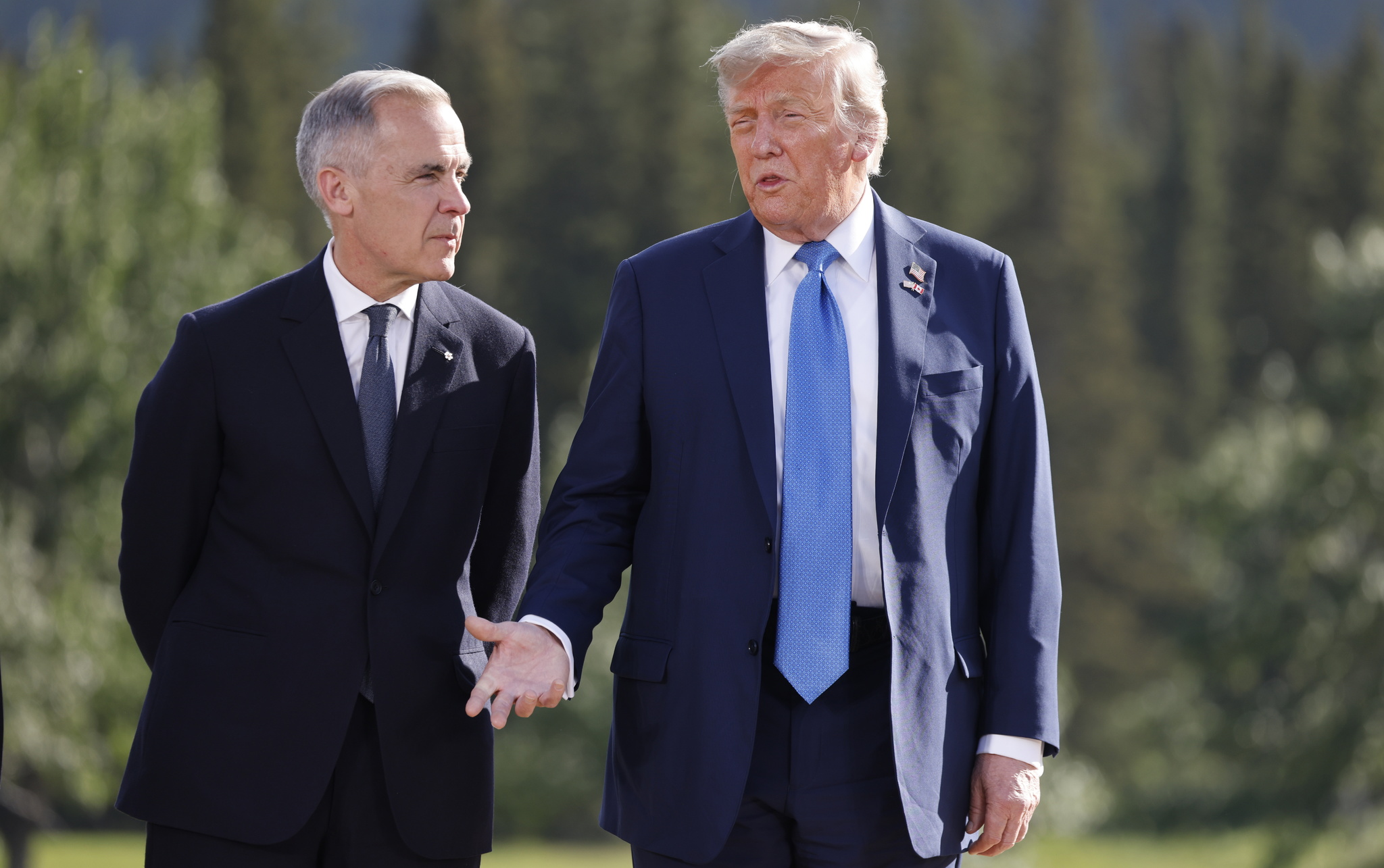
Trade negotiations between the United States and Canada failed on Friday night, clearing the way for 50% tariffs imposed by US President Donald Trump on some 20 billion dollars in Canadian products to take effect. This occurred after Ottawa rejected closing a deal it considered unfavourable.
The US trade representative, Jamieson Greer, blamed Canada for the failure of the talks, asserting that Ottawa refused to close the agreement on the terms that Washington said had been agreed at the beginning of the week. In a statement, Greer said: "Tonight, Canada refused to finalise the trade agreement on the terms agreed to at the beginning of this week".
Greer maintained that the United States had offered Canada "the best possible deal among the major exporters to our market", but stated that new demands raised by Ottawa and the failure to meet other commitments "have upended the carefully established agreement". The talks continued into the late hours of Friday without the two countries reaching an agreement.
Canadian Prime Minister Mark Carney contradicted Washington's position, arguing that Canada had achieved significant progress during the talks, but that changes proposed by the United States at the last moment prevented closing an acceptable agreement. Carney warned that Canada would respond immediately to the US levies and match them "dollar for dollar" to protect its workers and businesses.
According to the US Trade Representative's Office, the new tariffs affect imports from Canada worth some 20 billion dollars and include products such as hockey sticks, some construction materials, alcoholic beverages and certain types of clothing.