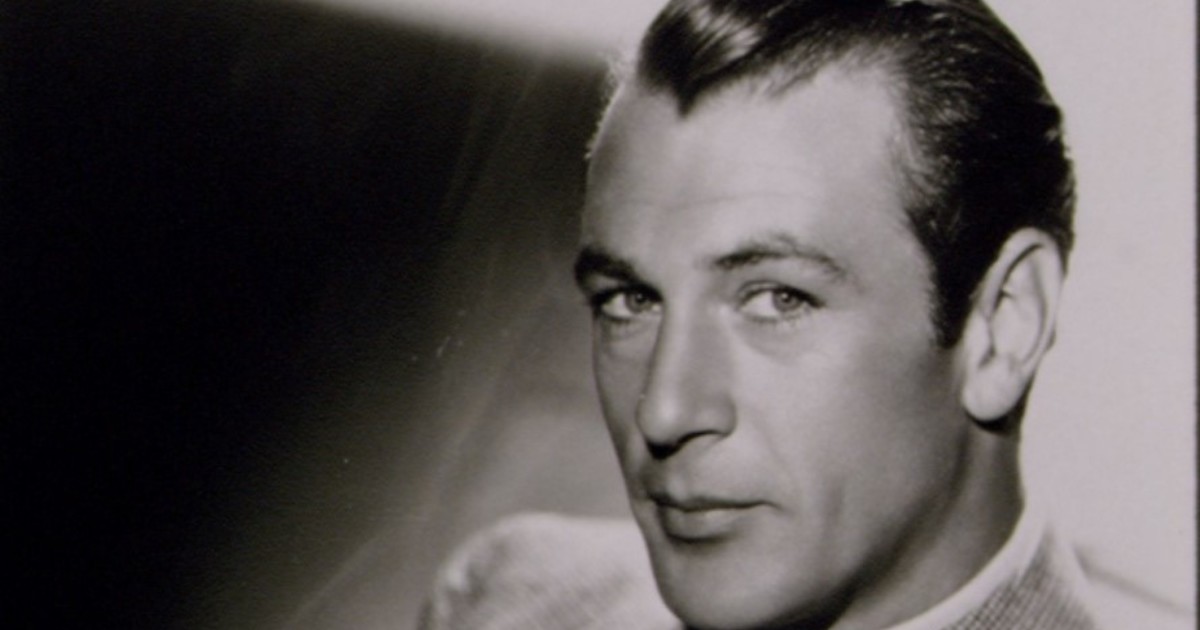
American actor Gary Cooper was considered by many to be the first great cowboy of Hollywood cinema. Before John Wayne and Clint Eastwood, the Montana leading man built a remarkable career and used some codes from the Far West genre to reflect on life and its difficulties. "There is no horse that cannot be ridden; there is no rider that cannot be thrown," he once said.
The phrase linked to the western world and Cooper's figure presents two teachings in a single image. The first is one of courage: there is no horse that cannot be ridden, that is to say, there is no challenge that should be considered impossible before attempting it. The second is one of humility: there is no rider that cannot be thrown, because even the most experienced can fall. The central meaning lies in that balance between both attitudes.
The maxim does not invite the arrogance of those who believe they can do anything, nor the fear of those who dare do nothing. It proposes a more mature attitude: facing challenges with courage, but without forgetting that a fall is always possible. Confidence serves to get on the horse; humility serves to know that one might end up on the ground. A difficult problem, a work stage, a competition, a relationship or a project may seem untameable, but often the first step consists of not exaggerating the size of the obstacle.
Cooper was born in 1901 and died in 1961. His role in High Noon became one of the most emblematic in American cinema, playing a sheriff who faces a threat almost alone. He won two Academy Awards for best actor and was admired for his restrained style, far from exaggeration, which made him a symbol of integrity and dignity. This phrase fits with his public image: a world of horses, risks and challenges where no one is completely safe from falling, and true greatness does not consist of never being thrown, but of knowing how to get back in the saddle.