Malaria parasite mutations spreading in Uganda could undermine Africa's most-used treatment

Researchers have identified new genetic mutations of the malaria parasite in Uganda associated with reduced susceptibility to the most widely used drugs for treating the disease in Africa and the United States.

By El Medio Oriente
August 17, 2026
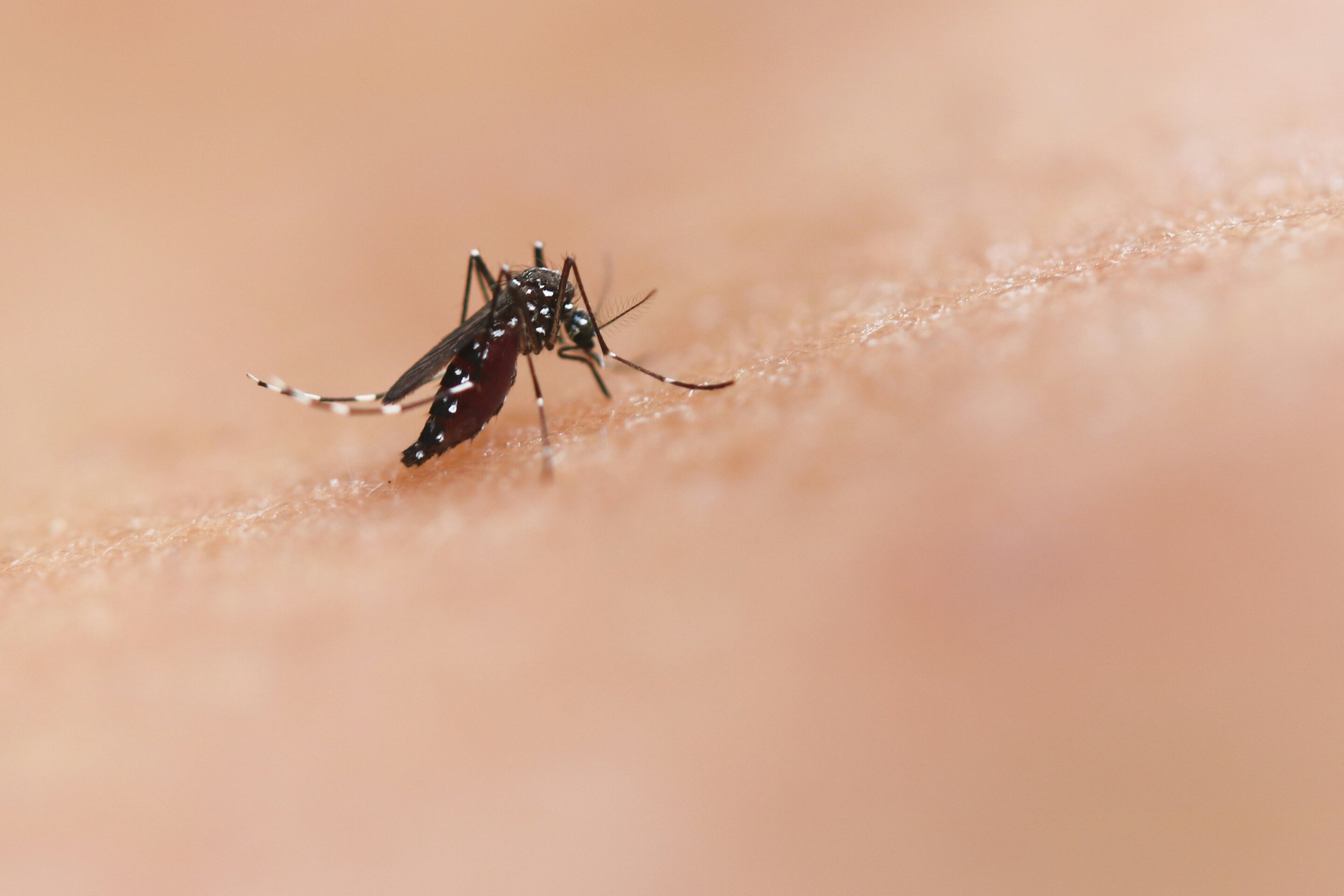
A mosquito with white and black stripes on its wings and dark body on human skin.
An Aedes aegypti mosquito, a known vector of diseases such as dengue and yellow fever, feeds on human skin. In Uganda, researchers have identified new mutations of the malaria parasite that could compromise the effectiveness of treatments most widely used in Africa. (Medical Xpress)
1 min read
Text size

Researchers searching for genetic clues to the growing problem of drug-resistant malaria have identified new mutations associated with reduced susceptibility of the parasite to current treatments. A team of researchers led by scientists from Brown University sequenced the complete genomes of malaria parasites from the blood of hundreds of people infected in Uganda.

The team found that a set of genetic variants in some parasites showed significantly reduced susceptibility to the most commonly used drugs to treat malaria in Africa and the United States.


Malaria parasite mutations in Uganda threaten key treatments | El Medio Oriente