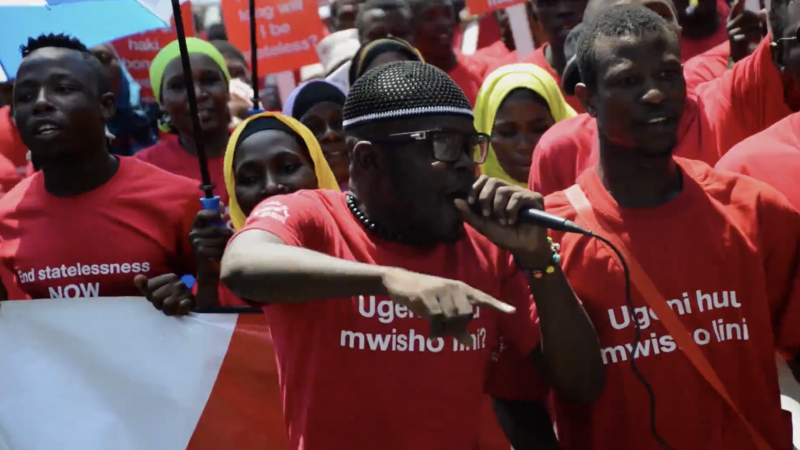
Approximately 6,000 members of the Makonde community became Kenyan citizens in 2016 after decades in legal limbo. The Bantu community migrated from Mozambique to Kenya beginning in 1948, including political exiles, refugees from civil conflicts and workers recruited during the colonial era for agricultural work in coastal provinces.
Without recognized legal identity, members of stateless communities lack access to formal education, health services and basic state rights, and face severe institutional exploitation. According to the United Nations High Commissioner for Refugees, there were 4.4 million stateless persons worldwide at the end of 2024, many completely undocumented and administratively excluded.
Mozambique's Constitution establishes the jus soli principle in its Article 24, granting citizenship to all persons born on national territory after independence. Experts argue that a determined application of this territorial framework would constitute the most effective legal safeguard to eliminate generational statelessness and guarantee immediate state protection to minors born within the territory.
The armed conflict in Cabo Delgado, a northern province of Mozambique, has caused massive loss of identity documents, generating significant risk of de facto statelessness among internally displaced persons. When parents flee without documentation, their children cannot inherit nationality through bloodline, perpetuating cycles of legal invisibility.
Some argue that expanding jus soli could compromise national sovereignty or dilute cultural identity, contending that jus sanguinis—nationality based on parental lineage—protects genuine generational ties. However, experts assert that rigid restrictions based on bloodlines do not stop migration, but rather keep generations of residents in permanent legal margins, fragmenting social cohesion.