The United Nations reported on Wednesday that humanitarian aid workers faced an unprecedented number of attacks last year, attributing some of that violence to the increased use of armed drones. The organisation described the situation as "appalling".
According to the humanitarian worker security database, funded by Canada and Australia, approximately 907 humanitarian aid workers were killed, wounded or abducted in 2025, compared with 833 in the previous year. Of that total, 350 were killed, a slight decrease from the previous record of 387 deaths recorded in 2024.
UN Secretary General António Guterres characterised the level of violence as "appalling" and urged countries to respect the laws of war and hold perpetrators accountable. "Working in service of others has become more dangerous than ever," he said. The statement comes ahead of a ceremony the UN plans to organise for International Humanitarian Day, during which the flag will be lowered in New York and Geneva in honour of those who died.
Tom Fletcher, UN Under-Secretary General for Humanitarian Affairs, noted that the proliferation of low-cost drones with flexible use in conflicts has significantly increased risks. In March, drone attacks struck the city of Goma in eastern Democratic Republic of the Congo, leaving at least three dead, including a French aid worker, whilst supply convoys in Sudan and Ukraine have suffered repeated attacks.
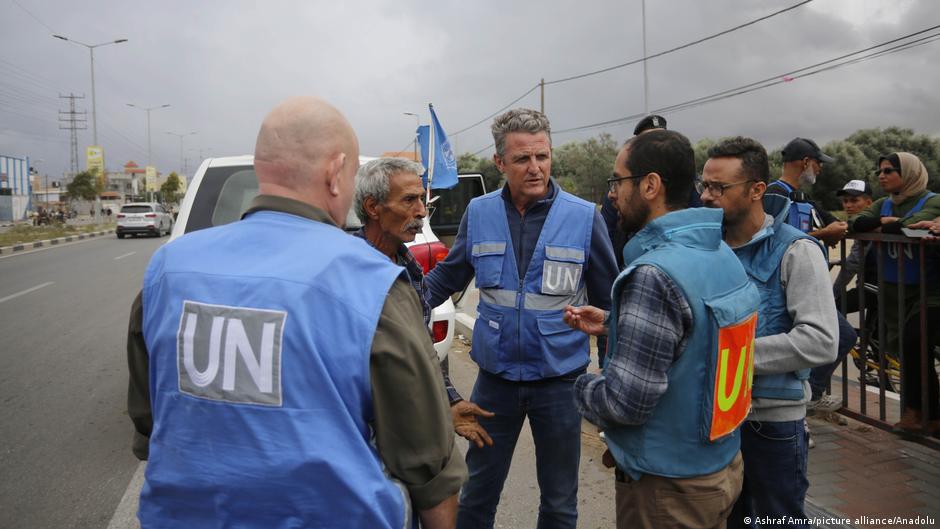
Gaza led by a wide margin the list of most dangerous zones for humanitarian workers during 2025, with 186 aid staff killed. Sudan ranked second. The UN Agency for Palestinian Refugees (UNRWA) reported that at least 393 of its employees have been killed there since the war between Israel and Gaza began on 7 October 2023. Israel, which is fighting the Hamas movement in Gaza, classified as a terrorist organisation by Germany, the European Union, the United States and others, has said it does everything possible to avoid civilian casualties.
Bushra al-Khalidi, head of global humanitarian policy at the organisation Oxfam, called for greater protection for humanitarian aid workers, stating that "we are witnessing an attack on humanitarian work itself".