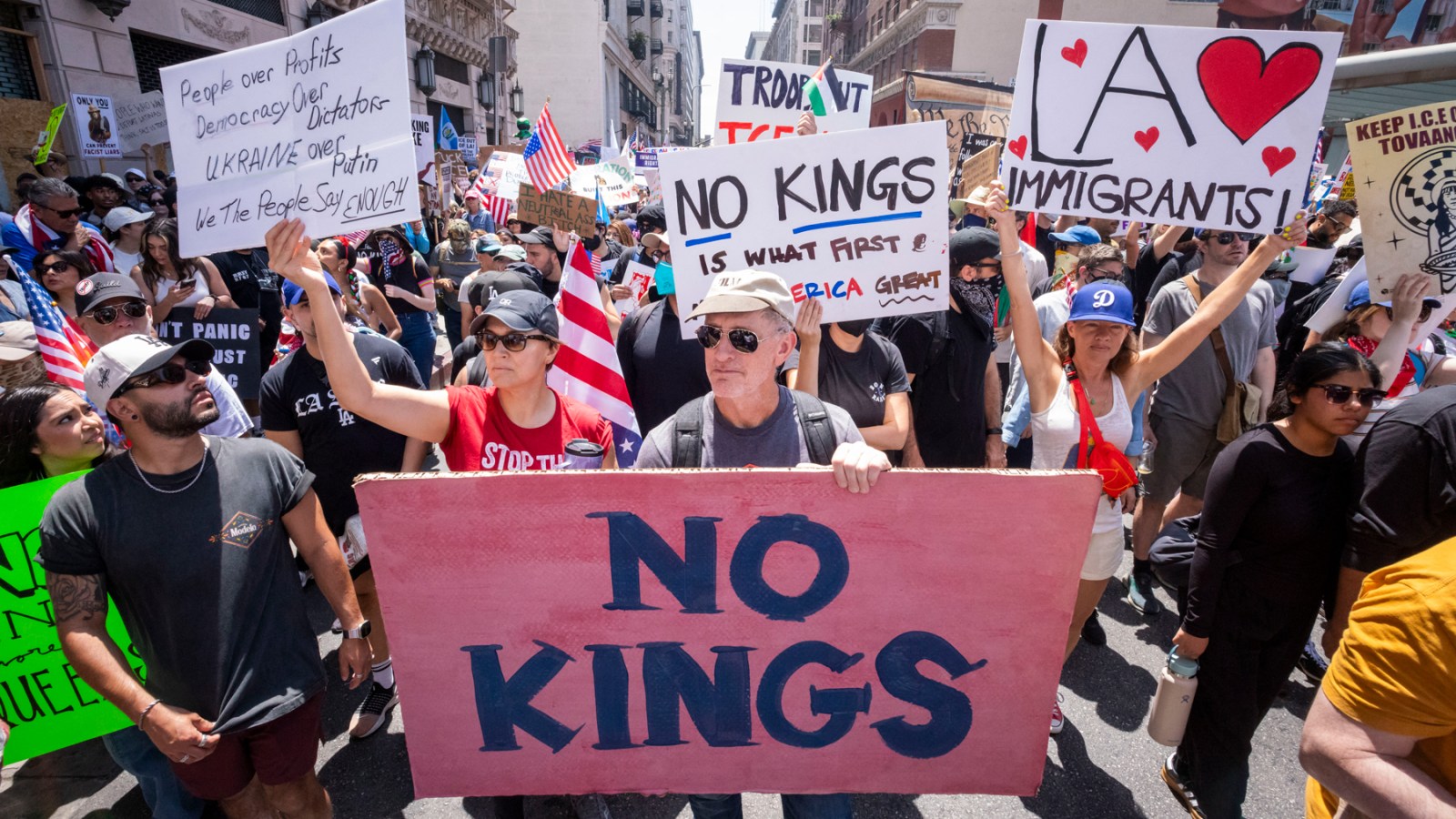
The Trump administration has widened its investigation into protest activity to include mainstream political organizations, labor unions, and nonprofits, according to reporting on the Department of Homeland Security's actions during demonstrations in Minnesota earlier this year. The department used administrative subpoenas to obtain three years of financial data from the Sunrise Movement and the Communication Workers of America, and pulled wire transfer lists for the Service Employees International Union, claiming the investigation concerned "domestic terrorist fundraising."
The government asserted that a broad coalition of nonprofit groups, political organizations, and labor unions had conspired to obstruct federal immigration officers during operations in Minneapolis. The targeted organizations, however, are not typically characterized as fringe political groups. The SEIU and Communication Workers of America are established labor unions, while the Sunrise Movement is known primarily for social media activism and organizing efforts rather than confrontational tactics.
The expansion of prosecutorial pressure follows earlier cases involving more vulnerable activists. A defendant in the Prairieland ICE shooting case was convicted of providing support to terrorists and sentenced to 50 years in prison for attending a protest where a police officer was shot. Other defendants in the case received lengthy sentences for tangential offenses, including moving documents the FBI classified as evidence.
The pattern reflects how government investigations typically proceed, analysts suggest: targeting the most vulnerable individuals first to establish legal precedent before expanding pressure to broader groups. If attendance at a government-deemed "riot" can result in decades-long sentences, prosecutors gain latitude to apply similar charges to a wider array of defendants. Street-level activists arrested in Minneapolis were identified by the government as central figures in the alleged conspiracy, though they bore similarities to more marginalized activists prosecuted earlier.