When the 11,000-tonne cruise ship Le Boréal departed from Nice, France on Thursday 6 August, its 205 passengers and 136 crew members began a voyage whose success would depend not only on careful planning, but also on the vessel's ability to evade clouds at the critical moment. The ship is owned by French cruise line Compagnie du Ponant.
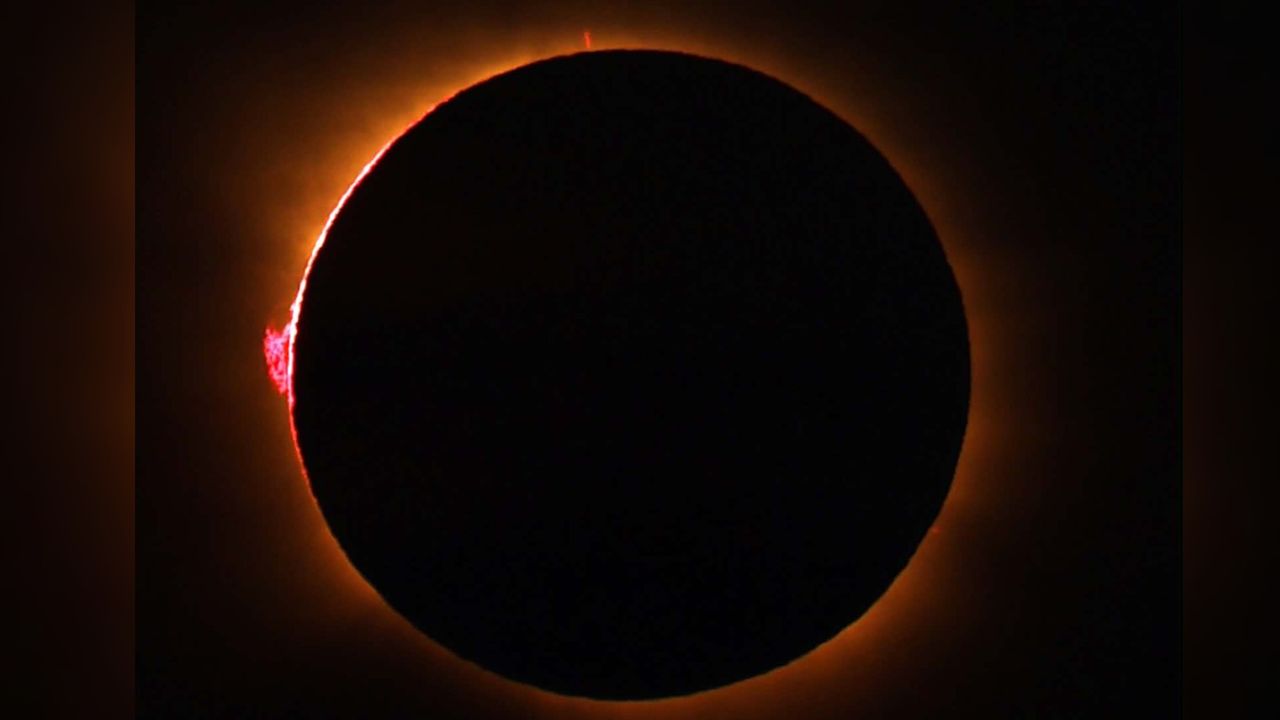
This eclipse cruise was the result of more than a year of planning, and most passengers were travelling specifically to witness the celestial spectacle. The eclipse would be at sunset, with the sun no more than three degrees above the horizon, meaning clouds near the horizon could obscure it at the decisive moment.
The main advantage of using a cruise ship to observe an eclipse is its capacity for two-dimensional movement, allowing it to manoeuvre around potential cloud cover. This meant working with Captain Mathieu Tsingrilaras to position the Le Boréal in a cloud-free location.
On 10 August, a minor disturbance produced widespread clouds, showers with downpours and thunderstorms in eastern Spain, extending to the eclipse zone over the adjacent Balearic Sea. Fortunately, the disturbance moved quickly eastward, allowing high pressure to rebuild over the region.
On 12 August, eclipse day, conditions appeared to have improved. The ship departed from Palma de Mallorca at 4 p.m. central European summer time towards its pre-selected location. Shortly after departing, images from the geostationary weather satellite EUMETSAT, 22,000 miles above Europe, revealed a large convection cloud forming over the Spanish coast. After consulting with Captain Tsingrilaras, it was decided to change course south-westward so that the cloud would move to the right of the sun, improving the odds of observing totality.
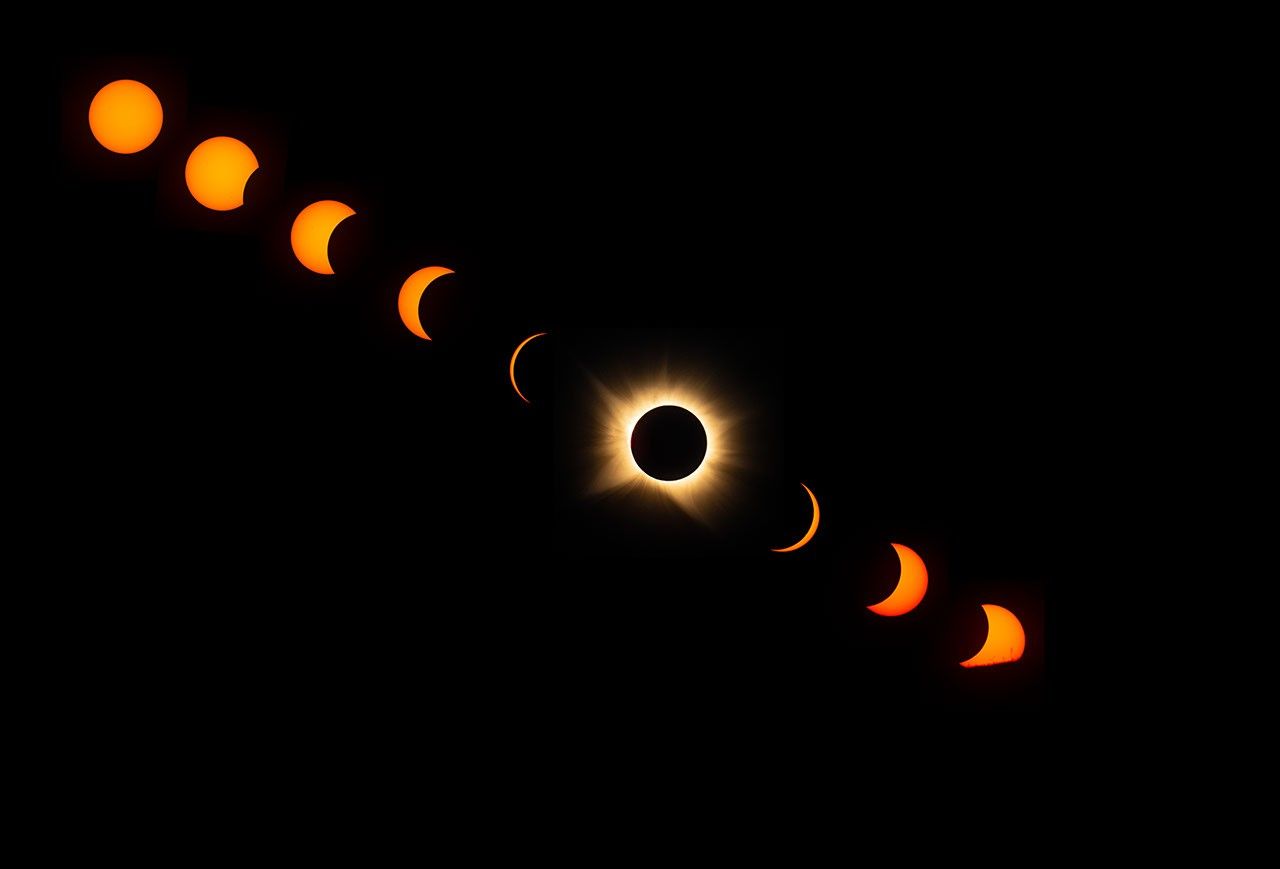
The course change turned out to be the turning point of the voyage. At 19:37 CEST, the moon took its first bite from the lower right limb of the sun. At 20:00, Captain Tsingrilaras oriented the Le Boréal so that the stern of the ship faced directly towards the sun. Crowds gathered on the three upper decks of the ship observing the sun through special eclipse glasses distributed the night before.