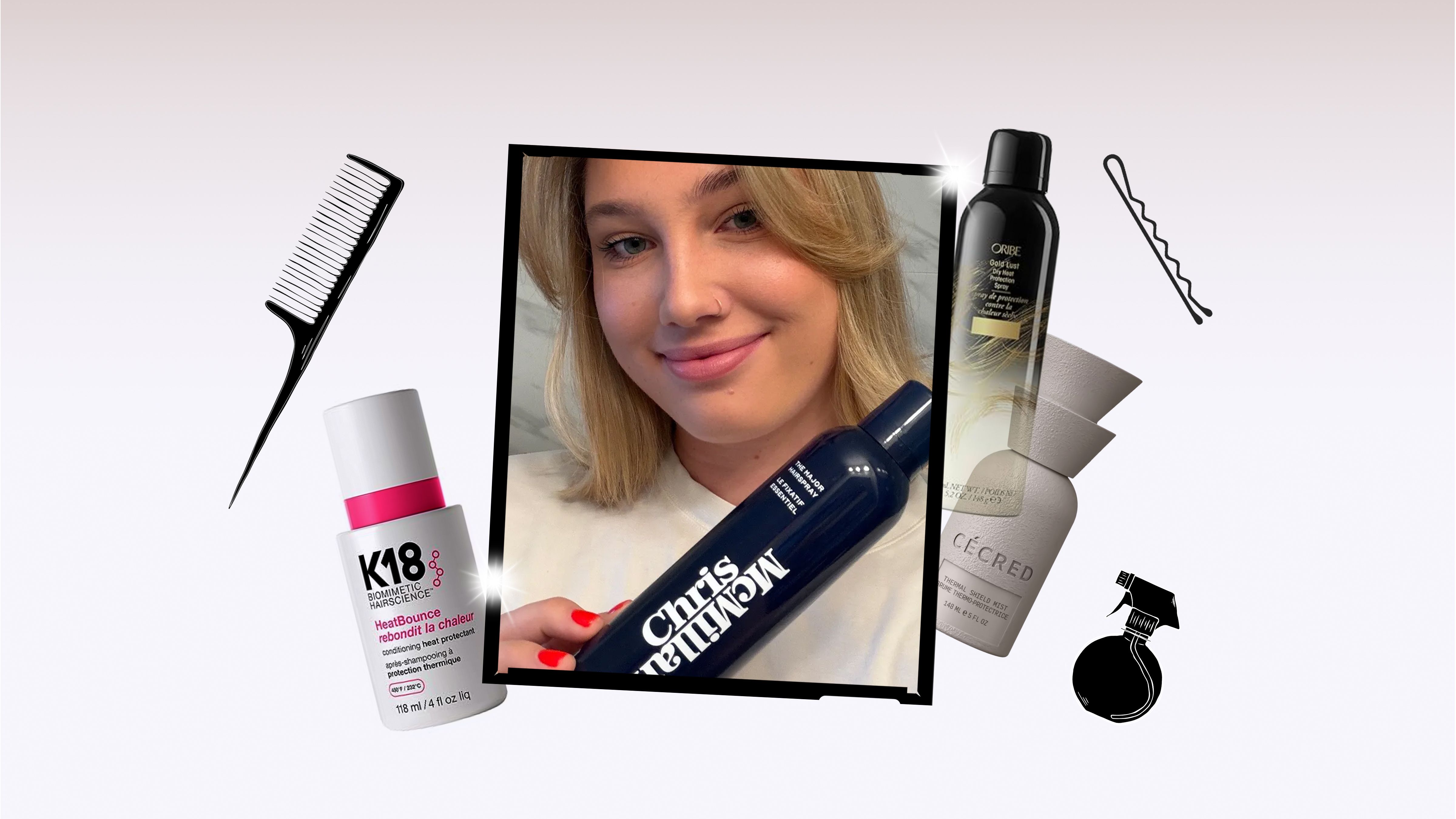
Both Everette and Michael agree that heat protectants are effective and essential. According to Everette, they work by "forming a thin protective barrier over the hair fibre, which helps reduce direct exposure to heat from styling tools such as straighteners, curlers, hot combs or hairdryers". He adds that this barrier distributes heat more evenly to prevent "hot spots" and often contains silicones or proteins that soften the cuticle and reduce frizz.
Michael highlights the risks of not using it, noting that "if you don't use a heat protectant, hot tools can strip moisture, weaken the protein structure of your hair and cause dryness, breakage and dullness over time". Everette recommends starting with clean, damp hair, suggesting "dividing into four to six sections and spraying or distributing the product evenly from mid-length to the ends, avoiding the roots to prevent greasiness". He recommends using a wide-tooth comb for even coverage and allowing the product to dry completely before applying heat to avoid crackling. For touch-ups, he adds, "use a lightweight heat protectant specifically formulated for application on dry hair".
Michael explains it by formula, noting that "for sprays, hold the bottle six to eight inches away and spray evenly over damp or dry hair, making sure to cover from mid-length to the ends without saturating". He notes that "cream or serum versions should be applied sparingly to damp hair—work a small amount between your palms, then distribute evenly with your hands or a wide-tooth comb. Focus on the ends, as they are the oldest and most fragile part of the hair".
Heat protectants come in a variety of textures, from liquid sprays to creams and serums. According to New York-based stylist Cataanda James, with most "you don't wait for it to dry because they are typically formulated and designed to be applied to wet or damp hair just before drying". She notes that products designed to be used on already dry hair tend to dry faster than those designated for application on wet hair. Additionally, those post-drying serums are generally used for straighteners or curlers, while most sprays are better to use before any heat; but for curly hair, they can revert dry hair if they have a water base, so it's better to use a post-drying serum for additional heat protection.
Yes, overusing heat protectant can be counterproductive. According to James, "I'm a fan of light, airy hair, and too much heat protectant can compromise the feel and flow". When applied sparingly to wet or damp hair, "it absorbs more deeply into the fibre and allows the round brush or hairdryer diffuser to glide easily through the strands while the hair dries. But if there's too much, it simply coats the strands, causing buildup and a heavy feel", James explains.