When a grassland degrades, the consequence is not merely an abstract environmental loss. Families lose the herds that fed them, markets have fewer animals to trade, and entire communities watch their livelihoods crumble in real time.
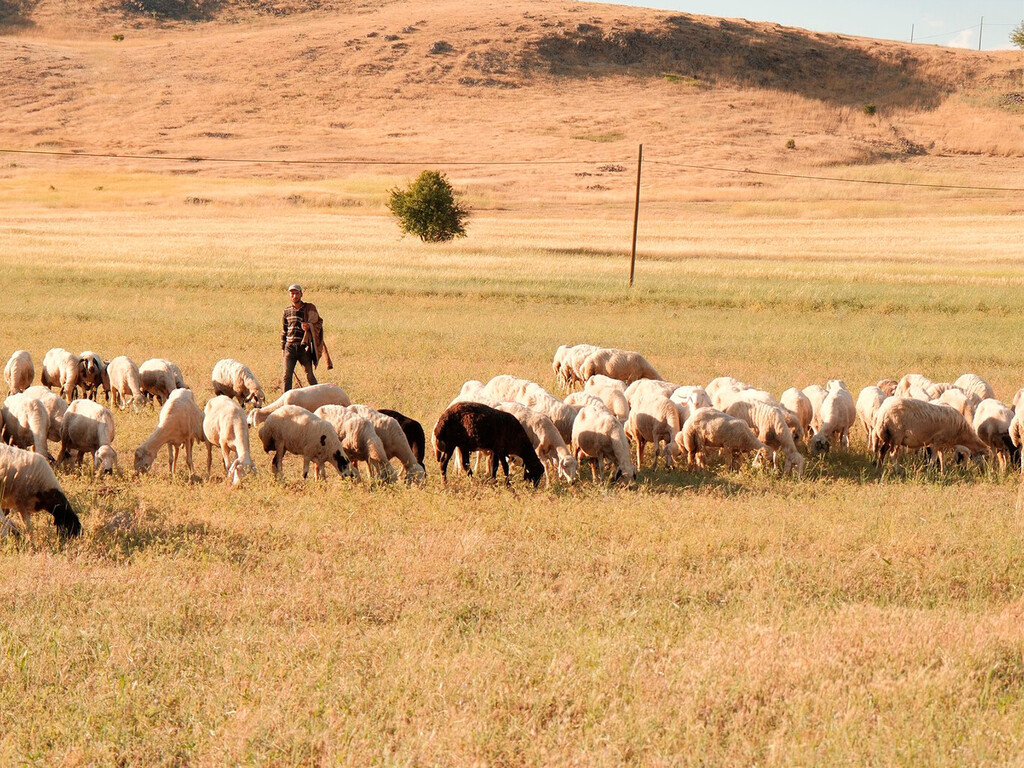
In northern Kenya, shepherds scan the sky for rain that never comes while the grass their animals need shrinks day by day. The situation repeats itself among millions of people in the African savannas and the salt plains of Central Asia who depend on grasslands, ecosystems found on every continent except Antarctica that, despite being ignored by many, form a key component of the global food system.
In a southern African country, a recent national ecosystem assessment revealed discouraging findings: grasslands are shrinking as invasive plants advance and droughts strike with greater intensity and frequency, leaving less time for the land to recover. The assessment also documented that where traditional and community land governance remains solid, grasslands remain in better condition.
In Central Asia, the environmental disaster is more severe. The Aral Sea, once the world's fourth largest lake, has largely disappeared, leaving behind a salt desert of 5.4 million hectares. In the neighbouring region of Kyzylorda, more than 80 per cent of grasslands are now degraded, and toxic dust storms carry salt thousands of kilometres away, poisoning lands and livelihoods beyond its borders.
In Marsabit County in northern Kenya, satellite records since 1990 show how grasslands are gradually turning into barren land. The Chalbi Desert is projected to double in size within decades if no action is taken, swallowing the pastures that generations of pastoral communities have depended on.
In all three affected territories, the response follows a similar pattern: combining solid data with the knowledge of those who live on the land. As documented, restoration works when people see their own knowledge and experience reflected in the solution. Data alone does not save a grassland; trust, ownership and lived experience do.
The challenges facing grasslands will be debated at a United Nations conference on desertification being held in Ulan Bator, Mongolia, from 17 August onwards. The Ecosystem and Biodiversity Services Network is one of the initiatives highlighted by the Nature Promise of the United Nations Development Programme, which focuses on strengthening efforts to protect and restore the planet.